Understanding the Water Damage Assessment Process
Water intrusion can cause structural deterioration and health hazards if not addressed promptly. This article outlines the water damage assessment process for homeowners and business owners, covering common indicators, how professionals detect visible and hidden damage, the main steps of inspection and evaluation, typical tools, cost drivers, and practical actions to prepare for an assessment so remediation can proceed effectively.
A comprehensive assessment examines more than visible symptoms; it seeks root causes to inform an effective restoration strategy.
Identifying Underlying Causes in Damage Restoration
Regrettably, many restoration project approaches concentrate on treating visible symptoms rather than identifying and addressing underlying causes. Identifying root causes improves long‑term outcomes and prevents recurrence.
Developing, designing, and implementing restoration projects, P Skidmore, 2013
What Are the Key Signs of Water Damage in Homes and Businesses?
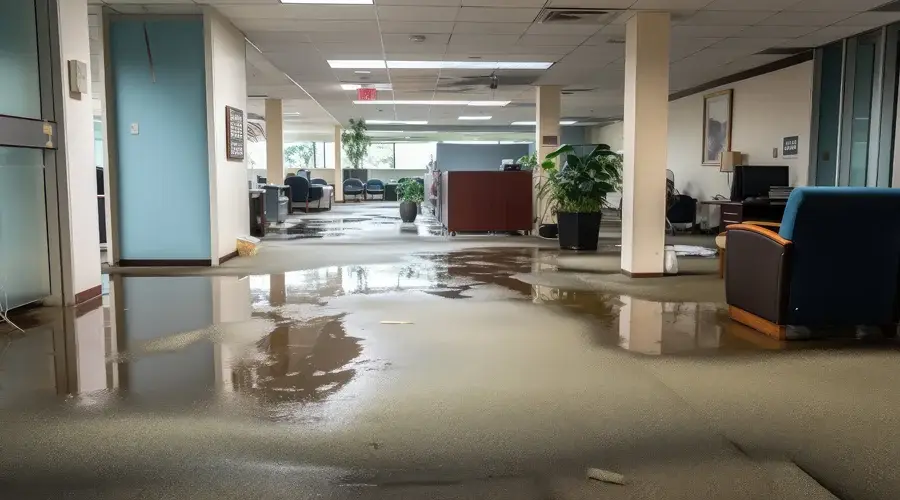
Early identification of water damage allows for timely intervention. Common indicators include visible staining, mold growth, and unusual increases in humidity.
- Visible Water Stains : These often appear on ceilings, walls, or floors, indicating leaks or moisture accumulation.
- Mold Growth : The presence of mold is a clear sign of excess moisture, which can pose health risks.
- Increased Humidity : A noticeable rise in humidity levels can suggest hidden leaks or water intrusion.
Detecting these signs at an early stage helps limit further deterioration and reduces repair costs.
How to Identify Visible and Hidden Water Damage Signs
A thorough assessment considers both visible and concealed evidence. Inspect for surface discoloration and structural softening, and monitor utility usage for anomalies that indicate hidden leaks.
- Stains on Walls : Discoloration or peeling paint can signal water intrusion.
- Increased Water Bills : A sudden spike in your water bill may indicate a hidden leak.
- Soft Areas in Walls : Areas that feel soft or spongy may be a sign of water damage behind the surface.
Vigilance for these indicators enables property owners to initiate remediation before damage escalates.
What Are the Essential Steps in a Water Damage Inspection and Evaluation?
Professional inspections follow a set sequence: visual review, water removal when needed, and a restoration plan based on findings.
- Initial Assessment : A visual inspection to identify visible signs of water damage.
- Water Extraction : Removing standing water to prevent further damage and mold growth.
- Restoration Plan Development : Creating a plan for repairs and restoration based on the assessment findings.
Adhering to these steps ensures that all affected areas are identified and addressed in a coordinated manner.
Step-by-Step Water Damage Assessment Process Explained
Assessments proceed with rapid response, targeted moisture detection using specialised equipment, and a final inspection to verify remedial work.
- Rapid Response : Quick action is crucial to minimize damage.
- Moisture Detection : Using specialized tools to identify hidden moisture levels.
- Final Inspection : Conducting a thorough review to ensure all areas have been addressed.
This structured methodology yields a reliable appraisal of damage extent and informs appropriate remediation measures.
Which Tools and Technologies Are Used for Accurate Water Damage Evaluation?
Specialists use moisture meters, thermal imaging, and dehumidifiers to find concealed moisture and confirm drying progress.
- Moisture Meters : Essential for detecting moisture levels in walls and floors.
- Thermal Imaging Cameras : Help identify hidden water damage by detecting temperature variations.
- Dehumidifiers : Used to reduce humidity levels during the drying process.
Appropriate use of these tools improves diagnostic accuracy and supports effective remediation.
Advanced technologies such as thermal imaging are especially valuable for locating hidden moisture and pinpointing leak sources.
Thermal Imaging for Automatic Water Leakage Detection
Section III explains the principles of thermal imaging and Section IV outlines a proposed thermal imaging‑based sensor network for detecting water leakage. The technique supports precise localisation of leaks in distribution systems.
A thermal imaging based wireless sensor network for automatic water leakage detection in distribution pipes, 2013
How Much Does It Cost to Assess Water Damage?
Costs depend on the scope and complexity; main drivers are severity, water type, and response time.
- Severity of Damage : More extensive damage typically requires more resources and time.
- Type of Water Involved : Assessments for clean water, gray water, and black water may differ in cost.
- Response Time : Prompt assessments can reduce overall costs by preventing further damage.
Awareness of these factors assists property owners in estimating potential assessment and repair expenses.
How to Prepare for a Water Damage Assessment to Ensure Efficiency
Prepare the property and gather documents to speed the assessment: provide clear access, photos, and any relevant observations for the assessor.
- Document the Damage : Take photos and notes of visible damage to provide to the assessor.
- Secure the Property : Ensure that the area is safe and accessible for the assessment team.
- Communicate Clearly : Provide detailed information about the signs of water damage you have observed.
Proper preparation helps the assessment proceed efficiently and supports accurate reporting.
VIP Restoration Inc. is a specialised restoration firm focusing on water, fire, and mold remediation. Their trained staff perform assessments and remediation to help property owners manage water‑related incidents.
For detailed information about our restoration process , please visit the website.
If you need to contact us , consult the contact page for assistance. The team is available to support your restoration needs.
Frequently Asked Questions
What should I do immediately after discovering water damage?
Ensure safety: isolate electrical power to the affected area and, if it is safe, stop the water source (shut off the main supply). Photograph the damage for insurance, then contact a professional restoration provider to assess the situation and begin remediation. Prompt action limits damage and cost.
How can I prevent water damage in my home?
Preventive maintenance reduces incidents: keep the roof, gutters and downspouts clear; inspect and replace aging plumbing; consider a sump pump for at‑risk basements; install leak detectors where appropriate; and maintain grading so water drains away from the foundation.
What are the health risks associated with water damage?
Water damage can foster mold growth, which may cause respiratory problems and allergic reactions. Standing water can contain bacteria and pathogens that increase infection risk, and prolonged exposure to compromised materials can create structural hazards. Timely remediation reduces these health risks.
How long does the water damage assessment process typically take?
Duration depends on damage extent and property size; a comprehensive inspection typically takes one to several hours. Complexity, the need for specialised equipment, and reporting detail influence the total time.
Can I handle water damage restoration myself?
Minor incidents may be manageable, but significant water damage usually requires professional intervention. Trained restoration teams use specialised equipment to locate hidden moisture, control mold risk, and perform repairs safely.
What types of insurance cover water damage assessments?
Homeowners insurance often covers sudden, accidental water damage such as burst pipes or roof leaks, but policies vary; flood damage and neglect are commonly excluded. Review your policy and consult your insurer about coverage and any flood endorsements.
What are the common misconceptions about water damage assessments?
A common misconception is that assessments are only necessary when damage is visible; hidden moisture can cause long‑term issues. Another is that all water damage is insured—coverage depends on policy terms and cause. Understanding these limits supports better decisions.
Conclusion
A clear understanding of the water damage assessment process protects both property and occupant health. Recognising key indicators, employing appropriate tools, and taking proactive measures enable effective evaluation and remediation. For professional assistance and further details about restoration services, please visit the website.