Best Practices for Effective Water Damage Restoration
Water intrusion causes structural deterioration, higher remediation costs, and health hazards. Adopting established water damage restoration practices reduces loss and expedites return to safe occupancy. This article outlines priorities for emergency response, mold prevention, and homeowner cleanup. These practices support effective incident management and reduce the chance of subsequent damage.
What Are the Critical Steps in Emergency Water Damage Restoration?
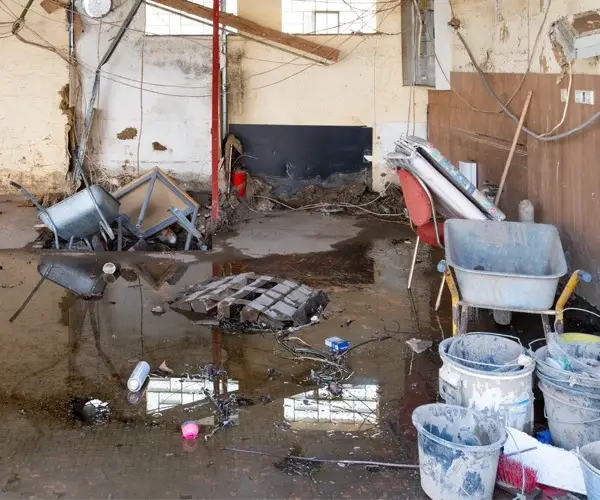
Emergency water damage restoration requires timely, sequential actions to limit loss. Initial emergency response and client contact establish scope and priorities while qualified technicians perform a preliminary assessment. A comprehensive inspection documents affected areas and defines remediation activities. Mitigation and structural stabilization arrest further deterioration and prepare the property for the restoration process.
How Does Rapid Water Extraction Minimize Damage?
Rapid water extraction lowers the risk of structural compromise and fungal colonization. Removing standing water quickly limits moisture penetration into building materials, decreases secondary damage, shortens recovery timelines, and preserves property integrity and occupant safety.
What Drying Techniques Ensure Complete Moisture Removal?
Complete moisture removal depends on controlled use of air movers and dehumidifiers plus systematic moisture monitoring. Restoration teams usually conduct daily site visits to measure moisture and adjust equipment until target conditions are met. These procedures restore materials to acceptable moisture content and help prevent mold and mildew growth.
How Can Mold Prevention Be Effectively Implemented After Water Damage?
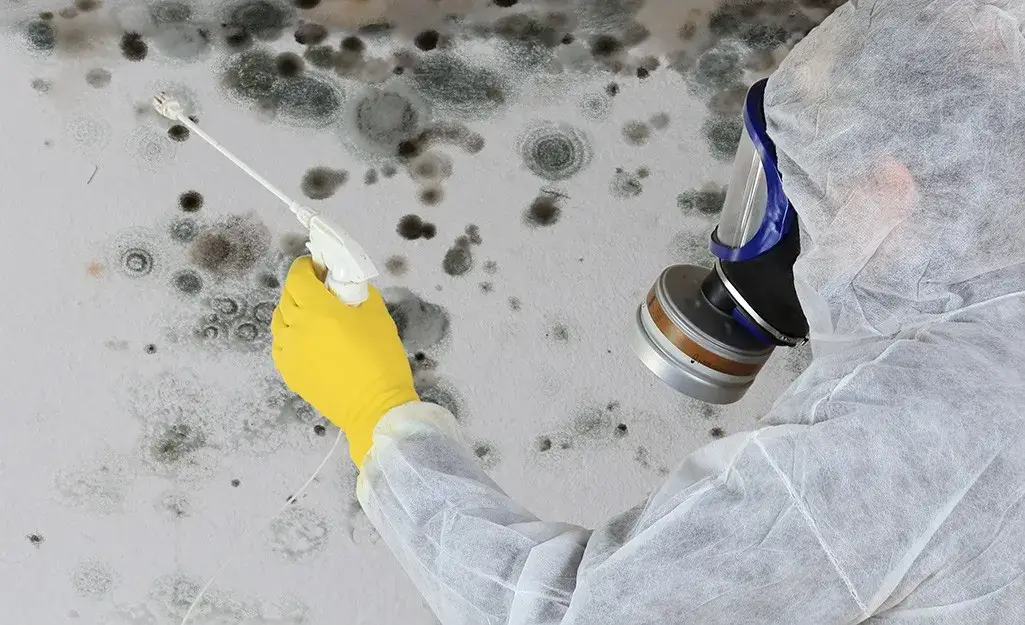
Mold prevention is integral to restoration because prolonged moisture increases colonization risk. Rapid mitigation, thorough drying, and scheduled inspections reduce that risk and support a safe indoor environment.
Which Mold Remediation Methods Are Most Reliable?
Reliable mold remediation follows a structured sequence: detailed inspection, containment to limit cross-contamination, and targeted removal and treatment of affected materials. Restoration professionals use specialized equipment and established methodologies to reduce airborne spores and remediate contamination, addressing infestations and lowering recurrence probability.
What Are the Best Practices to Prevent Mold Growth Post-Restoration?
Post-restoration practices include routine inspections, maintaining ventilation, and controlling indoor humidity. Promptly repairing leaks and any water intrusion is essential to keep environments dry and prevent future mold development.
What Are the Recommended DIY Water Damage Cleanup Tips for Homeowners?
Homeowners can take initial mitigation steps to limit damage. Immediate actions should prioritize removing standing water—using wet/dry vacuums where appropriate—and thorough cleaning and sanitization of affected surfaces to reduce contaminant loads.
Which Cleanup Actions Are Safe and Effective for Non-Professionals?
Non-professional measures include using wet/dry vacuums to extract water, segregating and disposing of contaminated materials, and wearing personal protective equipment such as gloves and masks. These precautions help manage minor incidents while reducing exposure to hazards.
When Should Professional Restoration Services Be Contacted?
Contact professional restoration services when there is visible structural water damage, persistent or widespread mold growth, or trauma-related contamination. Those conditions typically require specialized equipment and technical expertise to ensure complete remediation and occupant safety.
What to Include in a Water Damage Restoration Checklist?
A comprehensive restoration checklist ensures consistent execution of required tasks. Core items include a documented damage assessment, water extraction and controlled drying, and a final inspection with documentation of remediation results. The checklist helps homeowners and professionals achieve a complete, auditable restoration.
Which Inspection and Repair Tasks Are Essential for Complete Restoration?
Essential inspection and repair tasks comprise evaluating visible and concealed damage and developing a restoration plan tailored to the property’s construction and condition. This assessment ensures all affected systems and materials are addressed and that measures are in place to prevent recurrence.
How Do Painting and Final Repairs Integrate Into the Restoration Process?
Final repairs, including painting and finishing, restore functionality and appearance and provide an opportunity to verify safety and performance standards. Including these activities in the restoration plan completes recovery and confirms project closure.
The following comparison clarifies the relative significance of core restoration activities.
| Task | Description | Importance |
|---|---|---|
| Damage Assessment | Evaluating visible and hidden damage | Critical for planning |
| Water Extraction | Removing standing water | Prevents further damage |
| Drying | Ensuring complete moisture removal | Reduces mold risk |
| Final Inspection | Verifying restoration quality | Ensures safety and compliance |
The table summarizes key restoration tasks and their importance in achieving a compliant and durable outcome.
For additional information about our company and our quality commitments, consult our about us page.
Effective water damage restoration requires a systematic understanding of critical procedures, robust mold prevention strategies, and practical cleanup measures. Following these practices enables homeowners to mitigate property loss and protect occupant health.
For inquiries or immediate assistance, please contact us for expert guidance and support.
Frequently Asked Questions
What are the signs of water damage that homeowners should look for?
Homeowners should monitor for discoloration of walls or ceilings, peeling paint, warped flooring, musty odors, elevated indoor humidity, and condensation on windows. Early detection permits timely intervention and reduces the likelihood of extensive damage and higher repair costs.
How can I prepare my home for potential water damage?
Preventive measures include installing and maintaining sump pumps, ensuring effective site drainage, and routinely inspecting the roof and gutters for blockages. Sealing cracks in walls and foundations reduces intrusion risk. Maintain an emergency plan that lists restoration service contacts for rapid response.
What should I do if I suspect mold growth after water damage?
Act promptly: ventilate the area to reduce moisture, avoid disturbing visible mold to prevent spore dispersion, and retain a qualified mold remediation provider to assess and remove contamination. Regular inspections and controlled moisture levels help prevent recurrence.
Are there any health risks associated with water damage?
Water damage can create conditions conducive to mold growth, which may produce allergens and respiratory irritants. Standing water can also harbor bacteria and other pathogens. Prompt remediation reduces these health risks and supports a safe indoor environment.
How long does the water damage restoration process typically take?
Restoration duration varies with the extent of damage and the size of the affected area. Minor incidents are often resolved within several days, whereas complex or extensive damage may require weeks to complete. Drying time, mold remediation, and repair scope are primary determinants of the schedule. Consult restoration professionals for a site-specific estimate.
What are the costs associated with water damage restoration?
Restoration costs depend on damage severity, affected area size, and required services. Homeowner expenses commonly range from several hundred to several thousand dollars. Obtain multiple detailed quotes to compare scope, methodology, and pricing and to ensure appropriate service selection.
Conclusion
Effective water damage restoration protects property assets and occupant safety through a structured sequence of assessment, mitigation, drying, and verification. Implementing validated mold prevention measures and informed homeowner actions reduces loss and supports long-term property value. For tailored solutions and professional assistance, contact our team to evaluate your specific needs.