Understanding Effective Mold Remediation Techniques: Professional Mold Removal and Prevention Strategies
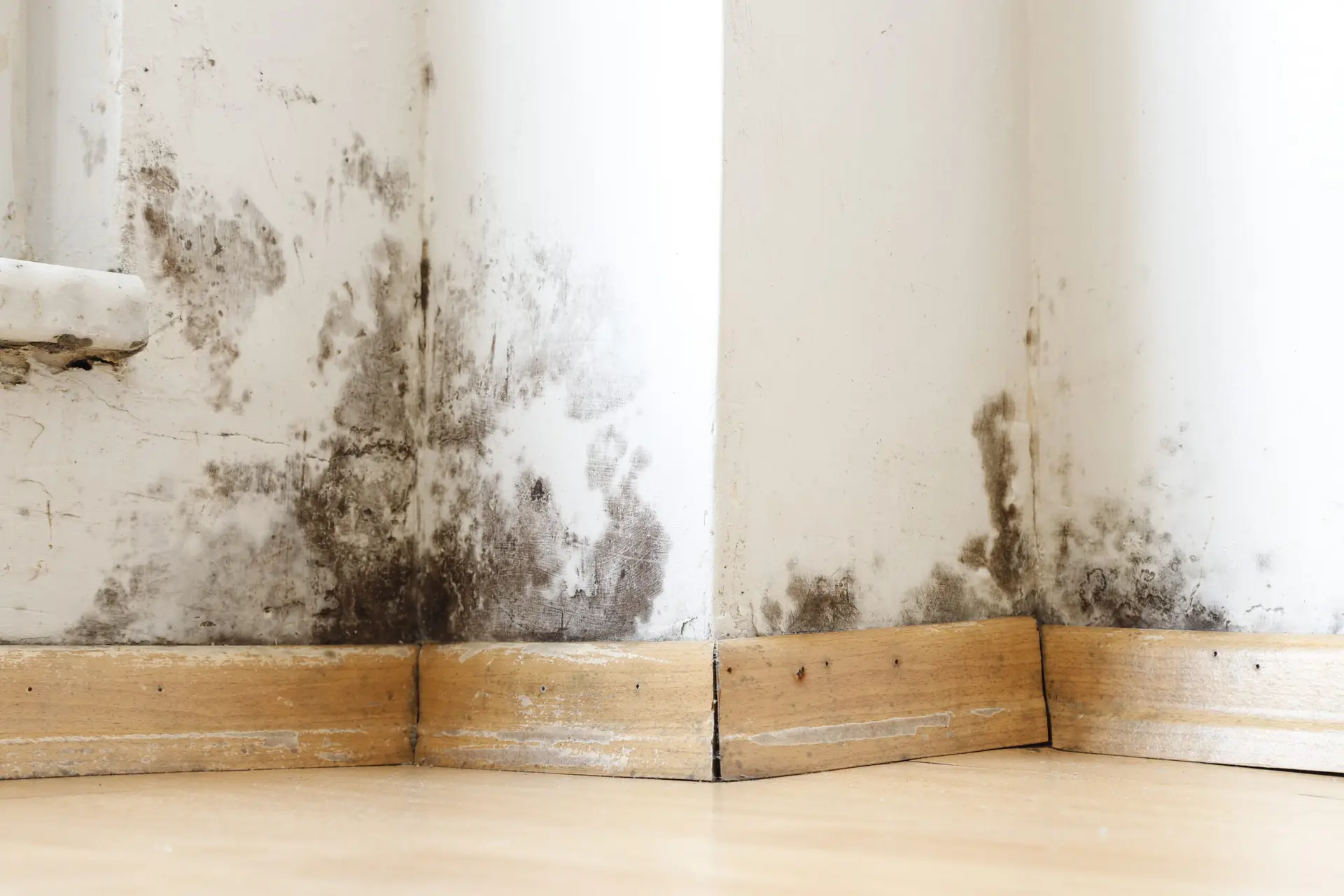
Mold poses health risks and can damage property; effective remediation combines assessment, removal, and prevention. This article summarises professional and practical do-it-yourself approaches, how inspections guide remediation, and the prevention steps that limit recurrence.
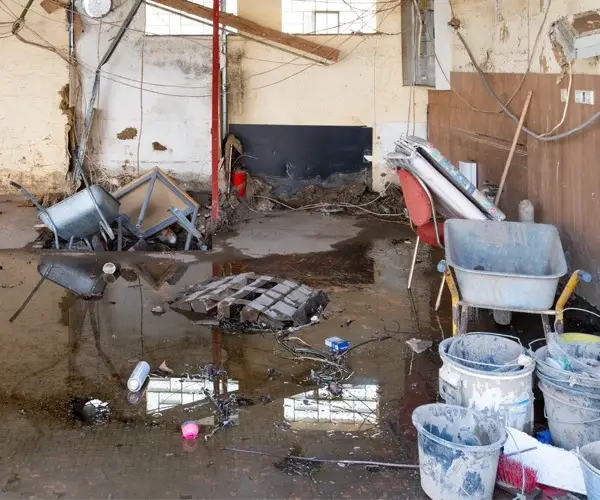
After major water damage, prompt, comprehensive cleanup and moisture control are particularly important to reduce mould risk.
Mold Prevention, Health Effects & Clean-up Strategies
Extensive water damage following hurricanes and major floods increases the risk of mold contamination in buildings. This report outlines methods to limit exposure and to identify and prevent mold-related health effects. Where scientific uncertainties exist, the report recommends practical measures designed to protect health. It provides evidence and guidance on exposure assessment, cleanup and prevention, personal protective equipment, health effects, and public health strategies and recommendations.
Mold prevention strategies and possible health effects in the aftermath of hurricanes and major floods, 2006
Professional Mold Removal Methods
Professional mold remediation follows a set protocol: assess scope and cause, implement containment, remove contamination, clean and sanitise, and repair affected structures to prevent reoccurrence.
For professional assistance, VIP Restoration Inc is a Sacramento-based restoration company offering trained technicians, specialised equipment, and long-term prevention services.
DIY Mold Remediation
DIY work is reasonable only for small, well-contained patches on non-porous surfaces. Assess size and cause first; if growth is extensive, porous, or hidden, hire a professional.
Use gloves, eye protection and suitable respiratory protection. Common DIY cleaners are detergent solutions or commercial products, but they have limits for deep or widespread contamination.
Prevention Strategies
Controlling moisture is the core prevention measure: inspect and repair leaks in basements, bathrooms, and crawlspaces and dry wet materials quickly.
Improve ventilation (vent exhaust fans outdoors), use dehumidifiers in damp areas, and keep HVAC systems maintained to reduce humidity and airflow issues.
Best Practices for Maintaining a Mold-Free Environment
Monitor indoor humidity (keep it below about 60%), address water stains or musty odours promptly, and clean high‑moisture surfaces routinely.
Educate occupants and facility staff about mould risks and the conditions that promote growth so problems are noticed and fixed early.
What Are the Key Steps in the Mold Inspection Process?
Inspectors collect property history, perform a visual inspection, identify moisture sources, and document findings to support a remediation plan.
Accurate records and photographs help ensure all affected areas and causes are addressed during remediation.
How Do Certified Technicians Conduct Mold Testing and Assessment?
Certified technicians combine visual surveys with moisture meters, thermal imaging and targeted sampling when needed to locate hidden growth and diagnose causes.
The resulting report summarises extent, likely sources, and clear remediation recommendations for property owners.
Which Tools and Equipment Are Used for Accurate Mold Detection?
Key detection tools include moisture meters, air-sampling equipment, and thermal imaging cameras; together they reveal moisture issues and airborne spore presence.
- Moisture Meters: measure material moisture to find at-risk areas.
- Air Sampling Equipment: collect air samples for laboratory analysis when required.
- Thermal Imaging Cameras: spot temperature differences that indicate concealed moisture.
Used together, these tools support targeted and efficient remediation planning.
Effective Mold Remediation: Professional Removal & Prevention
Technique selection depends on severity and materials affected; core steps are assessment, containment, cleaning, and repair.
- Inspection and Assessment: define scope and remediation needs.
- Containment Procedures: prevent spore spread during work.
- Cleaning and Sanitization Methods: remove contamination and reduce regrowth risk.
Combining these steps restores safe conditions for occupants.
How Is Mold Containment Implemented to Ensure Safety?
Containment limits cross-contamination: isolate work areas and control airflow so spores do not spread to clean zones.
- Physical Barriers: plastic sheeting and sealed openings.
- Negative Air Pressure: HEPA-filtered units to keep air flowing into containment areas.
Proper containment protects workers and unaffected areas throughout remediation.
What Cleaning Methods and Equipment Are Used in Mold Remediation?
Effective remediation uses targeted cleaning agents, thorough removal of contaminated materials when necessary, and controlled drying to prevent regrowth.
- Decontamination Techniques: appropriate cleaners and methods for the surface and material.
- Drying and Moisture Control: dehumidifiers and air movers to eliminate moisture.
- Final Verification Processes: post-remediation checks to confirm effectiveness.
These steps, coordinated with moisture control, provide a complete remediation workflow.
How Can Post-Remediation Verification and Mold Prevention Be Ensured?
Verification includes follow-up inspections and, when needed, sampling to confirm remediation success and ensure moisture issues are fixed.
- Routine Maintenance: periodic checks for leaks or dampness.
- Best Practices for Prevention: ventilation improvements and humidity control.
Together, monitoring and maintenance reduce the chance of future growth.
What Procedures Confirm Successful Mold Removal?
Standard confirmation includes documented assessment, containment during work, post-remediation inspection, and an ongoing maintenance plan.
- Assessment and Containment: ensure all affected areas were addressed.
- Monitoring and Verification: confirm levels are acceptable after work.
- Ongoing Maintenance: reduce moisture risk to prevent recurrence.
Following these procedures helps avoid repeat remediation.
Which Preventative Measures Reduce Future Mold Growth Risks?
Consistent moisture control, routine inspections, and improved ventilation are the most effective preventive measures.
- Moisture Control: fix leaks and ensure proper drainage.
- Regular Inspections: watch moisture-prone areas for early signs.
- Improving Ventilation: maintain airflow in high‑moisture zones.
Applying these measures consistently minimises the chance of infestation.
What Are the Typical Costs and Considerations When Choosing Mold Cleanup Services?
Costs vary with extent of damage, materials affected, and required remediation techniques; compare service levels and guarantees.
- Cost Ranges for Remediation: vary by area size and severity.
- Factors Influencing Pricing: mold type, location, and procedures used.
- Service Options Available: from basic cleanup to full remediation.
Understanding these variables helps choose the appropriate service.
How Do Service Providers Determine Mold Remediation Pricing?
Pricing reflects damage extent, water source classification (clean/gray/black), and regional labor/material costs.
- Extent of Damage: area size and severity.
- Type of Water Involved: contamination level affects scope.
- Location-Specific Pricing: regional cost differences.
A clear estimate should itemise these factors.
What Factors Should Clients Consider When Selecting a Mold Remediation Company?
Choose a certified, experienced company with positive reviews and clear documentation of processes and guarantees.
- Qualifications of the Company: certifications and training.
- Experience in the Field: proven track record with similar jobs.
- Customer Reviews and Testimonials: feedback on reliability and results.
Assess these points to select a reputable remediation provider.
To learn more about our company and our commitment to quality, please visit our About Us page.
If you are dealing with property damage, our restoration process provides a structured path to recovery.
For inquiries or to schedule a consultation, please contact us today.
Frequently Asked Questions
What health risks are associated with mold exposure?
Mold exposure can trigger respiratory and allergic symptoms and may worsen chronic conditions; seek medical advice for concerning or prolonged symptoms.
How can I identify hidden mold in my home?
Look for musty odours, unexplained water stains, and high indoor humidity; use moisture meters or thermal imaging or hire a professional for hidden growth.
What should I do if I find mold in my home?
For small patches on non-porous surfaces, careful DIY cleaning may suffice; for large, porous, or structural contamination, engage a remediation specialist and fix moisture sources.
How often should I conduct mold inspections in my home?
Inspect moisture-prone areas at least annually and after major water events to detect problems early and enable timely remediation.
Are there any natural remedies for mold removal?
Mild natural cleaners (vinegar, baking soda, hydrogen peroxide) can address minor mold on non-porous surfaces, but they are not reliable for extensive infestations.
What are the long-term effects of mold exposure?
Prolonged exposure can contribute to chronic respiratory problems and allergy symptoms; prompt remediation reduces long-term risk.
How can I improve ventilation to prevent mold growth?
Ensure exhaust fans vent outdoors, open windows when practical, use dehumidifiers in damp areas, and maintain HVAC systems for proper airflow.
Conclusion
Effective mold remediation pairs moisture control, clear assessment, targeted removal, and verification with ongoing maintenance. For complex or extensive problems, consult a qualified remediation service to ensure a safe, restored environment.