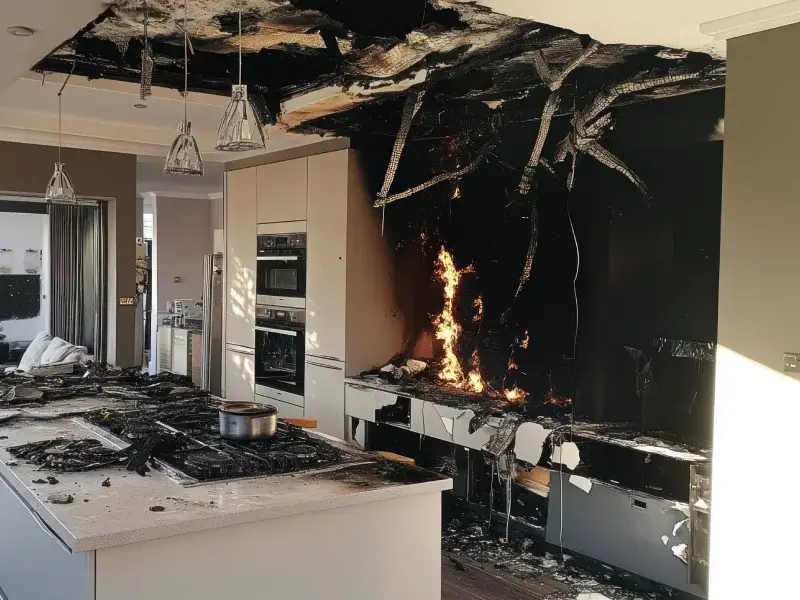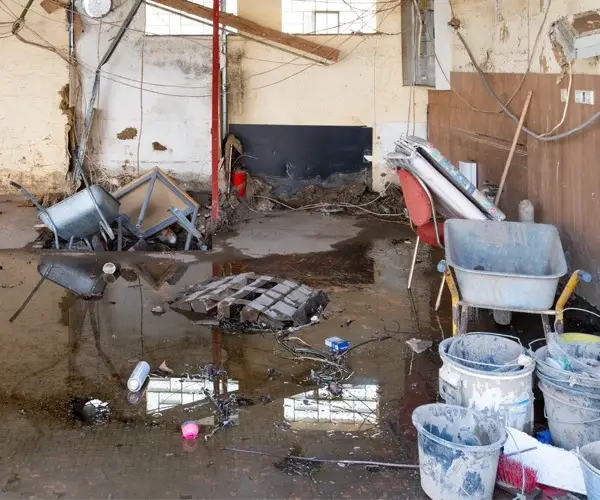
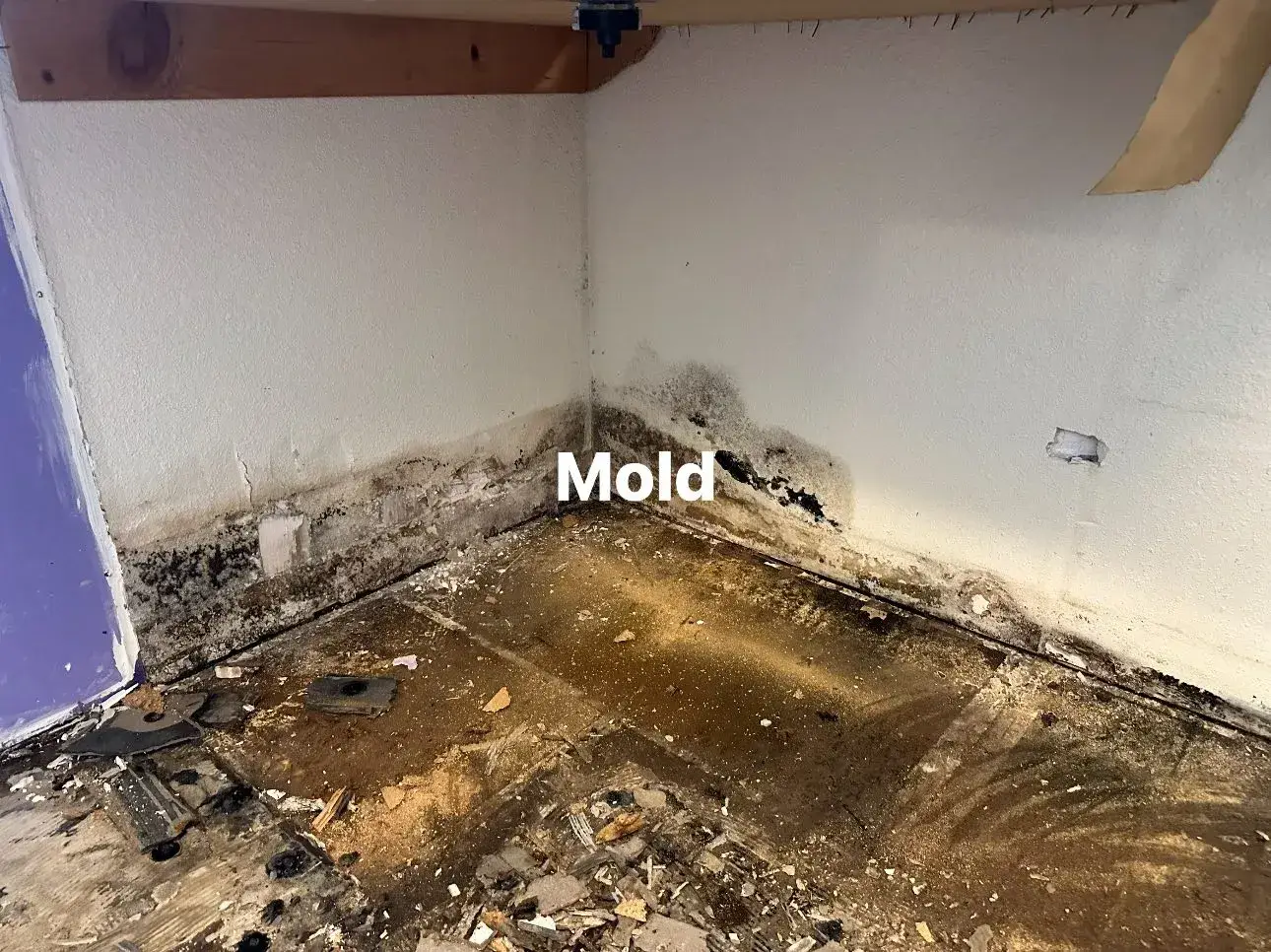
Mold growth in residential properties poses documented health risks and can cause structural and cosmetic property damage. This article outlines primary indicators of mold presence, inspection methodologies, and remediation strategies. It details common signs of infestation, the role of a mold inspection checklist, documented health effects of exposure, and available remediation approaches. The content also summarizes preventive measures and criteria for engaging professional services.
What Are the Most Common Signs of Mold Growth in Residential Properties?
Early identification of mold is a critical element of household risk management. Typical indicators include visible fungal colonies, persistent musty odors, and evidence of water intrusion. Mold proliferates in damp conditions; locations with elevated humidity or recurrent water exposure are at increased risk. Timely recognition reduces the probability of extensive material degradation and health impacts.
How to Spot Mold in Walls and Hidden Areas
Mold frequently establishes within wall cavities and other concealed spaces, complicating detection. Inspect for moisture intrusion indicators such as staining, efflorescence, or paint discoloration. A rise in allergy or respiratory symptoms among occupants may signal concealed growth. Conduct routine inspections of basements, attics, crawlspaces, and areas behind appliances to identify issues before they escalate.
Identifying Visible Mold Types: Black Mold, White Mold, and Other Variants
Surface mold presents in multiple colors and morphologies. Stachybotrys chartarum, commonly referred to as black mold, is often cited for its potential to produce mycotoxins and associated health concerns. White and other nonpigmented molds may indicate moisture problems without identical toxigenic profiles. Distinguishing among mold types informs appropriate remediation planning and occupational health controls.
How Can a Mold Inspection Checklist Help Detect Mold Early?
A structured mold inspection checklist provides a standardized, repeatable framework for identifying contamination. Typical elements include visual surveys, targeted moisture measurements, and consideration of indoor air quality data. Adherence to a comprehensive checklist supports consistent, thorough property evaluations.
Key Components of a Professional Mold Inspection Checklist
Core checklist items are visual identification of fungal growth, verification of moisture sources, and assessment of indoor air parameters. Use of calibrated moisture meters can reveal subsurface dampness not apparent on visual inspection. This methodical approach facilitates earlier detection and more effective remediation planning.
Using Mold Testing Kits and Inspection Tools for Accurate Detection
Mold testing kits and professional inspection instruments provide objective data to document contamination. Standard practice involves sample collection from suspect locations followed by laboratory analysis. Systematic documentation of test results assists in quantifying the scope of contamination and directing remediation scope.
What Are the Health Effects of Black Mold Exposure and Mold Contamination?
Exposure to mold, including species frequently labeled as black mold, is associated with allergic responses and respiratory effects in sensitive individuals. Recognizing potential health outcomes related to indoor contamination is essential for occupant protection and remediation prioritization.
Peer-reviewed research delineates the specific hazards attributed to toxigenic fungi and describes mechanisms by which their metabolites can affect human health.
Black Mold Health Risks: Symptoms, Exposure, and Remediation
Black mold is a type of fungus that produces dangerous toxins known as mycotoxins, which can enter the body through inhalation, skin contact, or consumption of contaminated food. This fungus thrives in damp and dark environments and can cause various symptoms, including respiratory irritation such as cough, runny nose, sore throat, or difficulty breathing and skin problems such as rashes or itching. This study examines the potential health risks of black mold, focusing on environmental exposure, vulnerable populations, health effects, and remediation strategies. The literature review reveals that black mold exposure frequently occurs in damp indoor spaces.
Understanding The Health Hazards Of Black Mold: An Overview Of Environmental And Population-Based Risks, MF Ramadhansyah, 2025
Recognizing Symptoms Related to Mold Exposure: Allergies and Respiratory Issues
Common clinical presentations associated with mold exposure include sneezing, coughing, skin irritation, and nasal congestion. Individuals with pre-existing asthma, allergic rhinitis, or other respiratory conditions may experience exacerbation of symptoms. Early recognition of these indicators enables expedited assessment and remediation.
Additional studies examine a broader range of adverse outcomes linked to indoor fungal exposure and evaluate the evidence concerning specific toxigenic species.
Indoor Mold Exposure: Health Effects and Building-Related Illnesses
The adverse health effects of indoor mold exposure gained much public attention in recent years. Although many studies support the involvement of fungi in building-related illnesses and emphasize the importance of mold exposure as an emerging public health issue, the role of toxigenic species such asStachybotrys chartarum(SC) remains highly controversial [1]. Molds can affect human health through mycotoxicosis, infection, allergy, and inflammation. The first category is often disputed, especially in the context of residential indoor air exposure [1,4].
Guest Editorial — Novel Insights into the Pathology of Stachybotrys chartarum, 2011
Statistical Data on Mold-Related Health Risks and CDC Guidelines
Epidemiological and clinical research identify elevated risk for vulnerable cohorts, including children and older adults. The Centers for Disease Control and Prevention advises maintaining indoor relative humidity below 50% and addressing water intrusion promptly to limit mold proliferation. Compliance with these controls reduces exposure risk.
What Are the Effective Mold Remediation Services Available Near Me?
Upon detection of mold, procurement of professional remediation services ensures adherence to safety protocols and regulatory best practices. Standard professional workflows address assessment, containment, removal, and post-remediation verification.
Professional Mold Removal Processes: Inspection, Containment, and Removal
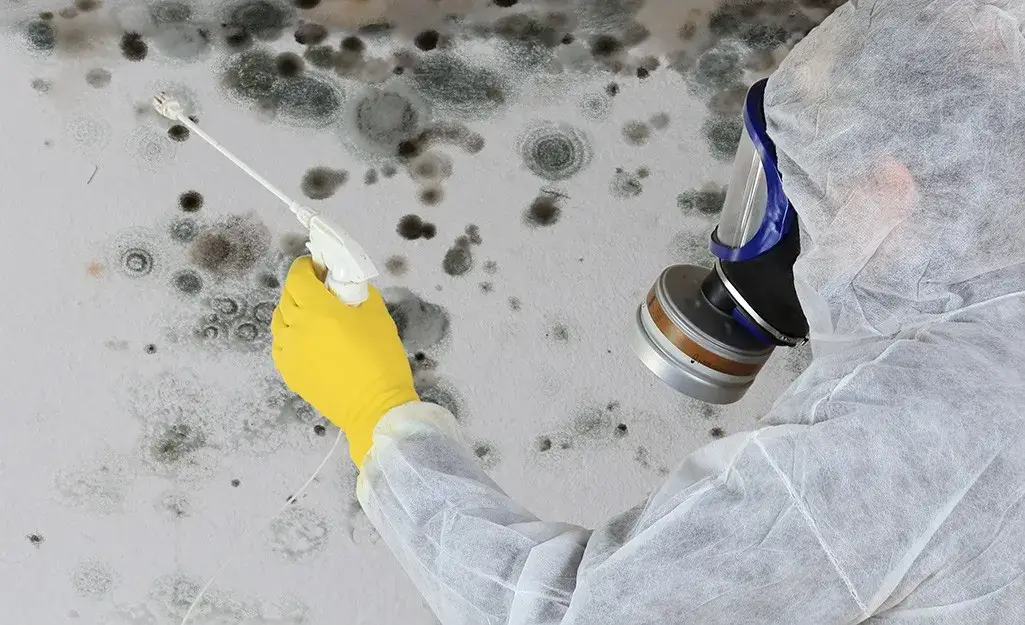
A professional remediation workflow begins with a documented inspection to quantify affected areas and identify moisture sources. Containment measures are then implemented to limit spore migration during abatement. Finally, contaminated materials are removed and disposed of in accordance with applicable safety guidelines to re-establish a safe indoor environment.
Comparing DIY Mold Removal Versus Professional Remediation Services
Do-it-yourself remediation may be appropriate for minor, nonporous surface contamination but often lacks engineering controls and containment required for larger events. Certified remediation professionals deploy specialized equipment, personal protective equipment, and procedural controls to reduce health risk and prevent recontamination. For extensive or concealed infestations, professional services provide a more reliable outcome.
How Can Homeowners Prevent Mold Growth in Basements and Other Vulnerable Areas?
Effective prevention requires systematic moisture management in susceptible locations such as basements and crawlspaces. Scheduled inspections and targeted maintenance materially decrease the probability of mold establishment.
Implementing Humidity Control and Ventilation Strategies
Maintaining controlled humidity levels is a primary prevention measure. Use dehumidification and ensure mechanical or passive ventilation in bathrooms, kitchens, and other moisture-generating zones. Periodic servicing of ventilation and HVAC components supports indoor air quality and moisture control.
Technical analyses indicate that HVAC optimization and appropriate ventilation rates are critical components of comprehensive mold prevention strategies, especially in high-humidity climates.
Preventing Mold Growth: Humidity Control and HVAC Optimization
Educational buildings located in hot and humid climates could suffer from high indoor humidity levels leading to mold growth issues which will eventually affect the well-being of occupants. These unhealthy indoor conditions typically occur in buildings located in extremely humid climates and operating with high mechanical ventilation rates. A building energy model was used to optimize the performance of the HVAC system. The results showed that optimum ventilation rates and a cooling set point of 20 °C are crucial to prevent mold growth.
Preventing mold growth and maintaining acceptable indoor air quality for educational buildings operating with high mechanical ventilation rates in hot and humid …, A Alaidroos, 2023
Routine Maintenance Tips to Prevent Mold Recurrence
Implement a preventive maintenance schedule: inspect for plumbing leaks, clear and repair gutters, and verify exterior drainage to direct water away from the foundation. These measures help preserve dry building assemblies and reduce recurrence risk.
When Should You Contact a Restoration Professional for Mold Issues?
Recognizing thresholds for professional engagement is essential to effective remediation. Specific indicators warrant immediate assessment by certified practitioners.
Indicators That Require Immediate Professional Mold Remediation
Observable mold colonies, persistent musty odors, and ongoing occupant symptoms are indicators requiring professional evaluation. Large-scale contamination or growth within concealed assemblies necessitates expert intervention to ensure safe and effective abatement.
How VIP Restoration Inc Provides Rapid Emergency Mold Services in Sacramento
VIP Restoration Inc provides emergency mold response services in the Sacramento area, typically responding within 24 hours. The provider performs inspection, removal, and remediation services and coordinates with insurance carriers to support claim-related processes and reduce administrative burden for homeowners. To learn more about VIP Restoration Inc , visit their website.
If you are addressing a mold incident, review our restoration process to understand standard remediation steps and expectations.
For further inquiries or to request service, do not hesitate to contact us at VIP Restoration Inc.
Frequently Asked Questions
What are the best practices for mold prevention in homes?
Effective prevention emphasizes moisture control and ventilation management. Maintain indoor humidity below recommended thresholds, deploy dehumidifiers in damp zones, and inspect for leaks or water damage routinely. Maintain HVAC filtration and circulation, and ensure exterior drainage and gutter systems function properly. Regular inspections and maintenance constitute the primary defense against mold.
How can I tell if I have hidden mold in my home?
Hidden mold often manifests as persistent musty odors, unexplained water stains, or surface discoloration on walls and ceilings. Increased allergy or respiratory symptoms among occupants can also indicate concealed contamination. When visual confirmation is not possible, use moisture detection instruments or engage a professional inspection to locate hidden growth.
What should I do if I find mold in my home?
Upon discovery of mold, first address the moisture source to prevent continued growth. For limited surface contamination on nonporous materials, cleaning with detergent and appropriate protective equipment may be sufficient. For larger infestations or when structural materials are affected, retain a qualified remediation provider to perform containment, removal, and verification measures.
Are there any DIY methods for mold removal?
DIY techniques can be effective for small, isolated mold patches on nonporous surfaces using solutions such as diluted detergent, vinegar, or standard disinfectants when applied with appropriate protection and ventilation. However, DIY approaches are not recommended for extensive contamination. Professional remediation is preferable for complex or widespread issues to prevent cross-contamination and to address underlying moisture drivers.
How can I improve indoor air quality to reduce mold growth?
To improve indoor air quality, maintain relative humidity below 50% through dehumidification and ventilation, and service HVAC systems regularly. Replace filters on schedule and consider HEPA-grade air cleaners where appropriate. Minimize water-retaining floor coverings in damp areas and prioritize hard-surface flooring that is easier to clean and dries more rapidly.
What are the long-term effects of mold exposure on health?
Prolonged exposure to indoor mold can exacerbate chronic respiratory conditions and allergies, particularly among individuals with pre-existing pulmonary disease, immunosuppression, or heightened sensitivity. Chronic exposure has been associated with persistent respiratory symptoms such as asthma exacerbation, chronic cough, and recurrent sinusitis. Certain molds produce mycotoxins that have been linked in the literature to systemic and neurological effects; prompt remediation reduces long-term risk.
Conclusion
Accurate recognition of mold indicators and implementation of targeted prevention and remediation measures are fundamental to protecting occupant health and preserving property assets. Do not delay corrective action when mold is suspected. For professional assessment and comprehensive remediation services, review available service options and contact a qualified provider for consultation.