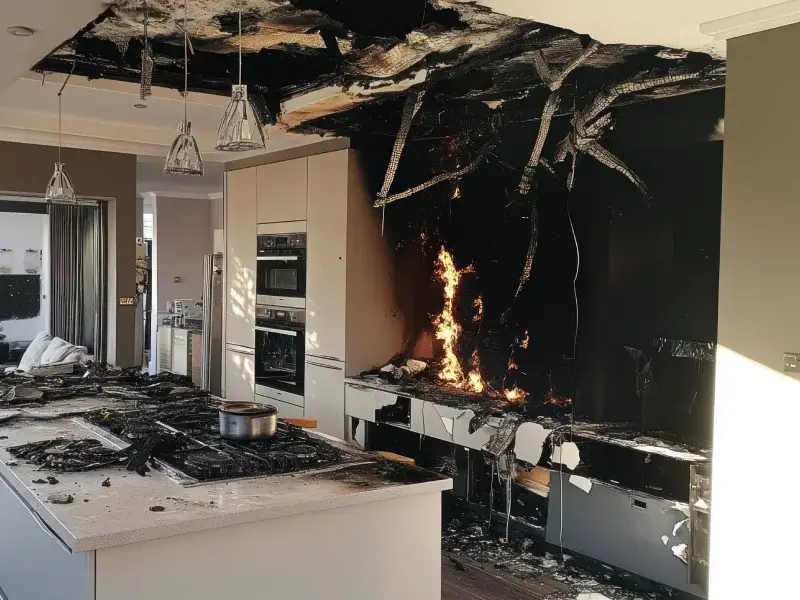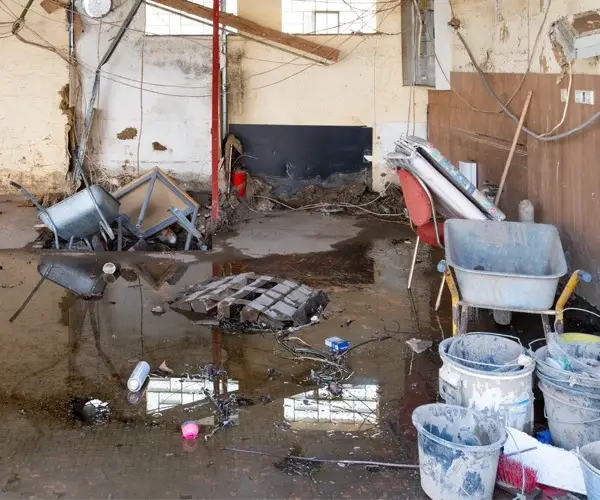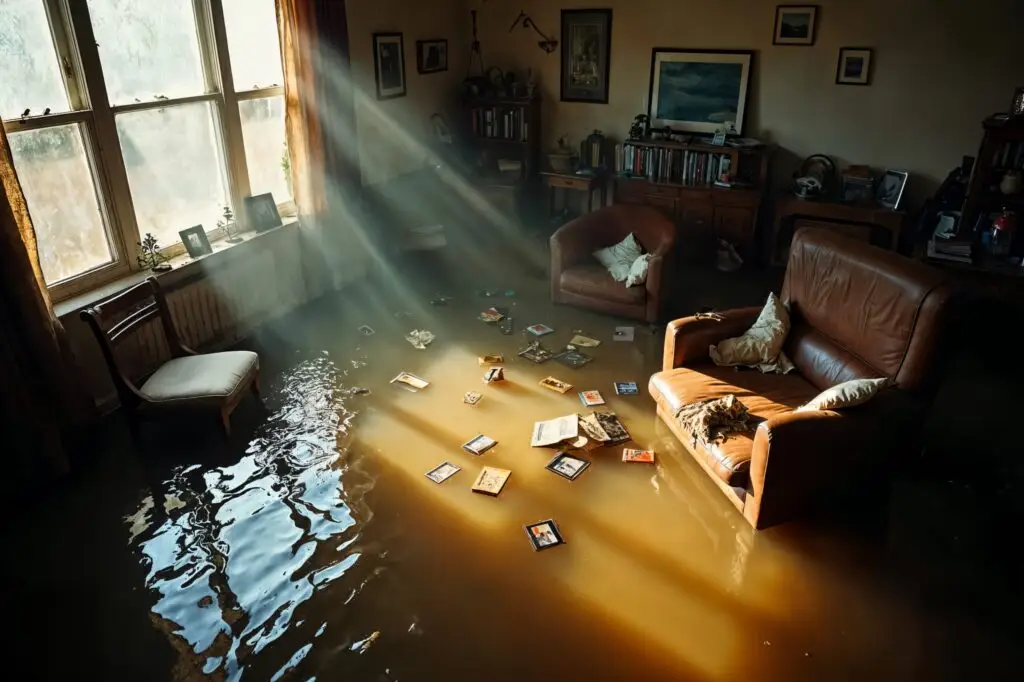
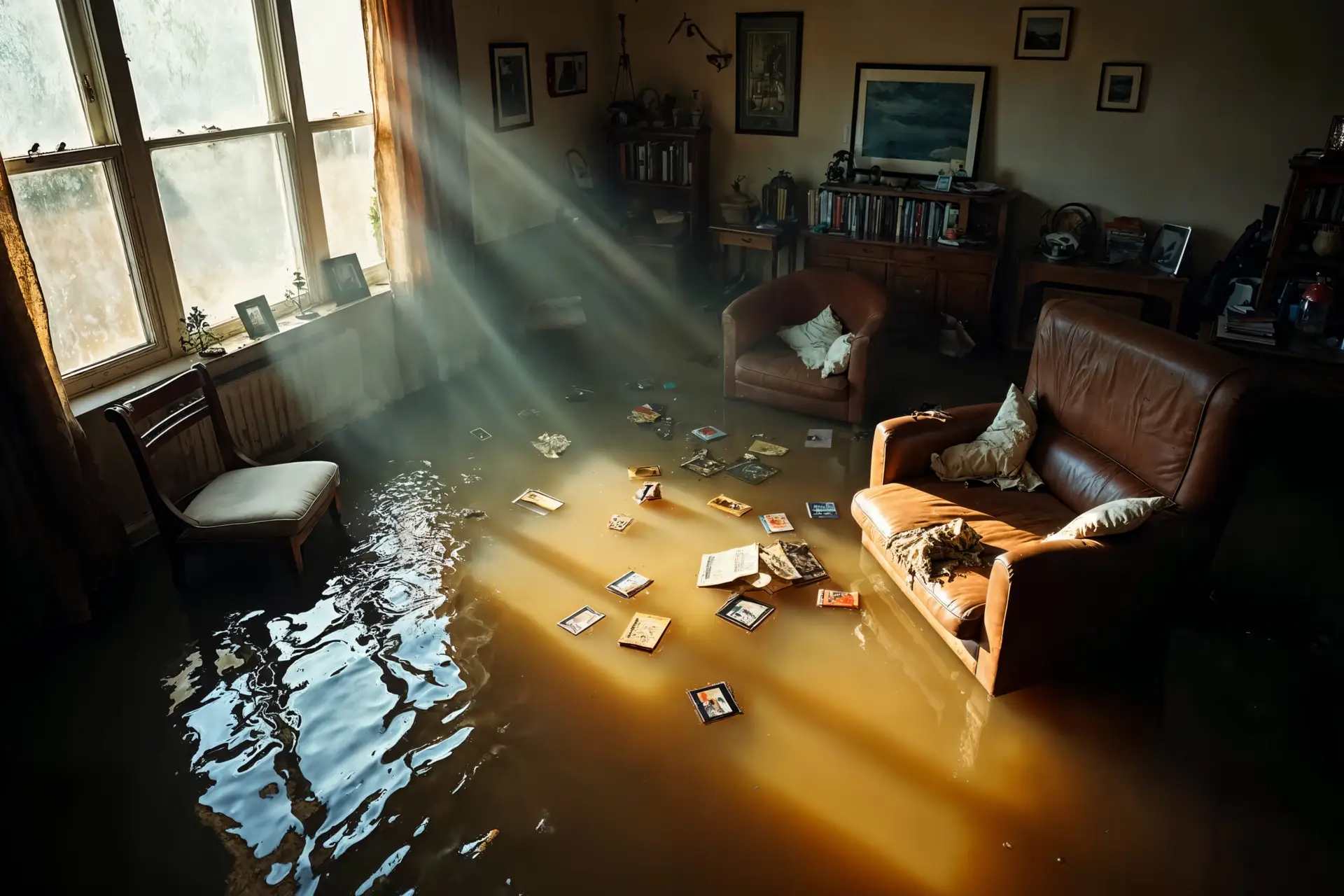
Professional water damage inspections identify moisture source, category, and classification before drying begins. Water damage causes nearly 30% of home insurance claims nationwide. VIP Restoration technicians assess affected areas, check for contamination, and document findings for insurance purposes. Sacramento homeowners receive a clear damage scope report, ensuring accurate claims and preventing mold growth, which starts within 24 to 48 hours.
Key Takeaways
-
Water damage accounts for nearly 30% of all home insurance claims in the United States annually.
-
Mold grows within 24 to 48 hours after water events, creating serious health hazards for homeowners.
-
VIP Restoration identifies water sources and stops them immediately to prevent further property damage.
-
Comprehensive inspections determine damage scope and develop appropriate restoration action plans for your home.
Why Does a Professional Water Inspection Matter?
A professional water inspection matters because moisture left undetected causes damage that compounds by the hour. Sacramento homeowners who delay an assessment risk mold, structural weakening, and disrupted daily life. VIP Restoration, based in Sacramento, gives local property owners a nearby resource for Home Water Damage Inspection Services, with crews arriving within two hours of a call.
Speed changes outcomes. Water intrusion can quickly halt normal household routines, ruin furniture and flooring, and introduce safety hazards like weakened subfloors or exposed wiring. The longer water sits, the more it spreads into wall cavities, under cabinetry, and beneath carpet padding where it’s easy to miss.
How fast does mold actually grow after a water event?
Mold growth begins within 24 to 48 hours of a water event, according to industry reporting on residential water damage. That narrow window is why scheduling an inspection immediately, rather than waiting to see if a spot dries on its own, protects both health and property value.
What happens if a homeowner skips inspection and just dries visible water?
Skipping inspection leaves hidden moisture behind walls, under flooring, and inside insulation untouched. Surface drying looks like a fix, but trapped moisture continues feeding mold and rot out of sight.
A thorough inspection typically uncovers:
-
Moisture trapped behind drywall or baseboards
-
Saturated subflooring beneath carpet or tile
-
Early mold colonies forming in wall cavities
-
Structural softening in wood framing or joists
Because Sacramento crews can reach a property quickly, homeowners avoid the extended exposure window that turns a manageable leak into a costly reconstruction project.
What Happens During a Home Water Inspection?
A trained inspector examines the property room by room to determine exactly how far the water has traveled and how much damage has occurred. This detailed review sets the scope of the entire restoration plan before any equipment gets deployed. Skipping this step invites guesswork, and guesswork leaves hidden moisture behind walls and under flooring where mold takes hold.
Home water damage inspection services start with locating the source of the intrusion, whether a burst supply line, a failed appliance hose, or a roof leak. Inspectors shut off that source first, because drying equipment does no good while water keeps flowing. Only after the flow stops does the actual mitigation work begin.
Why does stopping the source matter so much?
Continued water flow undermines every drying effort that follows. Fans and dehumidifiers cannot outpace an active leak, so crews confirm the source is fully controlled before moving forward.
Once the source is secured, the inspection typically covers:
-
Visible damage to walls, flooring, and ceilings
-
Moisture readings in materials that look dry on the surface
-
Structural areas at risk of weakening from prolonged exposure
-
Documentation of affected zones for insurance purposes
Why does prompt inspection prevent bigger problems later?
Delayed inspection allows moisture to spread into framing, insulation, and subflooring, setting the stage for mold growth and structural deterioration. Acting quickly limits that spread and protects the property’s long-term integrity.
VIP Restoration approaches every inspection with a focus on clear communication and efficient results. Property owners understand the scope of damage and the plan to address it. That transparency, paired with a structured assessment process, gives homeowners and property managers a documented starting point for repairs and for any insurance claim that follows.
How Do Inspectors Detect Hidden Moisture Sources?
Trained inspectors track water beyond the visible stain, checking ceilings, wall cavities, insulation, and ductwork for trapped moisture. A thorough home water damage inspection aims to identify every area affected by water. Gauge how much structural damage has occurred. That scope matters, because water travels along framing and settles in spaces homeowners rarely think to check.
Wet ceilings often signal a problem far larger than the visible drip below. Soaked insulation and ductwork can hold moisture for days, feeding mold growth long after the surface looks dry. Inspectors treat these zones as priority checkpoints rather than afterthoughts.
What areas get the closest attention?
Ceilings, attic insulation, and HVAC ductwork top the list, since moisture hides inside these spaces without any surface warning. A property manager overseeing multiple units benefits from this level of scrutiny. One missed pocket of dampness can reappear as a costly repair months later.
Why does experience matter during assessment?
Judgment built over years separates a surface check from a genuine damage assessment. VIP Restoration’s team draws on more than 40 years of combined experience when evaluating water intrusion, applying that background to read subtle signs less-trained eyes miss.
That depth of experience carries into larger properties, too. VIP Restoration’s team handles projects of significant scope while staying focused on minimizing downtime for occupants and business owners alike. For a Sacramento homeowner or buyer evaluating a property, that same disciplined approach applies:
-
Ceiling and attic checks for hidden saturation
-
Insulation and ductwork inspection for trapped moisture
-
Structural evaluation to gauge long-term damage risk
Each step builds toward one goal: a complete, defensible picture of the property’s condition.
What Goes Into a Water Damage Report?
A thorough water damage report documents the extent of moisture intrusion, the affected materials, and the recommended course of action for full restoration. This document becomes the backbone of an insurance claim, giving adjusters a clear, evidence-based account of what happened and what repairs the property requires. Without this level of detail, claims stall and homeowners face disputes over coverage.
Sacramento homeowners and property managers benefit most when the report reflects a structured, full-service approach. Clear daily communication and expert guidance accompany the report from mitigation through reconstruction, so nothing gets lost between the inspection and the final repair. That continuity matters, since a report is only useful if the team standing behind it follows through on every recommendation it contains.
What information does a typical report include?
Reports generally cover moisture readings, affected room-by-room details, and photo documentation of damaged materials. VIP Restoration’s home water damage inspection services compile these findings alongside a proposed scope of work, giving property managers and commercial stakeholders a single reference point throughout the process—from initial extraction to project completion.
How does the report help with insurance claims?
A detailed report supports the claim by giving adjusters documented proof of damage and repair needs. VIP Restoration works with all insurance companies. Walks homeowners through the claim process step by step, using the report as the foundation for that conversation.
Every project built on this documentation includes daily updates while work is underway. Reconstruction carries a one-year warranty, giving clients confidence that the repairs outlined in the report hold up long after the crew leaves.
How Does Inspection Speed Insurance Claim Approval?
A documented inspection report gives adjusters the evidence they need to approve claims faster, replacing guesswork with measurements, photos, and moisture readings. Homeowners who skip this step often face delays, disputes, or denied coverage for damage that goes unrecorded. Nearly 30% of all home insurance claims in the United States stem from water damage, making thorough documentation essential for these claims.
Insurance carriers look for consistency between what a homeowner reports and what an inspector verifies. Home water damage inspection services create that paper trail from day one, logging affected areas, moisture levels, and the likely cause of intrusion. Clear guidance and daily updates keep property managers. Stakeholders informed throughout the claims process, reducing the back-and-forth that stalls approval.
Does it matter where the water damage happened?
Location affects coverage more than many homeowners expect. Nearly all U.S. counties, 99% according to FEMA data cited by insurance analysts, have experienced a flood event, and roughly one-third of flood insurance claims originate from properties outside high-risk flood zones. An inspection report that pinpoints the source. Path of water strengthens a claim regardless of where the property sits on a flood map.
What should an inspection report include for insurance purposes?
A strong report combines several elements adjusters expect to see:
-
Photographic evidence of affected walls, flooring, and belongings
-
Moisture readings from professional-grade meters
-
A written timeline of when damage occurred and was discovered
-
An itemized damage assessment tied to repair recommendations
Fast, accurate reporting also protects belongings and shortens the time before daily routines return to normal.
FAQ
How quickly does VIP Restoration respond to a water damage call?
VIP Restoration crews typically arrive within two hours of a call, helping Sacramento homeowners limit moisture spread into walls, flooring, and cabinetry before mold begins forming.
What does a home water damage inspection document?
Technicians assess affected areas, check for contamination, and document findings for insurance purposes, giving homeowners a clear damage scope report for accurate claims.
Why do inspectors stop the water source before drying begins?
Drying equipment does no good while water keeps flowing
Conclusion
In closing, understanding water damage inspection services empowers you to protect your property and make informed decisions during a critical time. A thorough inspection identifies hidden moisture, structural vulnerabilities, and mold risks that compromise safety and value. By prioritizing professional assessment and swift mitigation, you restore confidence in your home’s integrity and accelerate recovery. When water damage strikes, expert inspection transforms uncertainty into a clear path forward, ensuring your property receives the comprehensive care it deserves.
Water damage doesn’t wait, and neither should you. Call VIP Restoration for a prompt, professional water damage inspection. Our Sacramento-based crews arrive within two hours to assess the damage, document findings for your insurance claim, and get your property on the path to full restoration.