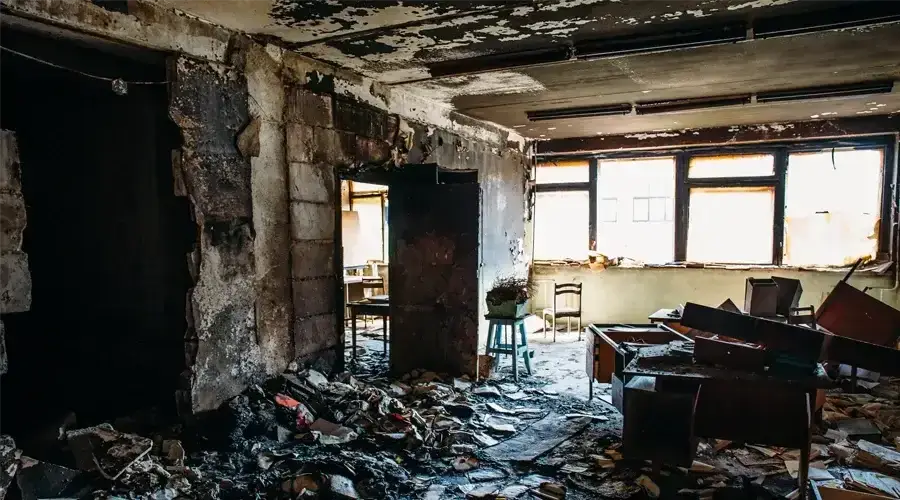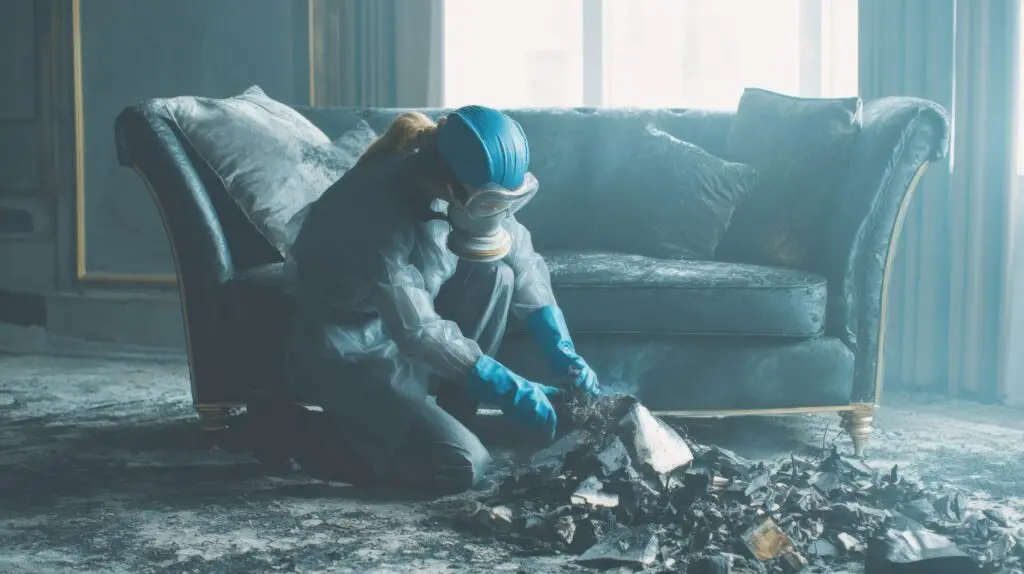
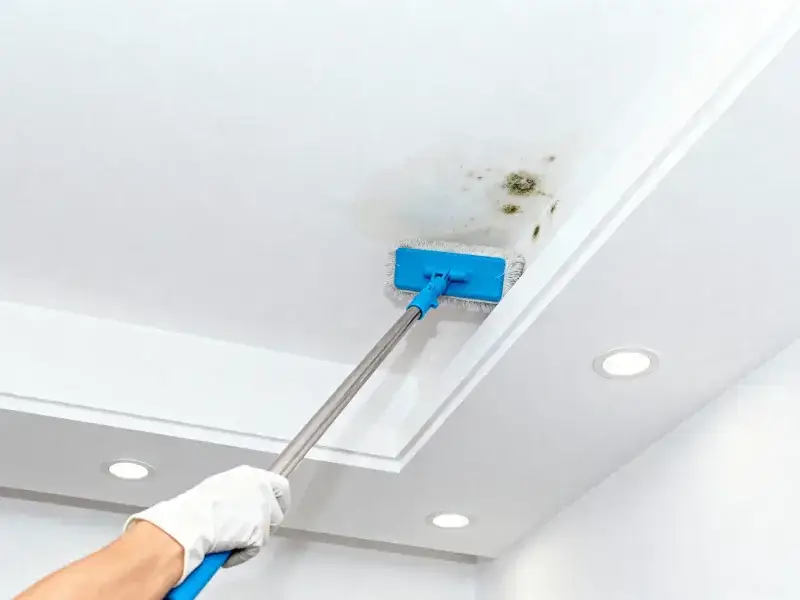
Proper mold removal safety precautions require N-95 respirators, gloves, and eye protection to prevent inhalation and skin contact. Individuals with allergies, immune suppression, or lung disease should never participate in cleanup. VIP Restoration provides professional mold remediation services in Sacramento, ensuring safe containment and thorough removal for affected properties.
Key Takeaways
-
N-95 respirators, gloves, and eye protection prevent inhalation and skin contact during mold removal.
-
Individuals with allergies, immune suppression, or lung disease should never participate in mold cleanup.
-
Disturbing contaminated materials releases spores into the air, creating the exposure homeowners try to eliminate.
-
Containment barriers, air filtration, and proper personal protective equipment prevent spore spread to unaffected rooms.
What makes mold removal safety so critical?
Mold removal presents direct health and injury risks during cleanup activities. The CDC’s Mold Clean Up Guidelines confirm these dangers exist whether the water source is a small leak or a major flood. Without proper safety precautions, property owners face respiratory harm, allergic reactions, and exposure to hazardous contaminants that spread quickly through indoor environments.
Who should avoid mold cleanup entirely?
Certain individuals face severe health consequences from mold exposure and must never participate in remediation work. The CDC identifies three high-risk groups: people with allergies who show heightened sensitivity to molds, individuals with immune suppression or underlying lung disease who carry elevated risk of fungal infections, and those with chronic respiratory diseases like asthma or chronic obstructive pulmonary disease. These occupants should vacate affected areas and leave all cleanup to trained professionals.
What health effects does mold exposure cause?
Exposure to mold triggers a variety of health effects and symptoms, including allergic reactions. NC State University’s Environmental Health and Safety guidelines document these risks clearly. The danger compounds when property owners attempt removal without understanding that mold grows on wood, paper, carpet, foods, and insulation wherever moisture is present. Disturbing contaminated materials releases spores into the air. Breathing those spores during cleanup creates the very exposure homeowners are trying to eliminate.
Professional restoration teams follow strict Mold Removal Safety Precautions that include containment barriers, air filtration, and proper personal protective equipment. Homeowners who skip these protocols risk spreading contamination to unaffected rooms. Identifying signs of mold early helps property owners decide when professional intervention becomes necessary. The company’s restoration process stabilizes affected areas first, then proceeds with controlled remediation that protects occupant health throughout every phase.
What PPE do you need for safe mold removal?
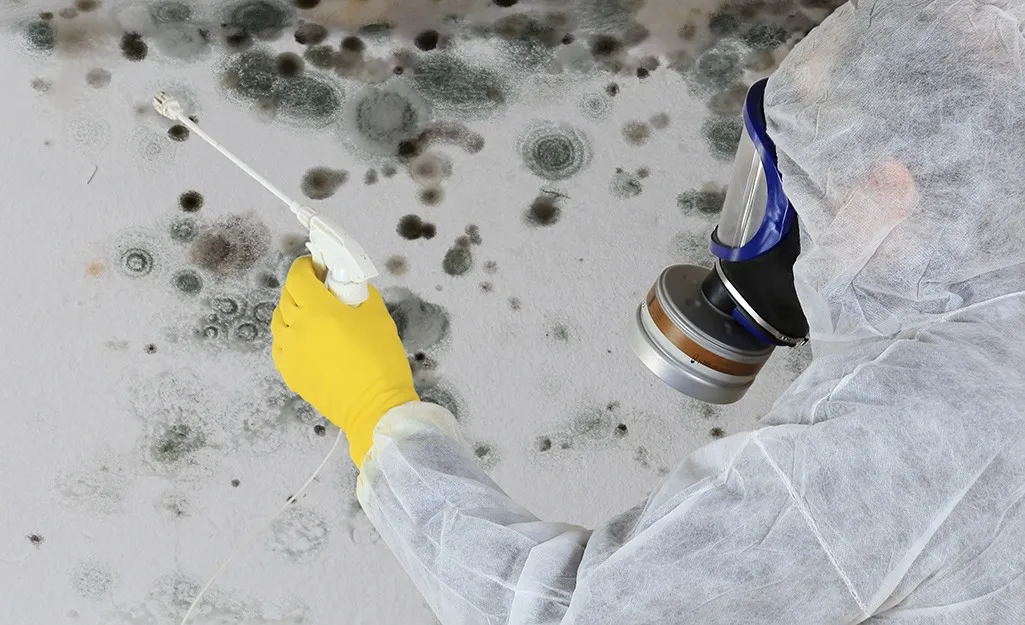
Safe mold removal demands full-body protection. Mold spores cause respiratory damage, skin irritation, and eye injury when protective equipment is absent. The Centers for Disease Control and Prevention advises taking steps to protect the mouth, nose, skin, and eyes during any mold cleanup activity. Without proper gear, homeowners and property managers risk inhaling toxic mycotoxins from species like aspergillus and black mold, as noted by Safety Matters Weekly.
What protective equipment prevents mold spore inhalation?
An N95 respirator or half-face respirator with P100 filters blocks airborne mold spores from entering the lungs. Standard dust masks fail to provide adequate filtration. Safety Matters Weekly emphasizes that proper PPE prevents breathing mold spores during cleanup work. The respirator must form a tight seal against the face. Goggles without ventilation holes protect eyes from both spores and cleaning chemical splashback.
How should skin be protected during mold cleanup?
Long rubber gloves extending to the mid-forearm prevent direct contact with mold and cleaning agents. Disposable coveralls or clothing that can be immediately laundered after the job keeps spores from spreading to other areas of the home. Safety Matters Weekly also stresses that workers must determine whether a surface is non-porous and can be thoroughly cleaned or whether the affected material requires complete removal to stop spore dispersal.
For extensive contamination, VIP Restoration provides professional mold inspection and remediation services with certified teams. The company’s technicians arrive with commercial-grade PPE, containment equipment, and the training to assess porous versus non-porous surfaces accurately. This expertise eliminates the guesswork that leads to incomplete cleanup and recurring mold problems.
How do you contain mold and prevent spore spread?
Containing mold and preventing spore spread starts with immediate action to isolate the affected area. Emergency mitigation and containment involve taking immediate action to prevent further damage. Without rapid containment, airborne spores migrate to uncontaminated rooms, multiplying cleanup costs and health risks for building occupants.
The process begins with a structured clean-up plan. A clean-up plan involves looking at how to control the source of moisture and prevent spore migration. When excessive moisture accumulates in buildings or on building materials, mold growth will often occur, particularly if the moisture problem remains undiscovered or unaddressed. Stopping the water source is the non-negotiable first step.
What containment methods stop mold spores from spreading?
Physical barriers create the primary defense against spore migration. Technicians seal doorways and vents with heavy-gauge polyethylene sheeting. Negative air pressure machines then pull contaminated air outside, preventing spores from drifting into clean zones. These measures work together to trap particles at the source.
How does professional remediation differ from DIY containment?
Professional teams follow a clear, phased sequence. VIP Restoration follows a clear process: emergency stabilization, targeted mitigation, then remediation and reconstruction. This structured approach ensures containment holds throughout every phase. Homeowners attempting DIY cleanup often skip critical containment steps, inadvertently spreading spores through HVAC systems and foot traffic. Professional-grade equipment and protocols deliver containment that temporary plastic sheeting cannot match. For a deeper look at the methods professionals use, review these professional mold remediation techniques.
Mold Removal Safety Precautions demand that containment precedes any disturbance of moldy materials. Disturbing colonies without barriers releases concentrated spore clouds. The remediation team establishes containment zones, dons full protective equipment, and only then begins removal. This sequence protects both the workers and the property’s unaffected areas from cross-contamination.
Which cleaning methods and chemicals are safe?
Safe mold removal depends on matching the cleaning method to the surface type and contamination level. Non-porous materials tolerate wet cleaning and disinfectants. Porous materials often require removal and replacement because mold penetrates beneath the surface where cleaning cannot reach.
What cleaning solutions work on non-porous surfaces?
A simple detergent-and-water solution effectively cleans mold from hard, non-porous materials like glass, metal, and sealed countertops. Scrubbing with a brush or sponge lifts the mold from the surface. After cleaning, applying a disinfectant kills remaining spores. Restoration and repair work includes performing all necessary repairs and thorough cleaning to return the property to its original condition.
When should porous materials be removed instead of cleaned?
Porous items like drywall, carpet, insulation, and ceiling tiles absorb moisture deeply. Mold roots grow into these materials, making surface cleaning ineffective. These materials should be cut out, bagged, and discarded. Mold and other molds contain dangerous mycotoxins that can make cleanup workers very sick, as noted in the Weekly Safety Meeting on Mold Cleanup and Remediation. The proper PPE must be used and precautions taken to prevent breathing mold spores during cleanup work.
What disinfectants are appropriate after cleaning?
Household bleach solutions, commercial fungicides, or hydrogen peroxide-based products work as disinfectants on cleaned, non-porous surfaces. Bleach should never be mixed with ammonia or other cleaners. The area must be completely dry before applying any disinfectant. Final inspection and customer satisfaction ensure that the property meets safety and quality standards before the project is completed.
How does professional restoration handle chemical selection?
VIP Restoration provides professional restoration services, focusing on fast response and thorough care. The company selects cleaning agents and biocides based on the mold species present, the surface material, and the extent of contamination. Occupant safety drives every product choice. Technicians contain work areas, use HEPA filtration, and verify that no hazardous residues remain after treatment.
When should you call a professional for mold removal?
Mold removal turns dangerous when the affected area exceeds 10 square feet. Professional intervention also becomes essential the moment HVAC systems or structural materials show contamination. Delaying that call risks spreading spores through the entire property and exposing occupants to mycotoxins that trigger severe respiratory reactions.
What health conditions make DIY mold cleanup unsafe?
Individuals with allergies, asthma, or immune suppression face significant health risks from mold exposure. The CDC advises that these groups avoid cleanup entirely. Chronic lung disease elevates the danger further, turning a routine remediation into a medical hazard.
How does hidden mold change the safety equation?
Mold growing inside wall cavities, under flooring, or within ductwork releases spores into living spaces continuously. Occupants breathe those contaminants without visible signs of a problem. Professional assessment identifies the full extent of damage that surface inspection misses.
VIP Restoration delivers comprehensive restoration services that focus on stabilizing affected areas, protecting occupant health, and restoring properties to clean, functional conditions. The company differentiates itself with rapid emergency response, often within two hours, paired with proactive daily communication during critical periods. That speed prevents moisture from driving mold deeper into porous materials.
Property owners facing large-scale contamination need more than cleaning products. They need containment, air scrubbing, and structural drying performed under controlled conditions. VIP Restoration works with all insurance companies, helps clients navigate claims, and backs reconstruction with a one-year warranty. For homes with persistent moisture problems, the company’s residential mold removal services address root causes rather than surface symptoms.
Mold Removal Safety Precautions demand proper PPE, negative air pressure, and sealed work zones. Without those controls, disturbed spores migrate to unaffected rooms. Professional teams follow OSHA guidelines for containment and disposal, eliminating the cross-contamination that makes amateur efforts backfire.
FAQ
What PPE do I need for safe mold removal?
N-95 respirators, gloves, and eye protection prevent inhalation and skin contact during mold removal.
How large does a mold problem need to be before I call a professional?
Mold removal turns dangerous once the affected area exceeds 10 square feet, or when HVAC systems or structural materials show contamination. At that point, professional assessment and remediation should replace DIY cleanup.
Can I clean mold myself if I don’t have any health conditions?
Small amounts of mold on non-porous surfaces like glass, metal, or sealed countertops can often be cleaned with detergent and a disinfectant while wearing proper PPE. Porous materials such as drywall, carpet, and insulation usually need to be removed rather than cleaned, so an inspection helps determine the safest approach.
What should I do before I start cleaning mold?
Stop the source of moisture first, then seal off the work area with plastic sheeting and put on an N-95 or P100 respirator, goggles, and long rubber gloves before disturbing any mold-affected materials. This keeps spores from spreading to the rest of the home.
How fast does VIP Restoration respond to mold emergencies?
VIP Restoration provides rapid emergency response, often within two hours, and works with all insurance companies to help property owners navigate the remediation process from stabilization through reconstruction.
Conclusion
Mold removal safety precautions exist to protect occupants and prevent cross-contamination, not to complicate the process. When the affected area exceeds 10 square feet, when HVAC systems or structural materials show contamination, or when household members have allergies, asthma, or immune suppression, professional intervention becomes the only safe path forward. Property owners facing these conditions need containment, air scrubbing, and structural drying performed under controlled conditions, not cleaning products alone.
Call VIP Restoration to schedule a professional mold inspection and get a safe, structured remediation plan in place.