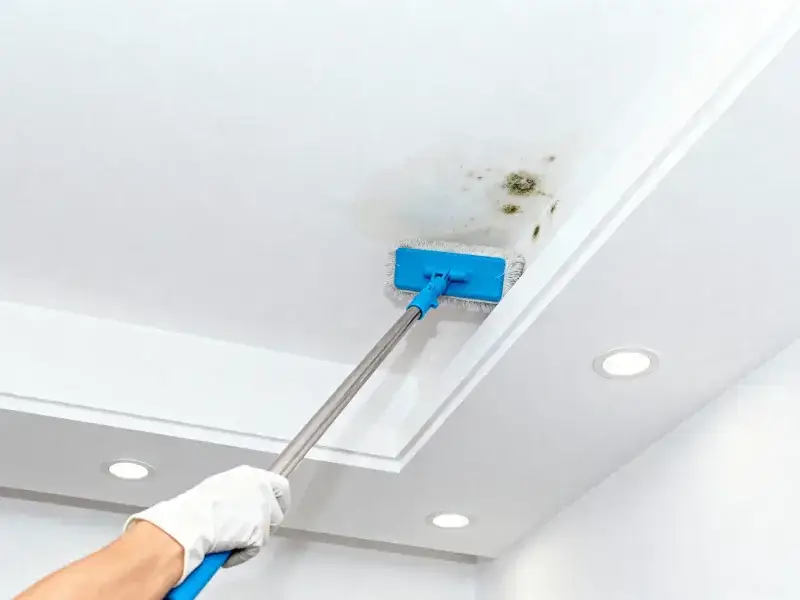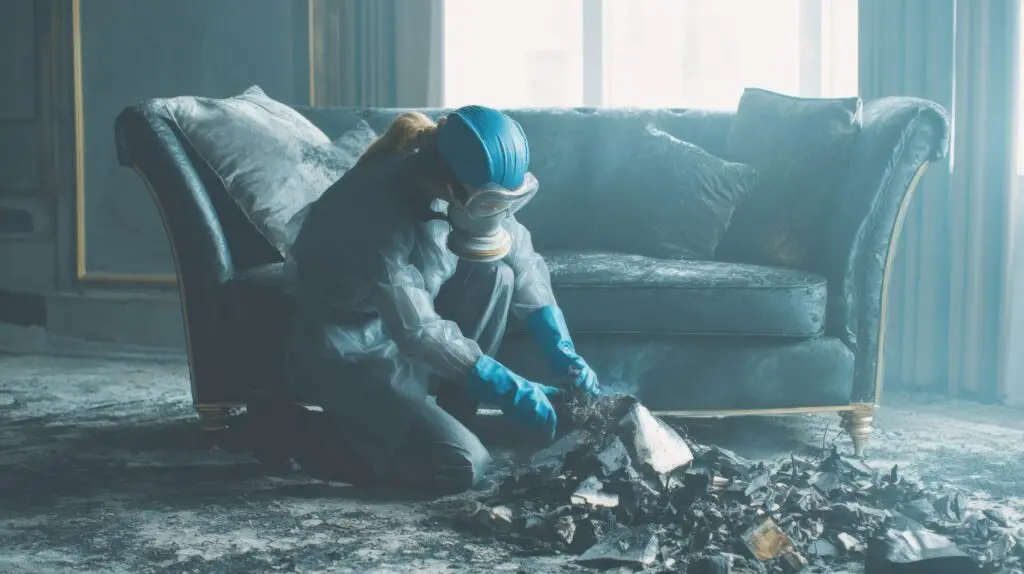
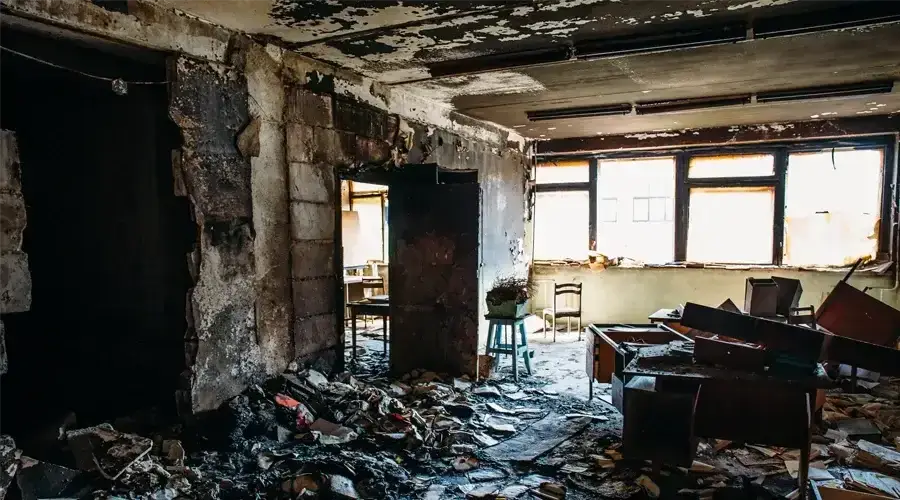
A professional smoke damage assessment identifies hidden residues and persistent odors that cause ongoing structural harm and health risks. VIP Restoration’s crew arrives within two hours to evaluate every affected surface. Smoke Damage Restoration Assessment prevents costly long-term repairs and ensures complete restoration, protecting the safety and integrity of Sacramento properties.
Key Takeaways
-
A professional assessment identifies hidden residues and persistent odors that cause ongoing structural harm and health risks.
-
Specialized equipment like thermal imaging cameras and moisture meters reveals damage inside wall cavities and trapped moisture.
-
The evaluation prevents permanent material loss, structural compromise, mold proliferation, and escalating restoration costs.
-
Detailed documentation from the assessment accelerates insurance claims by giving adjusters the evidence needed for approval.
What is a smoke damage restoration assessment?
A smoke damage restoration assessment is a detailed inspection that identifies both visible and hidden damage after a fire. The evaluation sets the restoration plan and determines the full scope of work needed to return a property to safe, livable condition. Without this critical first step, property owners risk overlooking contamination that continues degrading surfaces and air quality for months after the flames are out.
The process goes far beyond a visual walkthrough. Smoke and soot often leave behind hidden residues and persistent odors that continue to damage surfaces and reduce indoor air quality over time. Technicians use specialized equipment like thermal imaging cameras and moisture meters to identify areas not visible to the naked eye. These tools reveal heat damage inside wall cavities, moisture trapped from firefighting efforts, and soot particles embedded in porous materials.
What does the assessment look for?
The inspection targets several categories of damage simultaneously:
-
Visible soot and charring on walls, ceilings, floors, and contents
-
Hidden smoke residues inside ductwork, behind drywall, and within insulation
-
Moisture intrusion from fire suppression that creates mold risks
-
Structural compromise affecting framing, support beams, and load-bearing elements
-
Odor sources that simple surface cleaning cannot eliminate
How long does a professional assessment take?
A thorough evaluation requires a dedicated block of time on site. Technicians document every finding with photographs and moisture readings. The resulting report becomes the foundation for the restoration scope, insurance documentation, and the timeline for returning occupants to the property. A professional smoke damage assessment follows a structured protocol that leaves no surface uninspected.
Skipping this step creates compounding problems. Residues left untreated etch into glass, corrode metal fixtures, and permanently discolor painted surfaces. Odors absorbed into porous materials resurface whenever humidity rises. The assessment catches these threats before they become irreversible.
How does an assessment prevent hidden damage?
A professional smoke damage restoration assessment uncovers destruction that property owners cannot see. Smoke particles travel through wall cavities, ductwork, and subfloor spaces long after visible flames disappear. Without a systematic evaluation, these concealed threats continue degrading materials and air quality. The assessment identifies what remains hidden before it spreads further.
What hidden problems does smoke create behind walls?
Smoke particles travel throughout an entire structure, and soot settles in hidden spaces where it causes ongoing corrosion and staining. During a fire, pressurized smoke forces its way into electrical outlets, plumbing chases, and attic insulation. Moisture left behind by firefighting efforts accelerates chemical reactions that etch glass and pit metal surfaces. An assessment maps these invisible pathways and determines which wall sections require opening for cleaning or replacement.
How quickly does secondary damage begin after a fire?
Secondary damage begins within hours. Soot residue is acidic. It etches surfaces permanently if left untreated. Delaying fire cleanups permanently ruins belongings and leads to longer, more expensive restoration processes. House fires spark structural damage and mold growth, making homes unsafe without proper repairs. The assessment catches these issues early. Quick evaluation prevents cosmetic staining from becoming permanent structural deterioration.
Property owners face four compounding consequences when hidden smoke damage goes undetected:
-
Permanent material loss: Soot stains become irreversible on porous surfaces like drywall, textiles, and unfinished wood
-
Structural compromise: Weakened framing and subflooring develop from prolonged chemical exposure and trapped moisture
-
Mold proliferation: Water-soaked cavities create ideal conditions for fungal growth
-
Escalating restoration costs: Ignoring smoke damage leads to costly repairs, long-term structural issues, and health risks from airborne contaminants
The assessment serves as a diagnostic protocol. It identifies contaminated zones, measures contamination depth, and establishes the scope of remediation required. Technicians use moisture meters, thermal imaging, and chemical testing to confirm whether cavities that look dry actually harbor corrosive residues. This prevents homeowners from discovering damage months later through peeling paint, persistent odors, or sudden respiratory symptoms.
Can an assessment speed up insurance claims?
A professional Smoke Damage Restoration Assessment accelerates the insurance claims process. Detailed documentation from a certified restoration company gives adjusters exactly what they need to approve coverage faster.
Insurance carriers require specific evidence before releasing funds. Photographs of soot patterns, moisture readings, and itemized damage inventories form the backbone of every claim. Without this documentation, adjusters delay decisions. They request additional inspections. They question the scope of work. A thorough assessment eliminates these roadblocks from the start.
What documentation does an insurer need after smoke damage?
Insurers expect a complete record of affected materials, contamination levels, and recommended remediation steps. The assessment report includes thermal imaging results, air quality samples, and a line-by-line scope of repair. This level of detail matches what adjusters use to calculate payouts. Missing information stalls the process. Complete documentation moves it forward.
How does a restoration company interact with the adjuster?
VIP Restoration works directly with the adjuster on the property owner’s behalf. The company documents every detail and helps guide the claim from the first call to the final repair. Carriers receive the assessment report, photos, and estimates in a format they recognize. This coordination reduces back-and-forth communication. It also prevents coverage disputes that arise when damage goes undocumented.
The company works with all insurance companies and walks clients through the claim step by step. Daily updates keep property owners informed while the residential fire and smoke damage restoration work proceeds. A professional assessment transforms a slow, uncertain claims process into a structured, predictable one. Adjusters process claims efficiently when they receive verified, third-party documentation from the first inspection.
What air quality risks does an assessment uncover?
A smoke damage restoration assessment identifies airborne hazards that persist long after visible flames disappear. Smoke particles travel throughout an entire structure, soot settles in hidden spaces, and moisture left behind from firefighting efforts creates additional concerns if not addressed promptly. These invisible threats degrade indoor environments and pose health risks to occupants.
How do hidden smoke residues affect breathing?
Microscopic particles embed themselves in carpets, upholstery, and ductwork. Each time the HVAC system cycles, those contaminants recirculate through living spaces. Occupants inhale fine particulate matter that irritates respiratory systems, particularly affecting children, elderly residents, and individuals with asthma.
What happens when firefighting moisture goes untreated?
Moisture left behind from firefighting efforts can create additional air quality concerns if not addressed promptly. Standing water and saturated materials fuel mold colonies quickly. Mold spores then become airborne, compounding the contamination already present from smoke and soot. A thorough assessment maps both the obvious fire damage and these secondary moisture threats before they escalate.
Professional restoration addresses the full scope of contamination. The process includes removing soot, treating smoke odor, and restoring a safe, clean environment. Understanding the smoke damage restoration process helps property owners recognize why surface cleaning alone cannot resolve deep-seated air quality problems. Without expert evaluation, property owners risk long-term structural deterioration and recurring respiratory complaints from occupants.
Why is a professional assessment better than DIY?
A professional smoke damage restoration assessment identifies hidden contamination that household cleaning cannot detect. Smoke particles penetrate wall cavities, ductwork, and insulation within hours, creating hazards invisible to the naked eye. Without specialized evaluation, property owners miss damage that continues corroding surfaces and degrading air quality long after the fire is out.
What hidden damage does a professional assessment uncover?
Smoke residue embeds itself in porous materials and behind structural barriers. Professionals use moisture meters, thermal imaging, and chemical testing to map contamination depth. A visual inspection alone overlooks acidic soot trapped inside HVAC systems or beneath flooring. These undetected deposits release odors and irritants for months.
How quickly does professional evaluation prevent worsening damage?
Speed determines the extent of secondary loss. A trained crew typically arrives on site within two hours of the initial call. That rapid deployment halts soot migration and corrosion before permanent etching sets in. Delays allow smoke acids to bond with glass, metal, and stone, turning cleanable residue into irreversible staining.
Professional restoration addresses every stage of recovery while reducing delays that lead to more costly repairs. Advanced restoration techniques and commercial-grade equipment remove contaminants that household vacuums and detergents spread rather than eliminate. The process includes air scrubbing, thermal fogging, and controlled demolition of unsalvageable materials. Each step follows industry protocols that prevent cross-contamination between affected and unaffected areas. Homeowners attempting DIY cleanup risk pushing soot deeper into fabrics and drywall, compounding the original damage. A structured assessment also documents every finding for insurance claims, creating a clear record that supports full coverage. Without that documentation, property owners shoulder repair costs that professional evaluation would have captured.
FAQ
Why does a professional smoke damage assessment matter?
A professional assessment identifies hidden residues and persistent odors that cause ongoing structural harm and health risks. It prevents costly long-term repairs and ensures complete restoration for Sacramento properties.
What equipment does the assessment use?
Technicians use thermal imaging cameras and moisture meters to reveal heat damage inside wall cavities, trapped moisture, and soot particles embedded in porous materials.
How does the assessment help with insurance claims?
Detailed documentation from the assessment accelerates insurance claims by giving adjusters the evidence needed for approval.
Conclusion
A professional smoke damage assessment turns an uncertain recovery into a structured process. It uncovers hidden contamination, prevents secondary damage from moisture and soot, and provides the documentation insurers require to process claims efficiently. Property owners who invest in expert evaluation avoid costly long-term repairs and protect occupant health. The next step is scheduling an inspection before smoke residues cause permanent harm.