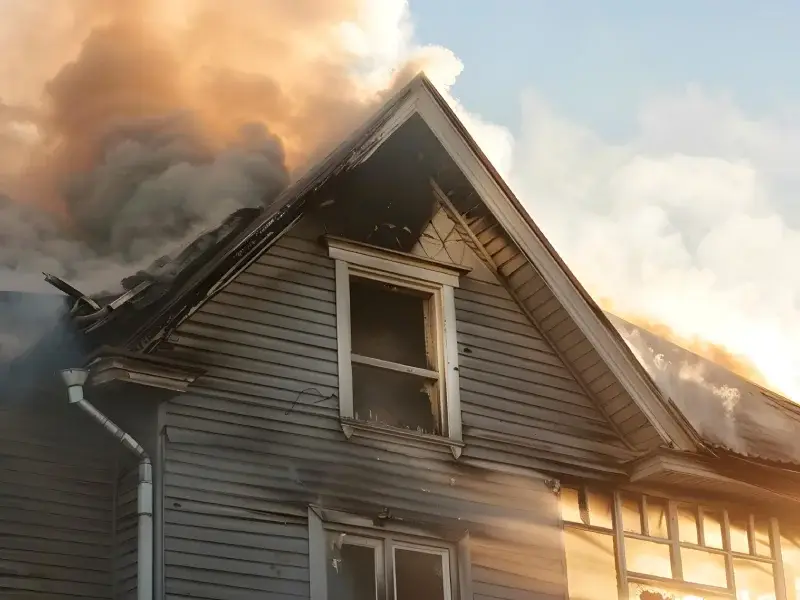
Common Causes of Fire Damage
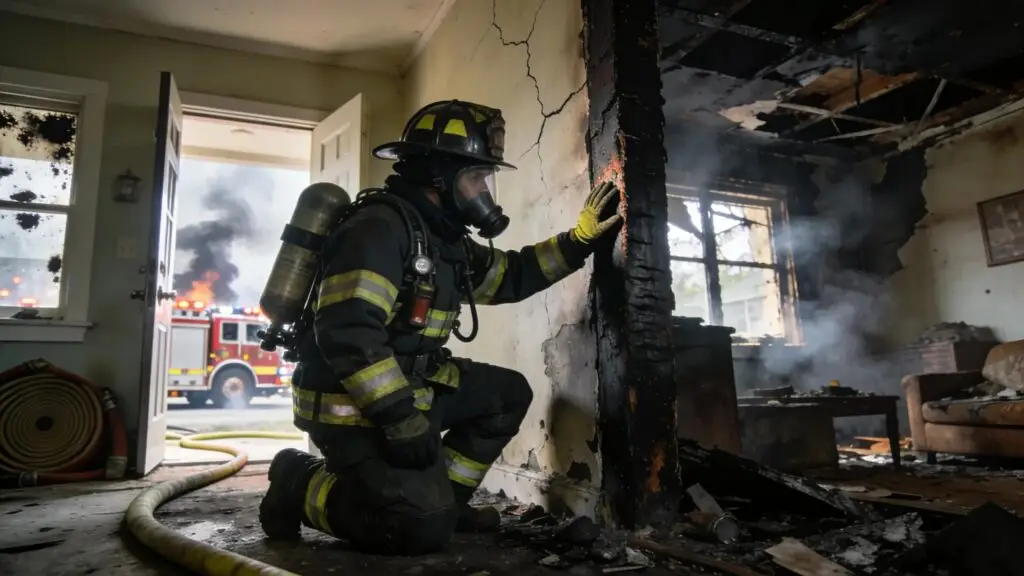
Understanding the common causes of fire damage is crucial for prevention and preparedness. Fires can originate from various sources, including electrical faults, cooking accidents, and heating equipment failures. By recognizing these potential hazards, property owners can take proactive measures to minimize the risk of fire incidents.
For instance, faulty wiring is a leading cause of residential fires. Regular inspections and updates to electrical systems can help mitigate this risk. Additionally, ensuring that smoke detectors are installed and functioning can provide an early warning, significantly reducing the chances of extensive damage or loss of life.
The Importance of Professional Fire Damage Restoration
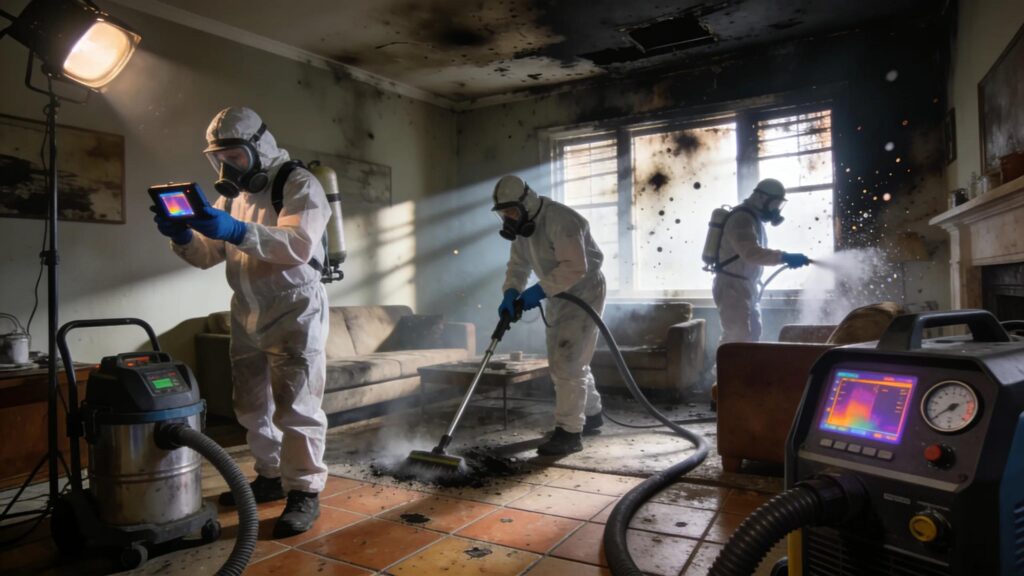
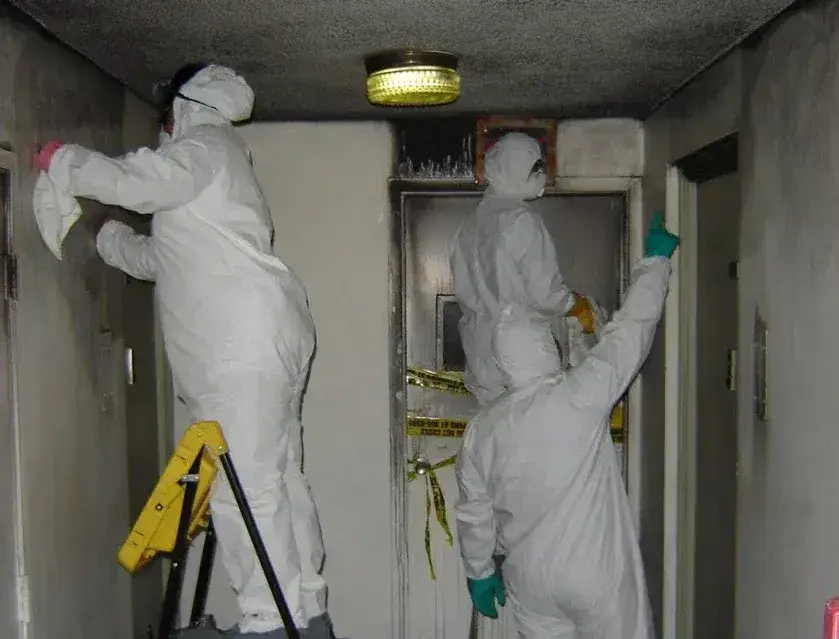
Engaging professional fire damage restoration services is essential for effective recovery after a fire incident. Experts in this field possess the necessary skills, equipment, and experience to handle the complexities involved in restoring properties to their pre-loss condition. They ensure that all damage is thoroughly assessed and addressed, which is vital for safety and long-term restoration.
Moreover, professional restoration services can also help in dealing with insurance claims. They provide detailed documentation of the damage and restoration process, which can facilitate smoother communication with insurance companies, ensuring that property owners receive the compensation they deserve for their losses.
Steps to Take Immediately After a Fire
Knowing the steps to take immediately after a fire can significantly impact the recovery process. First, ensure that everyone is safe and accounted for before re-entering the property. Once it's safe to do so, document the damage through photographs and notes, which can be invaluable for insurance claims and restoration assessments.
Additionally, it is crucial to contact fire damage restoration professionals as soon as possible. Prompt action can prevent further damage, such as water damage from firefighting efforts or the spread of smoke and soot. Taking these steps can help property owners regain control and start the recovery process efficiently.
Preventative Measures for Fire Safety
Implementing preventative measures for fire safety is essential to protect your home or business from potential fire hazards. This includes installing smoke alarms, maintaining fire extinguishers, and creating an emergency escape plan. Regular safety drills and awareness can prepare occupants for emergencies, minimizing panic and confusion during a fire.
Furthermore, educating all members of a household or workplace about fire safety practices can significantly reduce the likelihood of fire incidents. Simple actions, such as never leaving cooking food unattended and ensuring that flammable materials are stored safely, can make a substantial difference in fire prevention efforts.