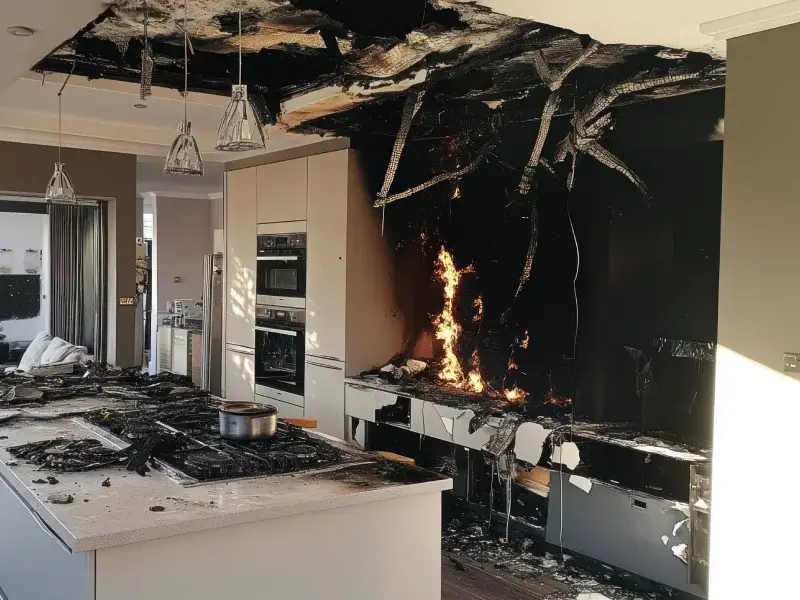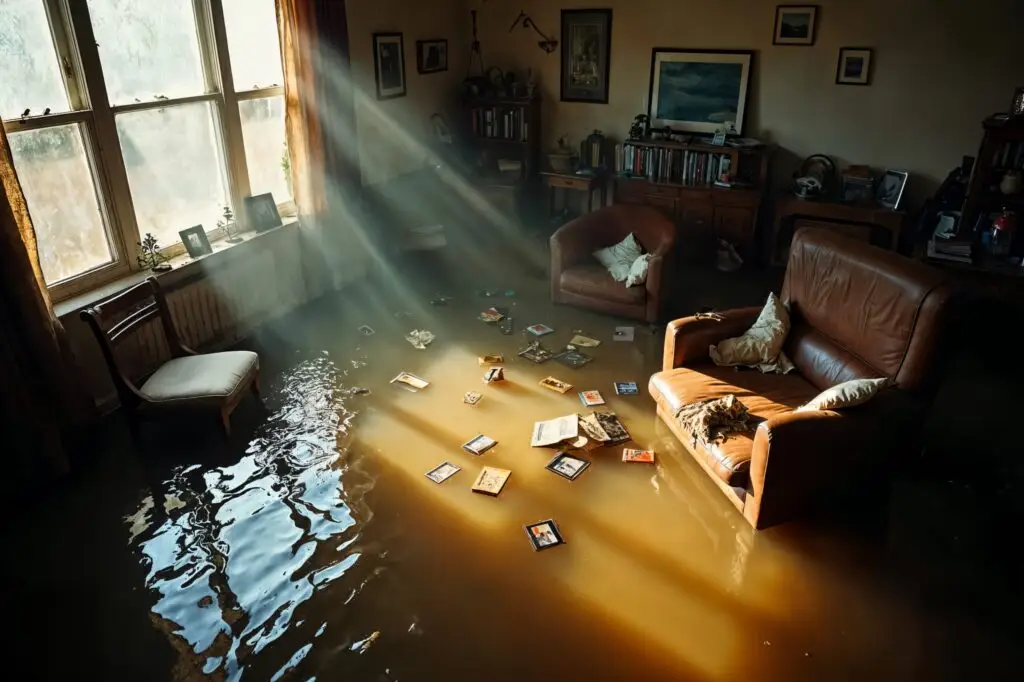
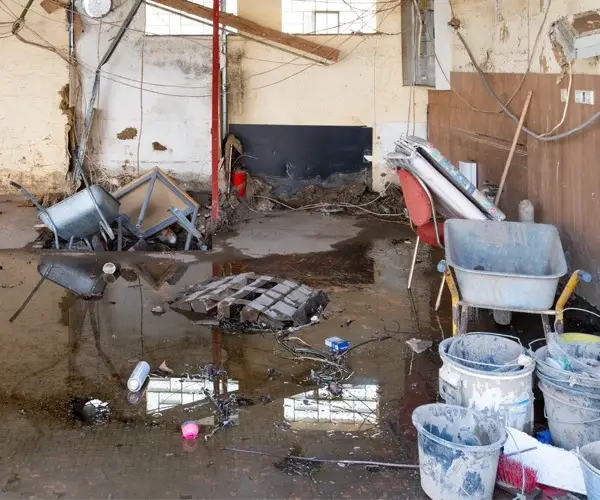
Certified technicians arrive on-site within two hours to begin a detailed inspection, identifying the water source, stopping active leaks, and checking for contamination. Moisture readings determine the water category and classification, establishing the scope of damage. Homeowners and property managers receive a clear action plan, daily updates, and coordinated drying before reconstruction begins under one roof.
Key Takeaways
-
VIP Restoration Inc. identifies and stops water sources immediately to prevent additional property damage.
-
Our detailed inspection determines the full scope of damage before developing your restoration plan.
-
We assess structural integrity and safety conditions throughout your Sacramento property during evaluation.
-
Professional damage assessment guides our restoration timeline and ensures comprehensive recovery of your home.
What Happens When Technicians Arrive First?
Certified technicians conduct an Emergency Water Damage Evaluation the moment they step onto the property. Sacramento crews typically reach the site within two hours of the initial call, a response window that matters because standing water does not wait. Every minute of delay raises the stakes: mold begins forming within 24 to 48 hours of an intrusion, and structural materials start weakening the longer moisture sits untreated.
The first walkthrough answers three questions before any equipment gets deployed:
-
Where is the water coming from, and has the source been stopped?
-
How far has moisture traveled into walls, flooring, and ceilings?
-
What category of contamination is present, and does it pose a health risk?
Technicians then document findings with moisture readings. Photos, creating a baseline the property owner and insurance adjuster can both reference.
Why does a fast evaluation matter for insurance claims?
Water damage drives close to 30 percent of all home insurance claims filed nationwide. An early, well-documented evaluation gives adjusters clear evidence of the loss and speeds approval. Property owners who skip this step often face disputes later over what caused the damage and when it started.
What should homeowners expect during the initial inspection?
Homeowners can expect technicians to move room by room, checking behind fixtures and beneath flooring where moisture hides. The process feels invasive at times, but thoroughness prevents hidden pockets of water from causing mold or rot weeks later. Property damage already feels overwhelming. A structured evaluation, paired with straightforward guidance on insurance next steps, gives homeowners a clear path forward instead of guesswork.
How Do Technicians Assess the Damage?
Certified technicians start with a detailed inspection that catches both visible and hidden damage throughout the property. This inspection sets the direction for everything that follows. Nothing gets patched or dried without a clear picture of what’s actually wrong first.
An Emergency Water Damage Evaluation begins the moment technicians arrive on-site. Rather than jumping straight to extraction equipment, the crew walks the affected areas, checks walls and flooring for saturation, and looks behind surfaces where water tends to hide. Scope comes before strategy. Technicians determine how far the damage has traveled. An appropriate plan of action can be built around the actual conditions, not guesswork.
What happens during the initial walkthrough?
Technicians document every affected room, noting moisture readings, material types, and any signs of structural stress. Photos and notes from this walkthrough become the foundation of the restoration plan. Property managers and homeowners typically receive a summary explaining what was found and why it matters.
Does the inspection cover more than the obvious wet areas?
Yes. Hidden damage behind drywall, under flooring, or inside cavities often causes more long-term harm than the visible puddles. A thorough evaluation catches these areas early, before moisture turns into mold or structural decay.
The assessment phase typically includes:
-
Moisture mapping across floors, walls, and ceilings
-
Identification of affected materials and their drying requirements
-
Documentation for insurance purposes
-
A written scope of work outlining next steps
Support doesn’t end once the inspection wraps up. Property owners receive guidance through every stage of the restoration process, from that first evaluation through final repairs, so nothing gets handled in isolation.
What Determines the Water Category and Class?
Two factors decide how technicians handle a water loss: the contamination level of the water and the rate at which the structure absorbs it. Certified crews assess both before touching a single wall or floorboard. Skipping this step risks using the wrong drying method, which can trap contaminants inside walls or prolong the drying timeline by days.
Before any category or class determination matters, the source of the water has to be found and shut off. Structural drying cannot begin while water keeps flowing into the property. This is the first move technicians make during an Emergency Water Damage Evaluation. Every later decision depends on stopping the leak first.
Why does the type of water matter so much?
Contamination level changes everything about the restoration approach. Clean water from a supply line calls for different tools and safety precautions than water carrying sewage or chemical residue. The category assigned to the water directly shapes which drying equipment, disinfectants, and removal methods technicians select for the job.
Water categories generally break down as follows:
-
Category 1 – Clean water from a broken supply line, posing minimal health risk.
-
Category 2 – Gray water, containing some contaminants, from sources like washing machines or dishwashers.
-
Category 3 – Black water, grossly contaminated, from sewage backups or floodwater.
For property managers overseeing larger buildings, this classification work happens fast. Teams equipped for large-scale projects know that misjudging contamination level slows recovery and increases downtime for tenants and occupants. Clear updates during this assessment phase keep owners informed at every turn, from the first walkthrough through final structural repairs.
How Does VIP Restoration Manage the Process?
VIP Restoration manages every water damage case through a structured sequence: rapid response, mitigation, and full reconstruction. Sacramento homeowners, property managers, and business owners facing a sudden pipe burst gain a single point of contact instead of a confusing chain of contractors. That structure matters most in the first hours after damage, when confusion costs time and money.
The company’s Sacramento-based team handles water, fire, mold, and trauma restoration under one roof, pairing rapid response with direct insurance coordination. Property owners dealing with flooding do not need to separately manage a mitigation crew, an insurance adjuster, and a reconstruction contractor. VIP Restoration coordinates those pieces internally, which keeps timelines tighter and reduces the paperwork burden on the client.
What happens after mitigation is complete?
Mitigation stops active damage, but the process does not end there. From the initial drying phase through final reconstruction, the company maintains clear daily communication and expert guidance. Property owners always know what stage their project has reached. This continuity limits the stress that typically builds when repairs stretch across multiple weeks.
Why does experience matter during an Emergency Water Damage Evaluation?
An Emergency Water Damage Evaluation determines how deep the damage runs and what repairs the property actually needs. With more than 40 years of combined experience, VIP Restoration’s team has refined that evaluation process across a wide range of Sacramento properties.
That track record shapes how the company operates day to day:
-
Clear communication from first contact through project closeout
-
Coordinated scheduling across mitigation, remediation, and rebuild phases
-
Insurance coordination handled alongside the physical restoration work
-
Consistent daily updates during active projects
Decades of combined field experience have made the team a trusted partner for property owners across the greater Sacramento area, whether the loss involves a single flooded room or an entire commercial floor.
What Should Homeowners Do After Evaluation?
Homeowners should follow the technician’s action plan immediately, since prompt cooperation shortens drying time and limits secondary damage. Any water event, whether a burst pipe or a slow roof leak, requires professional cleanup and structural drying to prevent long-term problems. Waiting rarely helps and often makes the fix more involved.
Once the crew documents the damage and outlines next steps, homeowners face an insurance conversation many dread. That process becomes far less stressful with the right support in place.
Who Handles the Insurance Claim?
VIP Restoration works with all insurance companies and walks homeowners through the claim step by step. That guidance removes much of the guesswork around documentation, adjuster communication, and coverage questions. Homeowners aren’t left decoding policy language alone during an already chaotic week.
What Happens While Repairs Are Underway?
Clients receive daily updates throughout the drying and reconstruction phases, so nothing feels like a black box. Every reconstruction project also carries a one-year warranty, giving homeowners a documented guarantee on the finished work. That combination of steady communication and written protection builds real confidence during a stressful stretch.
Beyond the paperwork, homeowners benefit simply from knowing what the restoration process involves. That knowledge supports faster, more confident decisions and quicker action when water damage strikes. A few practical steps help after evaluation wraps up:
-
Keep copies of the technician’s damage report and photos for insurance records.
-
Confirm the drying timeline and ask when equipment checks will occur.
-
Save contact information for daily-update calls or texts.
-
Review the warranty terms before reconstruction begins.
Staying engaged at each stage keeps the recovery on track and the property protected.
FAQ
How fast does VIP Restoration respond to a water damage emergency?
VIP Restoration’s certified technicians arrive on-site within two hours of the initial call to Sacramento properties. This quick response limits mold growth, which begins within 24 to 48 hours of water intrusion.
What do technicians check during the first walkthrough?
Technicians identify the water source, confirm active leaks are stopped, and check for contamination. They also measure how far moisture traveled into walls, flooring, and ceilings, documenting findings with photos and moisture readings.
Why does the evaluation matter for filing an insurance claim?
A fast, documented evaluation gives adjusters clear evidence of the loss and speeds claim approval. Skipping this step often leads to later disputes over what caused the damage and when it started.
Conclusion
In closing, understanding the emergency water damage evaluation process empowers you to make informed decisions during a critical time. By knowing what to expect—from initial assessment through documentation. Mitigation planning—you reduce uncertainty and take control of your property’s recovery. A thorough, professional evaluation forms the foundation for effective restoration, protecting both your home’s structural integrity and your insurance claim. When you’re ready to move forward, expert guidance and transparent communication ensure your property returns to safe, livable condition.
Call VIP Restoration at (916) 394-1080 to schedule your emergency water damage evaluation and get a Sacramento-based team on-site quickly.