10 Critical Warning Signs of Mold Growth in Your Home
Mold growth in residential settings can produce significant health effects and structural damage; early recognition is therefore essential. This guide identifies ten primary indicators of mold presence, summarizes associated health risks, and outlines recommended inspection and prevention protocols. Mold proliferates in damp conditions and frequently remains undetected until infestation is advanced. Proactive monitoring and informed remediation reduce risk to property and occupants. The following sections address key signs of mold, exposure-related health impacts, inspection methodologies, and long-term mitigation strategies.
The financial burden of residential mold contamination is substantial and affects millions of households annually.
Residential Mold Contamination: Health, Economic & Property Damage
Residential mold contamination constitutes a persistent environmental health and economic challenge affecting millions of households worldwide. In the United States, direct and indirect costs have been estimated between $3.5 billion and $10 billion annually. Despite increasing awareness of mycotoxin-related health risks and widespread property damage, residential management practices remain fragmented, reactive, and economically suboptimal.
RESIDENTIAL MOLD AND MYCOTOXIN CONTAMINATION, 2026
What Are the Top 10 Early Signs of Mold Growth in Residential Properties?
Early detection of mold is essential to effective remediation. Homeowners should monitor for the following indicators:
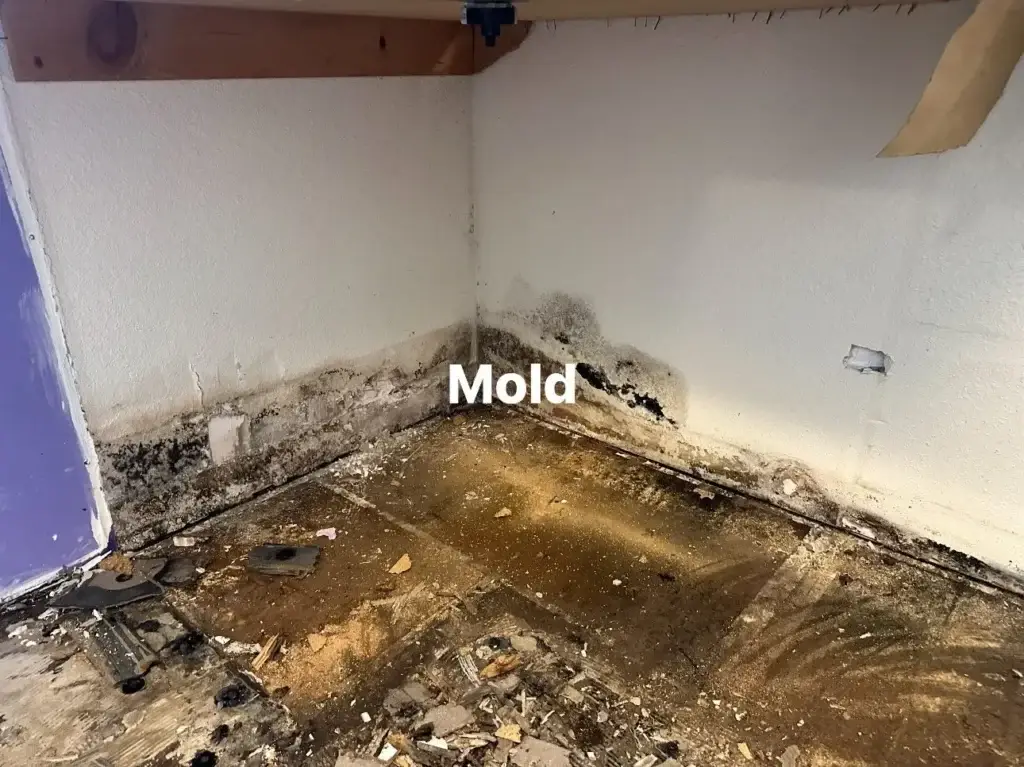
- Visible Mold Growth: Look for patches of mold on walls, ceilings, and other surfaces.
- Musty Odors: A persistent, musty smell often indicates hidden mold.
- Water Stains: Discoloration on walls or ceilings can signal moisture issues conducive to mold growth.
- Condensation: Excess moisture on windows or walls can lead to mold.
- Peeling Paint or Wallpaper: This can be a sign of moisture buildup behind surfaces.
- Warped or Buckled Flooring: Changes in flooring can indicate underlying moisture problems.
- Increased Allergies or Respiratory Issues: Unexplained health symptoms may be linked to mold exposure.
- Frequent Illness: Recurrent respiratory infections can be a sign of mold in the home.
- Visible Water Damage: Any signs of leaks or water intrusion should be investigated.
- High Humidity Levels: Consistently high humidity can create an environment for mold growth.
How to Identify Visible Mold and Discoloration on Surfaces
Perform systematic visual inspections in moisture-prone areas such as bathrooms, kitchens, and basements. Inspect walls, ceilings, and floors for discoloration or colony formation, which commonly presents as black, green, or white patches. Use a flashlight to examine concealed corners and voids. When visual evidence is inconclusive or contamination is suspected beyond visible areas, consider engaging a professional for a detailed assessment using specialized detection tools.
What Are Common Odors Indicating Hidden Mold Presence?
Persistent musty odors frequently indicate concealed mold activity; these odors result from microbial volatile organic compounds emitted by mold colonies and are typically more pronounced in enclosed or poorly ventilated spaces. A sustained musty smell justifies targeted investigation for growth behind surfaces or beneath flooring. Remediation of the odor source reduces the potential for continued colonization.
Which Health Risks Are Associated with Mold Exposure in Homes?
Exposure to mold can produce a range of adverse health effects, particularly among sensitive populations. Recognition of these risks is essential for homeowners.
What Symptoms Indicate Mold-Related Allergies or Respiratory Issues?
Common allergic responses to mold include sneezing, coughing, nasal congestion, and conjunctival irritation. Individuals with asthma may experience exacerbations, including increased wheezing and shortness of breath. Extended exposure has been associated with more severe pulmonary conditions, such as chronic bronchitis and opportunistic lung infections. Occupants exhibiting these symptoms should evaluate their dwelling for potential mold contamination.
Research further underscores the health threats posed by specific mold species and associated mycotoxins.
Black Mold Health Hazards & Symptoms in Damp Indoor Spaces
Black mold comprises fungal taxa that can produce mycotoxins capable of entering the body via inhalation, dermal contact, or ingestion of contaminated food. This fungus favors damp, dark environments and can cause respiratory irritation—cough, rhinorrhea, sore throat, or difficulty breathing—and dermatological effects such as rashes and itching. This review examines environmental exposure, vulnerable populations, health effects, and remediation strategies; the literature indicates frequent exposure to black mold in damp indoor spaces.
Understanding The Health Hazards Of Black Mold: An Overview Of Environmental And Population-Based Risks, MF Ramadhansyah, 2025
Who Are the Vulnerable Groups Most Affected by Mold Exposure?
Specific populations exhibit increased susceptibility to adverse effects from mold exposure. They include:
- Children: Their developing respiratory systems make them more susceptible to mold-related health issues.
- Seniors: Older adults may have weakened immune systems, increasing their risk of complications from mold exposure.
- Individuals with Asthma: Those with pre-existing respiratory conditions are at a higher risk for severe reactions to mold.
How Can Homeowners Conduct an Effective Mold Inspection?
A comprehensive mold inspection is essential to identify and remediate contamination effectively.
What Tools and Techniques Are Used in Professional Mold Detection?
Professional inspectors employ a range of diagnostic instruments and methods to detect mold, including:
- Moisture Meters: These devices measure moisture levels in walls and other surfaces, helping identify areas at risk for mold growth.
- Infrared Cameras: These cameras can detect temperature differences that may indicate hidden moisture and mold.
- Air Sampling: Collecting air samples can help identify the presence of mold spores in the environment.
How to Use a Mold Inspection Checklist for Comprehensive Assessment?
A structured inspection checklist facilitates a systematic assessment. Core steps include:
- Preparation: Gather necessary tools, such as a flashlight, moisture meter, and checklist.
- Visual Inspection: Check all areas of the home, focusing on high-risk zones like bathrooms and basements.
- Documentation: Record any signs of mold, moisture, or water damage for future reference.
- Follow-Up: If mold is detected, consider contacting a professional for remediation.
When Should You Engage Professional Mold Removal Services?
Determining when to retain professional remediation services is critical for effective and safe mold abatement.
What Are the Limitations of DIY Mold Remediation?
Homeowners may attempt limited DIY remediation, but this approach has constraints. DIY methods often fail to remove all spores in extensive infestations and improper techniques can disperse spores to unaffected areas, worsening contamination. For significant mold issues or occupant health concerns, it is advisable to engage professional services to ensure controlled and comprehensive removal.
How Do Restoration Services Ensure Safe and Complete Mold Removal?
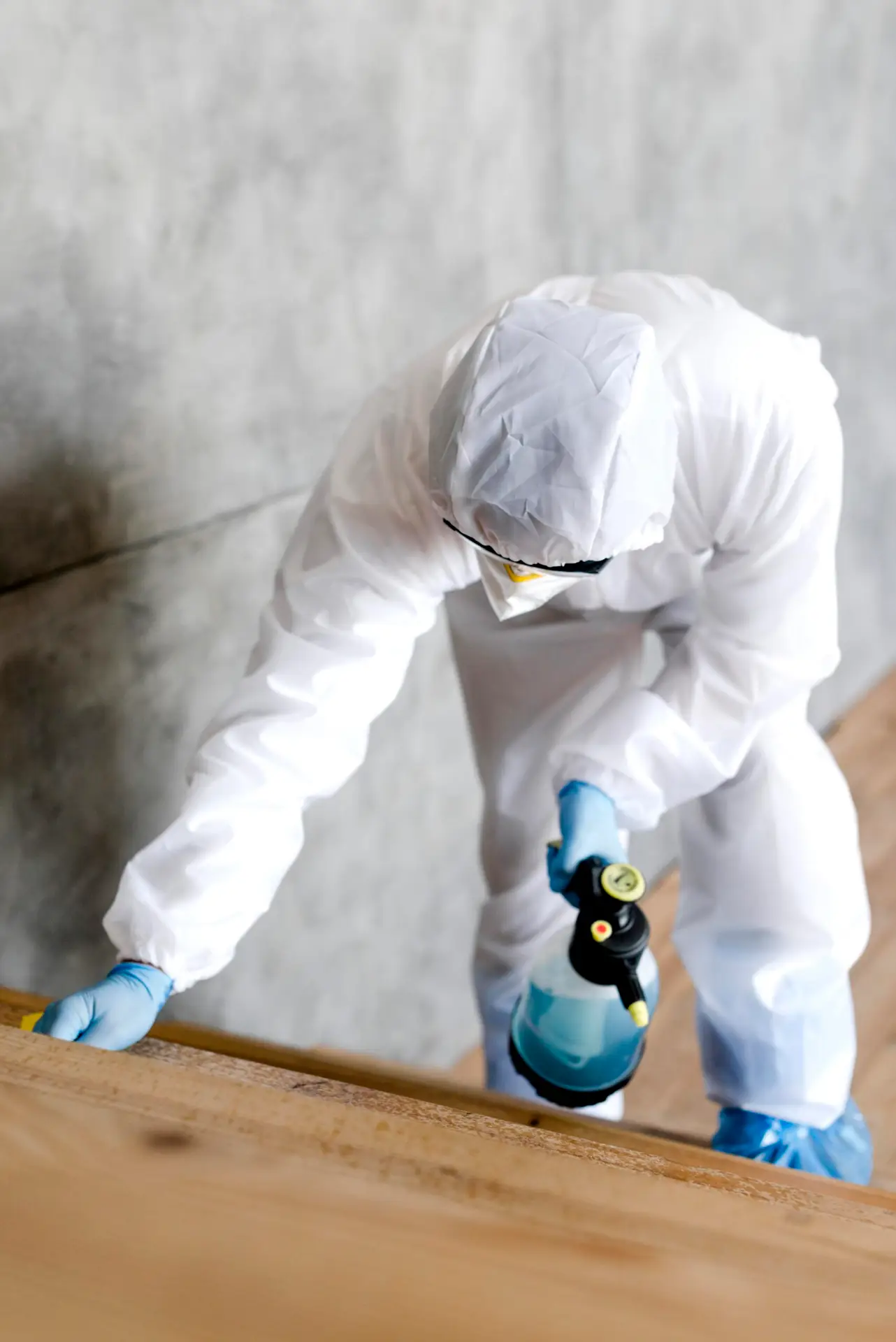
Restoration providers apply specialized protocols to achieve safe and effective mold removal. Typical measures include:
- Containment Procedures: Professionals set up barriers to prevent mold spores from spreading during removal.
- Air Filtration Devices: High-efficiency particulate air (HEPA) filters are used to capture airborne mold spores.
- Thorough Cleaning: Restoration experts use industrial-grade cleaning agents to eliminate mold and prevent future growth.
What Mold Prevention Techniques Can Protect Your Home Long-Term?
Adoption of targeted prevention measures is essential to maintain healthy indoor environments and limit future mold development.
How to Control Moisture and Prevent Water Damage That Leads to Mold?
Moisture control is the primary strategy to prevent mold. Recommended actions include:
- Fix Leaks Promptly: Address any plumbing or roof leaks immediately to prevent water accumulation.
- Use Dehumidifiers: In areas prone to high humidity, dehumidifiers can help maintain optimal moisture levels.
- Ventilate Properly: Ensure proper ventilation in bathrooms, kitchens, and laundry rooms to reduce moisture buildup.
Which Maintenance Practices Reduce Mold Growth Risks Effectively?
Consistent maintenance reduces mold risk. Recommended practices include:
- Routine Inspections: Regularly check for signs of water damage or mold in your home.
- Proper Ventilation: Ensure that all areas of your home are well-ventilated to promote airflow and reduce humidity.
- Seasonal Maintenance: Prepare your home for seasonal changes by checking gutters, downspouts, and drainage systems.
How Does Climate Change Influence Mold Growth Risks in Sacramento and Similar Regions?
Climate change alters environmental conditions that influence mold risk, notably in regions such as Sacramento.
What Recent Data Highlights Increased Mold Prevalence Due to Environmental Factors?
Recent data associate rising temperatures and elevated humidity with increased mold prevalence. As climate variability alters precipitation and temperature patterns, homeowners may encounter more frequent and severe moisture events that create favorable conditions for mold colonization.
How Should Homeowners Adapt Mold Prevention Strategies Accordingly?
To adapt to environmental shifts, homeowners should implement measures such as:
- Increased Monitoring: Regularly check for moisture issues, especially during periods of heavy rainfall or high humidity.
- Enhanced Ventilation: Improve airflow in homes to combat rising humidity levels.
- Professional Assessments: Consider periodic professional mold inspections to identify potential issues before they escalate.
If you have concerns about mold in your home and wish to learn more about VIP Restoration services, please contact the company for professional guidance.
Frequently Asked Questions
What are the long-term effects of mold exposure on health?
Prolonged exposure to mold can contribute to chronic health conditions, particularly for individuals with pre-existing respiratory disorders. Reported effects include persistent coughing, wheezing, and increased susceptibility to respiratory infections. Exposure may exacerbate asthma and can lead to the development of new allergic sensitizations. In certain instances, mycotoxin exposure has been associated with neurological manifestations and other serious health outcomes. Prompt remediation reduces these risks.
How can I tell if mold is behind my walls?
Detecting concealed mold is challenging. Indicators include water stains, peeling paint, or a persistent musty odor originating from the area. A moisture meter can identify elevated moisture levels within wall assemblies. If suspicion remains, consider cutting a small inspection opening to visually confirm the condition or retain a professional for a comprehensive evaluation using specialized instruments.
What should I do if I find mold in my home?
Assess the scope of contamination. Small incidents on nonporous surfaces may be remediated using appropriate personal protective equipment and approved cleaning procedures. For extensive contamination or when occupant health is a concern, engage a professional mold remediation service to remove the contamination and address underlying moisture sources to prevent recurrence.
Can mold grow in dry environments?
While mold typically requires moisture to grow, it can establish in environments that are generally dry if localized moisture sources exist, such as leaks or intermittent high humidity. Mold spores can remain dormant until conditions become favorable for growth. Continuous moisture monitoring and adequate ventilation help prevent activation of dormant spores.
How often should I conduct mold inspections in my home?
Conduct at minimum an annual inspection, with emphasis on moisture-prone areas such as basements, bathrooms, and kitchens. Additionally, inspect the property after significant weather events—heavy rain or flooding—that increase the risk of water intrusion. Regular inspections enable early detection and timely remediation.
What are the best practices for preventing mold in my home?
Effective prevention focuses on rigorous moisture management: repair leaks promptly, deploy dehumidification in high-humidity zones, and ensure adequate ventilation in bathrooms and kitchens. Monitor indoor relative humidity and target levels below 60%. During renovations, specify mold-resistant materials and maintain cleanliness and dryness to limit spore accumulation.
Conclusion
Detection of mold indicators is essential to protect property and occupant health. By assessing exposure risks and implementing rigorous inspection and prevention measures, homeowners can reduce potential damage and maintain a safe indoor environment. Address suspected mold promptly and consult professional inspection and remediation services for comprehensive evaluation and mitigation.