7 Warning Signs You Need Professional Mold Removal Services in Your Home: Identifying Mold Issues and When to Act
Mold growth in residential settings presents quantifiable health risks and structural degradation. This article identifies seven indicators that typically warrant professional mold remediation. Early recognition of these indicators facilitates risk mitigation for occupants and building fabric. Mold proliferates in damp, low-light environments and frequently remains undetected until it achieves substantial coverage. The following sections describe visible indicators, clinical symptoms associated with exposure, criteria for professional intervention, typical cost considerations for inspection and remediation, and preventive measures to reduce recurrence.
What Are the Common Signs of Mold Growth in Residential Properties?
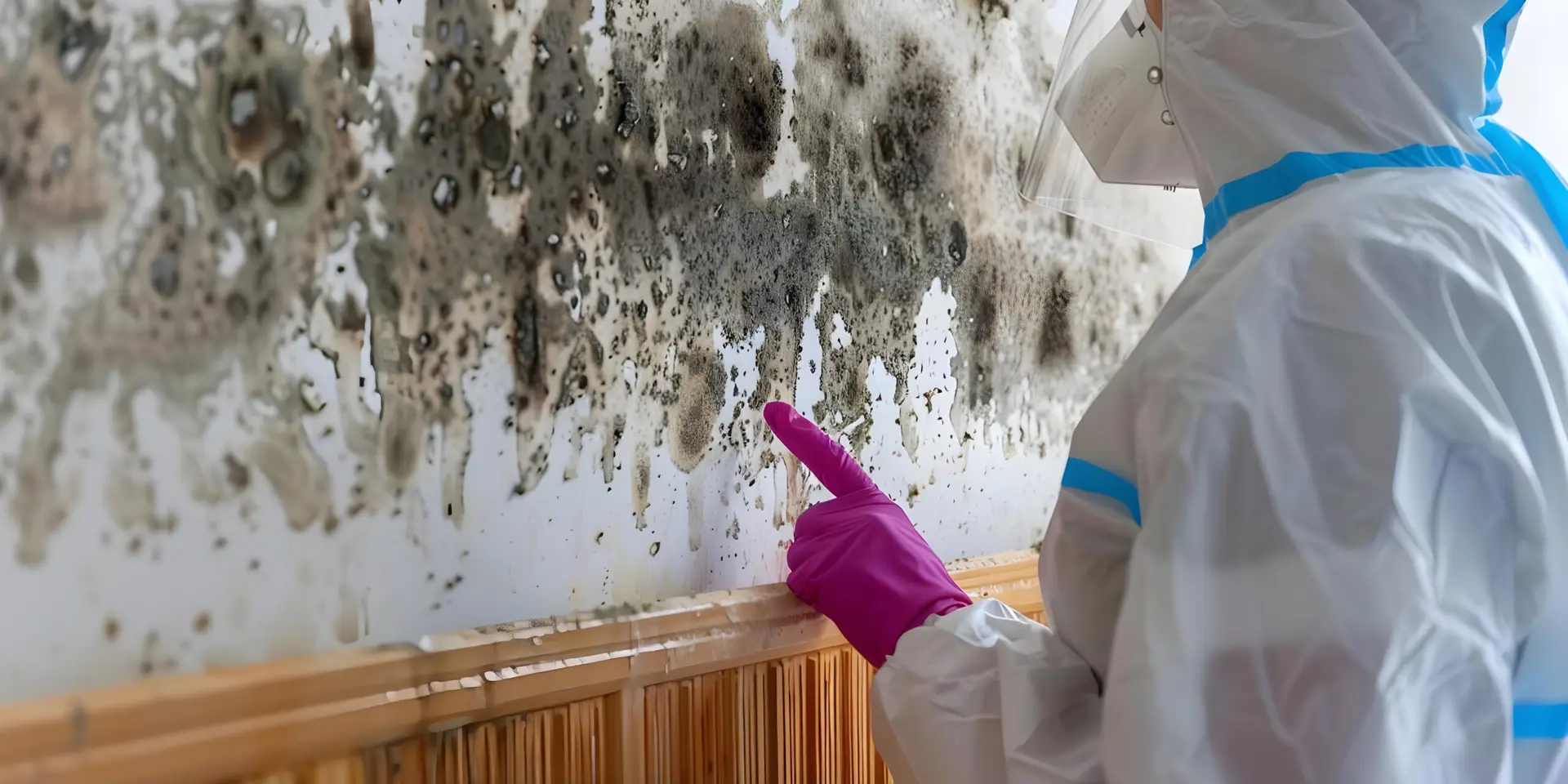
Identifying visible manifestations of mold is a primary step in timely intervention. Molds present in diverse morphologies and pigmentation and are most prevalent in locations with elevated moisture. Typical indicators include:
- Visible Mold on Surfaces : Look for patches of mold on walls, ceilings, and floors, which can vary in color from black to green or white.
- Musty Odors : A persistent musty smell in your home can indicate hidden mold growth, even if it is not visible.
- Water Leaks or Stains : Check for water stains on ceilings or walls, which can signal leaks that promote mold growth.
Early detection of these indicators reduces the probability of extensive material loss and mitigates occupant exposure to airborne spores and secondary contaminants.
Which Health Symptoms Suggest Toxic Mold Exposure?
Clinical presentations associated with mold exposure are heterogeneous and depend on host susceptibility and the fungal taxa involved. Frequently reported manifestations include allergic symptoms, respiratory irritation, and exacerbation of pre-existing conditions in vulnerable populations.
- Allergies : Sneezing, runny nose, and itchy eyes can be exacerbated by mold exposure, particularly in sensitive individuals.
- Respiratory Irritation : Coughing, wheezing, and difficulty breathing are common reactions to mold spores in the air.
- Health Concerns for Vulnerable Populations : Children, the elderly, and those with pre-existing health conditions may experience more severe reactions to mold exposure.
What Are the Respiratory and Allergic Reactions Linked to Mold?
Respiratory and allergic responses to mold exposure are clinically significant. Mold spores can precipitate asthma exacerbations and acute respiratory symptoms in sensitized individuals. Epidemiological and clinical studies indicate that prolonged exposure may contribute to persistent respiratory conditions, underscoring the importance of timely mitigation.
Peer-reviewed research documents severe and potentially long-term health consequences associated with sustained exposure to mold in water-damaged environments.
Mold Exposure: Serious Health Hazards & Hypersensitivity Syndrome
Long-lasting or cumulative stay in water damaged buildings is a serious health hazard. Exposure to fungal and bacterial toxins, nanoparticles from dampness microbiota as well as decay products from construction materials together with biocides used for cleaning will first cause irritation of the mucosa and later chronic inflammation with stimulation or inhibition of the compartments of the innate and/or adaptive immunity. Mold-related disease has been called Dampness and Mold Hypersensitive Syndrome (DMHS) because hypersensitivity is the cornerstone feature of the disease.
Immunological and toxicological effects of bad indoor air to cause dampness and mold hypersensitivity syndrome, 2018
When Should You Consider Mold as a Cause of Persistent Health Issues?
Persistent or recurrent respiratory symptoms among household members should prompt evaluation for environmental sources, including mold. The concurrent presence of visible mold and clinical complaints requires expedited inspection and, where indicated, remediation. A professional assessment can determine the contribution of mold to observed health effects.
How Can Homeowners Detect Mold Early Before Extensive Damage Occurs?
Early detection limits both health impacts and structural loss. Homeowners can adopt targeted measures to identify developing infestations prior to extensive dissemination. Recommended actions include:
Despite established risks, early identification of concealed mold remains a notable challenge, particularly within older residential building stocks.
Hidden Mold Detection & Remediation in Residential Buildings
Mold in residential buildings presents a significant threat to both occupant health and structural integrity, especially in older homes. Previous studies primarily focused on the health effects of mold, the environmental conditions that support its growth, and the influence of building materials and age. However, early detection and prevention of hidden mold remains a challenge, particularly in aging building stocks. This study investigates a localized mold-risk profile by integrating household characteristics, occupant awareness, and prevailing remediation practices.
Integrating Household Characteristics,
Mold Inspection and Remediation Data to Develop Localized Mold-Risk Profiles for Residential Buildings, P Salehi, 2025
- Regular Inspections : Conduct routine checks in areas prone to moisture, such as basements, bathrooms, and kitchens.
- Moisture Control : Use dehumidifiers and ensure proper ventilation to reduce humidity levels in your home.
- Professional Mold Inspections : Consider hiring professionals for thorough inspections, especially if you suspect hidden mold.
Implementing these measures increases the likelihood of early detection and reduces the extent of subsequent remediation.
When Is It Necessary to Call Mold Remediation Experts?
Engaging remediation professionals at the appropriate time is essential for effective mold management and risk reduction. The following indicators typically merit professional intervention:
- Visible Mold Growth : If you see mold on surfaces, it is essential to act quickly to prevent further spread.
- Musty Odors : A persistent musty smell can indicate hidden mold, necessitating professional assessment.
- Health Symptoms : If you or your family members experience health issues related to mold exposure, it is time to seek professional help.
For significant mold infestations, VIP Restoration Inc. provides emergency mold removal services to address urgent situations promptly and in accordance with industry protocols.
What Thresholds of Mold Presence Require Professional Intervention?
Specific thresholds indicate the need for professional services. Extensive growth exceeding 10 square feet or confirmed colonization within HVAC systems typically requires qualified assessment and remediation to protect occupant health and system functionality.
How Does Emergency Mold Removal Service Address Urgent Situations?
Emergency mold removal services are structured to manage urgent scenarios with procedures designed to contain contamination and reduce exposure. Typical service components include:
- 24/7 Availability : Professionals are on call to respond to mold emergencies at any time.
- Rapid Response Commitment : Quick action helps minimize damage and health risks associated with mold exposure.
Engaging emergency services facilitates rapid containment, minimizes occupant exposure, and reduces the likelihood of progressive structural damage.
What Is the Cost of Professional Mold Inspection and Removal Services?
Accurate understanding of inspection and remediation costs supports informed decision-making. Pricing is determined by variables such as the extent of contamination, service scope, testing requirements, and any necessary building repairs.
The economic consequences of residential mold extend beyond individual remediation expenses and represent a substantive national financial burden.
Residential Mold: Health, Economic, and Property Damage Risks
Residential mold contamination represents a pervasive environmental health and economic challenge affecting millions of households globally, with direct and indirect costs estimated between $3.5 billion and $10 billion annually in the United States alone. Despite growing awareness of health risks associated with mycotoxin exposure and widespread property damage, managerial decision-making in residential contexts remains fragmented, reactive, and economically suboptimal.
RESIDENTIAL MOLD AND MYCOTOXIN CONTAMINATION, 2026
Which Factors Influence the Pricing of Mold Remediation?
Cost drivers for remediation include the scope and severity of contamination, the complexity of remediation and testing protocols, and any necessary structural repairs or system decontamination.
- Scope of the Problem : The size and severity of the mold issue will significantly impact costs.
- Type of Services Required : Services such as inspection, testing, and removal will vary in price based on complexity.
How to Evaluate Cost Versus Benefits of Professional Mold Services?
Evaluating cost against anticipated benefits is essential when selecting remediation services. Professional intervention reduces exposure risks and protects building integrity; the durable benefits include health protection and preservation of property value.
- Health Protection : Reducing exposure to mold can prevent serious health issues.
- Property Preservation : Timely remediation can save homeowners from costly repairs down the line.
How Can Mold Growth Be Prevented to Avoid Future Remediation?
Effective prevention of mold requires systematic moisture management and regular building maintenance. Homeowners can adopt specific strategies to reduce the probability of future infestations:
- Identify and Fix Moisture Sources : Address leaks and water damage promptly to prevent mold growth.
- Regular Inspections : Conduct routine checks to catch potential mold issues early.
- Proper Ventilation : Ensure adequate airflow in areas prone to moisture, such as bathrooms and kitchens.
What Are Best Practices for Moisture Control and Ventilation?
Applying standard moisture-control and ventilation protocols reduces mold risk. Recommended actions include:
- Respond Rapidly to Water Damage : Address any water damage immediately to prevent mold from taking hold.
- Utilize Dehumidification Techniques : Use dehumidifiers in high-humidity areas to maintain optimal moisture levels.
How Does Regular Maintenance Reduce Mold Risk in Homes?
Consistent maintenance limits conditions that favor mold growth. Routine inspections, functional ventilation systems, and prompt remediation of moisture issues protect occupant health and help preserve property value.
| Service Type | Description | Estimated Cost |
|---|---|---|
| Mold Inspection | Comprehensive assessment of mold presence | $200 – $600 |
| Mold Removal | Professional removal of mold from affected areas | $1,500 – $3,500 |
| Air Quality Testing | Testing indoor air for mold spores | $300 – $500 |
The table summarizes common services for mold assessment and remediation with estimated price ranges to support homeowner decision-making.
To learn more about our restoration process , visit our website. Recognizing warning signs and engaging professional assessment enables homeowners to protect occupant health and structural assets. Implementing preventive measures and addressing mold issues promptly contributes to a safer residential environment.
If you have any questions or require assistance, please contact us today.
Frequently Asked Questions
What are the long-term health effects of mold exposure?
Prolonged exposure to mold may produce significant adverse health outcomes, particularly for individuals with pre-existing respiratory conditions or compromised immune function. Chronic exposure has been associated with persistent respiratory disorders, including asthma exacerbation and bronchitis, and certain species produce mycotoxins that have been linked to neurological and systemic effects. Timely identification and remediation reduce the probability of long-term harm.
How can I tell if mold is hidden in my home?
Hidden mold is frequently indicated by persistent musty odors, unexplained water stains, paint or wallpaper deterioration, or localized discoloration. Inspect moisture-prone locations such as basements, attics, crawl spaces, and areas behind appliances. When suspicion persists, engage a qualified inspector to perform targeted diagnostics and testing.
What should I do if I find mold in my home?
Upon discovering mold, identify and eliminate the moisture source as the primary action. For small areas (less than 10 square feet), appropriately protected occupants may perform cleaning on non-porous surfaces. For larger infestations, contaminated HVAC systems, or when occupants have health vulnerabilities, retain a professional remediation service to ensure safe and compliant removal.
Are there DIY methods for mold removal?
DIY remediation techniques are appropriate only for limited, localized contamination. Common approaches include detergent or vinegar solutions and, for certain non-porous materials, diluted bleach, applied with appropriate personal protective equipment to prevent exposure. Extensive contamination or involvement of building systems warrants professional remediation to ensure comprehensive removal and recurrence prevention.
How can I improve ventilation to prevent mold growth?
Improve ventilation by installing exhaust fans that discharge outdoors in bathrooms and kitchens, ensuring windows and vents provide adequate airflow when conditions permit, and employing dehumidifiers in high-humidity zones. Regularly inspect and clean vents and ducts to maintain unimpeded air circulation throughout the residence.
What are the signs that mold remediation was successful?
Indicators of effective remediation include complete removal of visible mold, appropriate cleaning or replacement of contaminated materials, and a measurable reduction in musty odors. Post-remediation air quality testing that demonstrates spore concentrations within acceptable ranges provides objective confirmation. Verification that the moisture source has been addressed is essential to prevent recurrence.
7 Warning Signs It’s Time for Professional Mold Removal
Accurate recognition of mold indicators is fundamental to protecting occupant health and preserving property. Understanding clinical and environmental signs, and pursuing prompt professional assessment when appropriate, reduces the scope and cost of remediation. Consult qualified remediation specialists for inspection and remediation to establish and maintain a safe residential environment.