Understanding Smoke Damage Restoration Process Steps
Smoke damage restoration is a critical process that involves several steps to effectively recover a property after a fire incident. This process not only addresses the visible damage caused by smoke and soot but also tackles the underlying issues that can affect the health and safety of the occupants. In this comprehensive guide, we will explore the essential steps involved in smoke damage restoration, including assessment, containment, cleanup, odor removal, and restoration. Understanding these steps is vital for homeowners and property managers alike, as it helps in making informed decisions during a stressful time. We will also discuss preventive measures and the importance of communication throughout the restoration process. By the end of this article, you will have a clear understanding of the smoke damage restoration process and how to navigate it effectively.
Understanding the potential health implications further emphasizes the critical nature of professional smoke damage restoration.
Health Risks of Smoke Exposure & Restoration Importance
Wildfires increase smoke exposure for broad swaths of the US population, though outdoor workers and socially disadvantaged groups with limited adaptive capacity can be disproportionally exposed. Exposure to wildfire smoke is associated with a range of health impacts in children and adults, including exacerbation of existing respiratory diseases such as asthma and chronic obstructive pulmonary disease, worse birth outcomes, and cardiovascular events.
Wildfire, smoke exposure, human health, and environmental justice need to be integrated into forest restoration and management, J Jung, 2022
Assessment of Damage
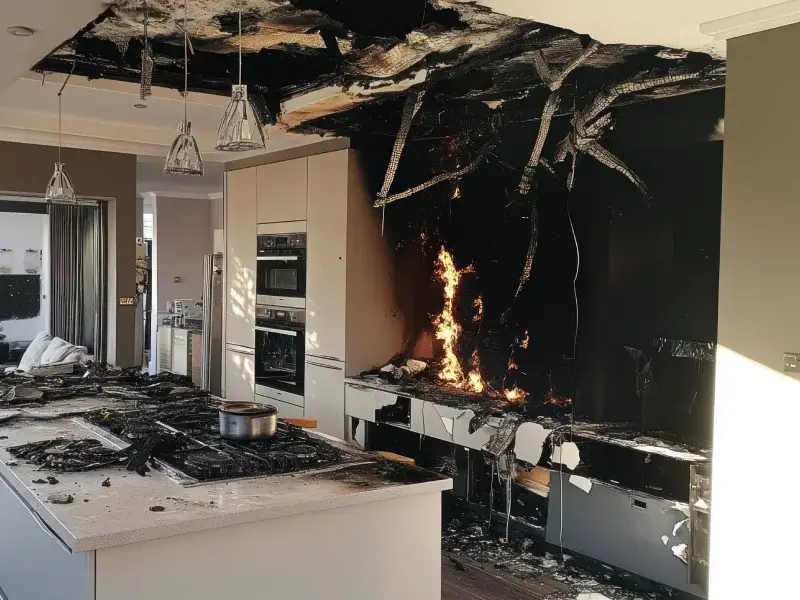
The assessment of smoke damage is the first and most crucial step in the restoration process. This involves a thorough evaluation of the affected areas to determine the extent of the damage and the necessary actions to take. Emergency assessment procedures are typically initiated immediately after the fire is extinguished, focusing on safety and identifying any immediate risks. A comprehensive property assessment follows, which includes inspecting walls, ceilings, and contents for smoke residue and structural integrity. Safety risk identification is also a key component, ensuring that any hazardous materials or compromised structures are addressed before cleanup begins.
To effectively assess and address the damage, it’s crucial to understand the complex nature and composition of smoke itself.
Understanding Smoke Composition & Damage in Restoration
Smoke is a mixture of (1) particulates consisting of soot, semi-volatile organic compounds (SVOC), and solid inorganic compounds; and (2) non-particulates consisting of very volatile organic compounds, volatile organic compounds, and liquid and gaseous inorganic compounds. Soot creates bridging between electrical conductors and conveys corrosive products, resulting in damage to electronics and electrical circuits through leakage current and corrosion, while SVOC and non-particulates stain and impart malodor to surfaces. Soot is also a very effective adsorbent and transport mechanism for SVOC, non-particulates and inorganic compounds.
Smoke characterization and damage potentials, 2016
After the assessment, it is essential to engage professional restoration services to ensure that the process is handled correctly. Companies like VIP Restoration Inc. specialize in smoke damage restoration, providing expertise and equipment necessary for effective recovery.
Containment and Cleanup
Once the assessment is complete, the next step is containment and cleanup. This phase involves establishing controlled work areas to prevent the spread of smoke and soot to unaffected areas of the property. Debris removal techniques are employed to clear out damaged materials, while smoke and soot removal methods are implemented to clean surfaces effectively.
Effective cleanup requires specialized equipment and cleaning agents designed to tackle smoke damage. Advanced restoration equipment, such as air scrubbers and HEPA vacuums, plays a vital role in ensuring that all traces of smoke are removed from the environment. This thorough approach not only restores the property but also helps in maintaining indoor air quality.
What Techniques Are Used for Effective Smoke and Soot Removal?
Effective smoke and soot removal techniques include:
- Dry Cleaning: This method uses specialized sponges to lift soot from surfaces without the use of water, making it ideal for delicate materials.
- Wet Cleaning: Involves using water and cleaning agents to remove smoke residues from surfaces, effective for more durable materials.
- Thermal Fogging: This technique uses heat to disperse a deodorizing agent that penetrates surfaces and neutralizes odors.
These techniques are essential for ensuring that the property is not only clean but also safe for occupants.
Odor Removal
Odor removal is a critical aspect of smoke damage restoration, as lingering smoke odors can be unpleasant and harmful. Techniques for removing smoke odors include odor neutralization methods and air purification techniques. Thorough cleaning is essential, as it helps eliminate the source of the odors.
How Are Smoke Odors Neutralized During Restoration?
Smoke odors can be neutralized using several methods:
- Ozone Treatment: Ozone generators produce ozone, which can effectively eliminate odors by breaking down odor-causing compounds.
- Activated Charcoal: This natural absorbent can capture and neutralize odors in the air.
- Deodorizing Agents: Specialized cleaning agents designed to neutralize smoke odors can be applied to affected surfaces.
These methods are crucial for restoring a fresh and clean environment in the property.
Restoration and Repair
The restoration and repair phase involves restoring the property to its pre-damage condition. This includes structural stabilization steps, where any compromised structures are reinforced or rebuilt. Reconstruction techniques may involve replacing drywall, flooring, and other materials that were damaged by smoke or fire.
What Are the Key Steps in Structural Cleaning and Repair After Smoke Damage?
Key steps in structural cleaning and repair include:
- Cleaning Surfaces: All surfaces must be thoroughly cleaned to remove soot and smoke residues.
- Repairing Structural Damage: Any structural issues identified during the assessment must be addressed to ensure safety.
- Final Touch-ups: Once repairs are made, final touches such as painting and finishing are completed to restore the property’s appearance.
This phase is essential for ensuring that the property is safe and habitable for its occupants.
Comprehensive Smoke Odor Removal Techniques and Solutions
The final inspection is a crucial step in the smoke damage restoration process. This involves a quality review of the work completed to ensure that all restoration efforts meet industry standards. Compliance with safety and health regulations is verified, and documentation of the restoration work is prepared for insurance purposes.
What Safety and Health Precautions Are Essential During Smoke Damage Restoration?
Essential safety and health precautions during restoration include:
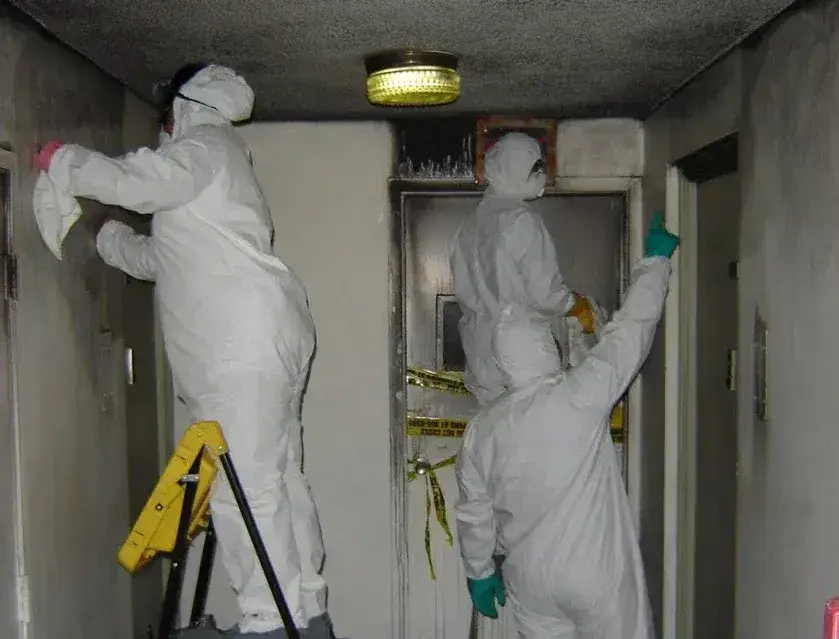
- Personal Protective Equipment (PPE): Workers should wear appropriate PPE, including masks, gloves, and protective clothing.
- Ventilation: Ensuring proper ventilation during the cleanup process helps to minimize exposure to harmful particles.
- Hazardous Material Handling: Any hazardous materials identified during the assessment must be handled according to safety protocols.
These precautions are vital for protecting both workers and occupants during the restoration process.
Preventive Measures
Preventive measures are essential for minimizing the risk of future smoke damage. Regular inspections of the property can help identify potential fire hazards before they become serious issues. HVAC maintenance is also crucial, as clean systems can help prevent the spread of smoke and odors. Additionally, using air purifiers can significantly improve indoor air quality and reduce the likelihood of smoke odors lingering in the environment.
Communication and Documentation
Effective communication during the restoration process is vital for ensuring that all parties are informed and involved. Providing updates to property managers and coordinating with insurance companies can streamline the restoration process. Documentation of the process is also essential for insurance claims and future reference.
How Do Insurance and Cost Considerations Affect the Smoke Damage Restoration Process?
Insurance and cost considerations play a significant role in the smoke damage restoration process. Understanding the coverage provided by insurance policies can help property owners navigate claims effectively. Typical smoke damage repair costs can vary widely based on the extent of the damage and the necessary restoration efforts. Engaging with a professional restoration service can provide clarity on costs and help ensure that the restoration is completed efficiently.
This table outlines the typical steps involved in the smoke damage restoration process, along with their estimated timeframes. Understanding these steps can help property owners plan accordingly and ensure a smooth restoration experience.
For detailed information on smoke damage restoration services, consider visiting Restoration Expert, which offers comprehensive solutions tailored to various restoration needs.
Frequently Asked Questions
What are the long-term effects of smoke damage on a property?
Long-term effects of smoke damage can include persistent odors, discoloration of surfaces, and deterioration of materials. Smoke particles can embed themselves in walls, carpets, and furniture, leading to ongoing health risks if not properly addressed. Additionally, smoke can corrode electrical systems and appliances, potentially leading to malfunctions or hazards. It’s crucial to engage professional restoration services to mitigate these effects and ensure the property is safe and habitable for occupants.
How can I prevent smoke damage in my home?
Preventing smoke damage involves several proactive measures. Installing smoke detectors and maintaining them regularly is essential for early fire detection. Additionally, practicing safe cooking habits and avoiding the use of flammable materials near heat sources can reduce fire risks. Regular inspections of electrical systems and appliances can also help identify potential hazards. Furthermore, having a fire extinguisher readily available and ensuring clear escape routes can enhance safety and minimize damage in case of a fire.
What should I do immediately after a fire to minimize smoke damage?
Immediately after a fire, prioritize safety by ensuring the area is secure and that the fire is completely extinguished. Avoid entering the property until it has been deemed safe by professionals. Once safe, ventilate the area by opening windows and doors to reduce smoke concentration. Document the damage with photos for insurance purposes and contact a professional restoration service as soon as possible to begin the assessment and cleanup process, which is crucial for minimizing long-term damage.
Are there any DIY methods for smoke damage cleanup?
While professional restoration is recommended for extensive smoke damage, some DIY methods can help with minor issues. For example, using a mixture of vinegar and water can help neutralize odors on surfaces. Baking soda can also absorb lingering smells when sprinkled on carpets or upholstery. However, it’s important to note that these methods may not be effective for severe damage, and professional services should be sought for comprehensive cleanup and restoration to ensure safety and effectiveness.
How does the restoration process differ for residential vs. commercial properties?
The restoration process for residential and commercial properties can differ significantly due to scale and complexity. Commercial properties often require a more extensive assessment due to larger spaces and more complex systems, such as HVAC and electrical networks. Additionally, commercial restorations may need to consider business continuity, leading to expedited timelines. Residential restorations typically focus on personal belongings and living spaces, while commercial efforts may involve coordinating with multiple stakeholders and adhering to stricter regulations.
What role does air quality play in smoke damage restoration?
Air quality is a critical factor in smoke damage restoration, as smoke can introduce harmful particles and chemicals into the indoor environment. During the restoration process, maintaining good air quality is essential to protect the health of occupants and workers. This can be achieved through the use of air scrubbers, HEPA filters, and proper ventilation. Monitoring air quality throughout the restoration ensures that all contaminants are effectively removed, creating a safe and healthy environment post-restoration.
Conclusion
Understanding the smoke damage restoration process is essential for effectively recovering a property after a fire incident. By following the key steps of assessment, containment, cleanup, odor removal, and restoration, homeowners can ensure a safe and healthy environment. Engaging professional services not only streamlines the process but also guarantees that all safety and health standards are met. For expert assistance in smoke damage restoration, consider reaching out to a trusted restoration service today.