Essential Steps for Fire and Smoke Damage Restoration
Fire and smoke damage can be devastating for homeowners and property managers alike, leading to significant emotional and financial stress. Understanding the restoration process is crucial for effective recovery and ensuring safety. This comprehensive guide will walk you through the essential steps involved in fire and smoke damage restoration, from emergency assessment to final inspection. By following these steps, property owners can navigate the complexities of restoration and return their spaces to a safe and functional condition. We will also explore the importance of ongoing communication throughout the process and how to efficiently handle fire damage insurance claims.
Emergency Assessment
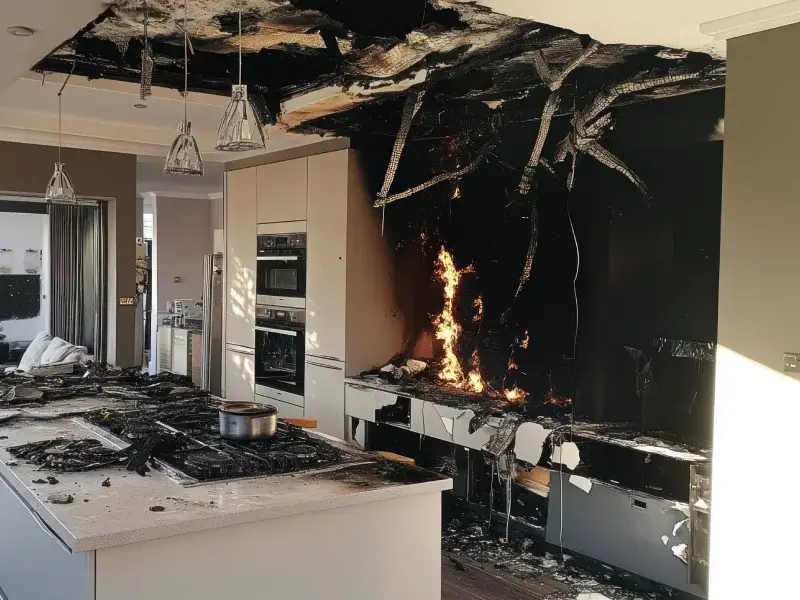
The emergency assessment is the first critical step in the fire and smoke damage restoration process. This phase involves a rapid evaluation of the property to identify the extent of the damage and any immediate safety risks. Restoration professionals conduct a thorough inspection to prioritize urgent needs, ensuring that the most critical issues are addressed first. This initial assessment sets the foundation for the entire restoration process, allowing for a structured approach to recovery.
Containment and Cleanup
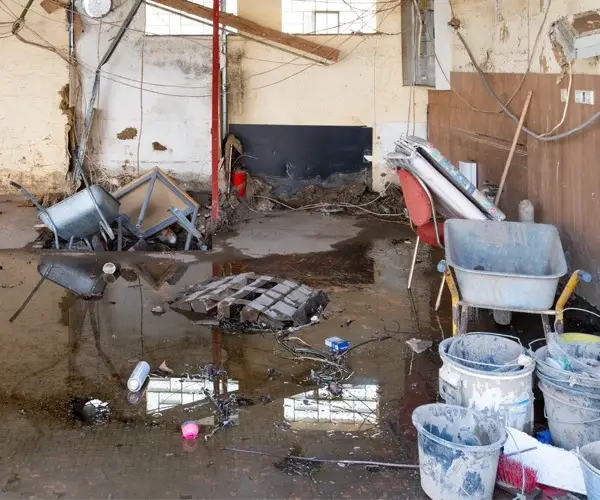
Establishing a controlled work area is essential during the containment and cleanup phase. This step prevents the spread of smoke and soot to unaffected areas of the property. Restoration teams work diligently to remove debris and hazardous materials, creating a clean environment for further restoration efforts. Proper containment not only protects the property but also ensures the safety of workers and occupants during the cleanup process.
Smoke, Soot, and Debris Removal
Effective smoke, soot, and debris removal is vital to restoring a property after fire damage. Restoration professionals utilize commercial-grade cleaning methods to safely clean walls, ceilings, and furnishings. This process prevents long-term damage and ensures that all traces of smoke and soot are eliminated. By addressing these issues promptly, property owners can mitigate further deterioration and prepare for the next steps in the restoration process.
Odor Removal
Smoke odors can linger long after the visible damage has been addressed, making odor removal a crucial aspect of the restoration process. Advanced deodorization methods are implemented to neutralize persistent smoke odors and improve indoor air quality. Techniques such as thermal fogging and ozone treatment are commonly used to ensure that the property is not only visually restored but also free from unpleasant smells.
Structural Stabilization
Before any repairs can begin, it is essential to secure the affected areas through structural stabilization. This step involves strengthening and securing compromised structures to prevent further damage during the restoration process. By preparing the property for repairs, restoration professionals can ensure that the rebuilding efforts are effective and long-lasting.
Restoration and Repair
The restoration and repair phase encompasses the rebuilding of damaged structures and the restoration of the property to its pre-fire condition. This process requires skilled workmanship to ensure that all repairs meet safety and quality standards. Restoration professionals work closely with property owners to address their specific needs and preferences, ensuring a functional and aesthetically pleasing outcome.
Final Inspection
Once the restoration work is complete, a final inspection is conducted to review all completed tasks. This step is crucial for confirming that the restoration meets quality standards and is safe for occupancy. Property owners are encouraged to participate in this inspection to ensure that all their concerns are addressed before returning to their space.
Ongoing Communication
Maintaining clear communication throughout the restoration process is vital for ensuring that all stakeholders are informed and satisfied with the progress. Restoration professionals should provide regular updates to property owners, addressing any questions or concerns that may arise. This ongoing dialogue helps to streamline the restoration process and fosters a collaborative environment.
What Are the Initial Steps in Fire Damage Assessment and Safety Measures?
The initial steps in fire damage assessment involve conducting a rapid evaluation of the property to identify fire damage and safety risks. Establishing safety protocols is essential to protect both the restoration team and the property owner. Documenting findings during this phase ensures transparency and provides a clear record for insurance purposes.
How Is Property Damage Evaluated After a Fire?
Evaluating property damage after a fire involves assessing the extent of the damage and identifying safety hazards. Restoration professionals differentiate between types of damage, such as structural, smoke, and water damage, to develop a comprehensive restoration plan. This evaluation is critical for determining the necessary steps for effective recovery.
What Safety Precautions Are Essential During Initial Inspection?
During the initial inspection, several safety precautions must be implemented to ensure a safe environment for entry. This includes ensuring that the area is safe for inspection, using protective gear, and implementing containment procedures to prevent exposure to hazardous materials. These measures are crucial for protecting the health and safety of all individuals involved in the restoration process.
How Is Debris Removal and Structural Cleaning Conducted in Fire Restoration?
Debris removal and structural cleaning are conducted through a systematic approach that begins with a thorough assessment of the damage. Restoration professionals establish a controlled work area to safely remove debris and contaminants. This process is essential for preparing the property for further restoration efforts and ensuring a clean environment.
What Techniques Are Used for Effective Debris Removal?
Effective debris removal techniques include conducting an emergency assessment, establishing containment, and systematically removing charred materials. Restoration professionals utilize specialized equipment and methods to ensure that all debris is safely and efficiently removed from the property.
How Are Structural Surfaces Cleaned to Remove Fire Residue?
Cleaning structural surfaces to remove fire residue involves several methods tailored to the specific materials affected. Restoration professionals conduct a damage assessment and use specialized cleaning methods to ensure that all fire residue is effectively neutralized. This process is essential for preventing lingering odors and ensuring a thorough restoration.
For instance, specialized methods are employed to effectively remove fire residues from materials like wood structures.
Fire Residue Removal from Wood Structures
methods for removal of fire residues, neutralizing much as the adjacent wood. The test specimens in acid residues, removing fire
Fire damage of wood structures, 2012
What Are the Proven Smoke Odor Removal Techniques in Restoration Services?
Proven smoke odor removal techniques include thermal fogging, ozone treatment, and deep cleaning. These methods are designed to penetrate porous materials and neutralize smoke odors effectively. Restoration professionals employ these techniques to ensure that the property is free from unpleasant smells and safe for occupancy.
Specifically, techniques like thermal fogging are highly effective in neutralizing smoke odors by penetrating porous surfaces.
Thermal Fogging & Ozone for Smoke Odor Neutralization
smoke odor with a process called thermal fogging, which opens the pores in the walls and neutralizes the smoke odor.
HOME ECONOMICS GLlIDE
How Does Smoke Odor Penetrate and Affect Property Materials?
Smoke particles infiltrate porous surfaces, leading to lingering odors that can affect indoor air quality. Understanding how smoke odor penetrates materials is crucial for developing effective removal strategies. Restoration professionals must address these issues to ensure a comprehensive restoration.
Which Methods Are Most Effective for Complete Smoke Odor Elimination?
The most effective methods for complete smoke odor elimination include thermal fogging, ozone treatment, and air purification systems. These techniques work together to ensure that all traces of smoke odors are removed from the property, creating a safe and pleasant environment for occupants.
What Does the Repair and Reconstruction Process Involve After Fire Damage?
The repair and reconstruction process involves several key steps, including conducting an emergency assessment, establishing containment, and completing necessary structural repairs. Restoration professionals work closely with property owners to ensure that all repairs are executed to the highest standards.
How Are Structural Repairs Planned and Executed?
Planning and executing structural repairs require careful consideration of the damage and the specific needs of the property. Restoration professionals develop a detailed plan that outlines the necessary repairs and ensures that all work is completed safely and efficiently.
What Finishing Steps Ensure Property Is Restored to Pre-Fire Condition?
Finishing steps for restoration include conducting a final inspection, documenting the work for insurance purposes, and ensuring safety for occupancy. These steps are essential for confirming that the property has been fully restored and is ready for use.
How Can Property Owners Navigate Fire Damage Insurance Claims Efficiently?
Navigating fire damage insurance claims efficiently involves contacting the insurance provider, documenting damage thoroughly, and working with restoration professionals. Property owners should ensure that all necessary documentation is prepared to facilitate a smooth claims process.
What Documentation Is Required for Fire Damage Insurance Claims?
Documentation needed for insurance claims includes detailed damage reports, before-and-after photos, and a list of all affected personal property. This information is crucial for supporting the claims process and ensuring that property owners receive the compensation they deserve.
How Does the Claims Process Support Restoration Efforts?
The claims process supports restoration efforts by engaging restoration services early, documenting damage for claims, and following up with the insurance adjuster. This proactive approach helps to streamline the restoration process and ensures that property owners receive timely assistance.
What Preventative Measures and Maintenance Can Reduce Future Fire Risks?
Implementing preventative measures and conducting regular maintenance can significantly reduce future fire risks. Property owners should educate occupants on fire safety practices, maintain fire safety equipment, and conduct regular inspections of electrical systems.
Which Fire Safety Practices Should Property Owners Implement?
Property owners should implement several fire safety practices, including installing smoke detectors, conducting fire drills, and maintaining clear escape routes. These measures are essential for ensuring the safety of all occupants and minimizing the risk of fire-related incidents.
How Does Regular Maintenance Support Long-Term Fire Damage Prevention?
Regular maintenance plays a crucial role in long-term fire damage prevention by ensuring that fire safety equipment is inspected and functional. Property owners should also maintain electrical systems and educate staff on fire safety practices to reduce the likelihood of fire incidents.
Frequently Asked Questions
What Should I Do Immediately After a Fire Occurs?
Immediately after a fire, ensure everyone’s safety by evacuating the premises and calling emergency services. Once the fire is extinguished, avoid entering the property until it has been deemed safe by professionals. Document the damage with photos for insurance purposes and contact your insurance provider to report the incident. It’s also advisable to reach out to a fire damage restoration company to begin the assessment and recovery process as soon as possible.
How Long Does the Fire Damage Restoration Process Typically Take?
The duration of the fire damage restoration process can vary significantly based on the extent of the damage and the size of the property. Generally, minor repairs may take a few days to a week, while extensive damage could require several weeks or even months to fully restore. Factors such as the complexity of repairs, availability of materials, and the efficiency of the restoration team can all influence the timeline. Regular communication with your restoration professionals can provide clearer expectations.
Are There Any Health Risks Associated with Fire Damage?
Yes, fire damage can pose several health risks, including exposure to toxic smoke, soot, and hazardous materials. Smoke inhalation can lead to respiratory issues, while soot can irritate the skin and eyes. Additionally, structural damage may create safety hazards. It is crucial to avoid entering the property until it has been assessed and cleared by professionals. Restoration teams are trained to handle these risks safely and effectively during the cleanup process.
What Types of Insurance Coverage Are Available for Fire Damage?
Fire damage insurance coverage typically falls under homeowners or commercial property insurance policies. Coverage can include dwelling protection, personal property coverage, and additional living expenses if you need to relocate during repairs. It’s essential to review your policy details to understand what is covered and any exclusions that may apply. Consulting with your insurance agent can help clarify your coverage options and ensure you are adequately protected against fire damage.
How Can I Prevent Future Fire Damage in My Home?
Preventing future fire damage involves implementing several safety measures. Install smoke detectors on every level of your home and test them monthly. Keep fire extinguishers accessible and ensure they are regularly maintained. Avoid overloading electrical outlets and regularly inspect wiring and appliances for wear. Educating all household members about fire safety practices, such as escape routes and emergency contacts, can also significantly reduce the risk of fire incidents.
What Should I Look for When Choosing a Fire Damage Restoration Company?
When selecting a fire damage restoration company, consider their experience, certifications, and customer reviews. Look for companies that are licensed and insured, as this indicates professionalism and accountability. It’s also beneficial to choose a company that offers a comprehensive range of services, including emergency response, cleanup, and reconstruction. Finally, ensure they have a clear communication process and can provide a detailed estimate before starting work.
Can I Handle Fire Damage Cleanup Myself?
While some minor cleanup tasks may seem manageable, it is generally not advisable to handle fire damage cleanup yourself. Fire damage can involve hazardous materials, structural instability, and health risks from smoke and soot. Professional restoration teams have the training, equipment, and expertise to safely assess and restore your property. Attempting to do it yourself may lead to further damage or health issues, so it’s best to leave it to the experts.
Conclusion
Understanding the steps involved in fire and smoke damage restoration empowers property owners to effectively navigate the recovery process. By prioritizing safety, thorough assessment, and professional cleanup, individuals can restore their spaces to a safe and functional condition. Engaging with experienced restoration professionals ensures that all aspects of the restoration are handled with care and expertise. Take the first step towards recovery by contacting a trusted fire damage restoration service today.