Essential Factors Fueling Mold Growth in Residential Properties
Mold proliferation in residential settings is a prevalent issue that produces measurable health hazards and structural deterioration. Identifying the factors that facilitate mold establishment enables homeowners to maintain a safe indoor environment. This article analyzes primary causes of residential mold, indicators of early infestation, health implications of exposure, evidence‑based prevention measures, and criteria for engaging professional remediation. Addressing these elements supports targeted mitigation and protection of property assets.
Mold contamination is widespread and imposes significant economic and public health burdens.
Residential Mold: Health, Economic, and Property Impacts
Residential mold contamination represents a pervasive environmental health and economic challenge affecting millions of households globally, with direct and indirect costs estimated between $3.5 billion and $10 billion annually in the United States alone. Despite growing awareness of health risks associated with mycotoxin exposure and widespread property damage, managerial decision-making in residential contexts remains fragmented, reactive, and economically suboptimal.
RESIDENTIAL MOLD AND MYCOTOXIN CONTAMINATION, 2026
What Are the Primary Causes of Mold Growth in Residential Properties?
Mold development in residential properties is primarily driven by excess moisture, which permits fungal spores to colonize building materials. Common moisture sources include plumbing leaks, elevated indoor relative humidity, and inadequate ventilation. When these conditions persist, colonization can advance and contribute to structural damage and increased occupant exposure.
Moisture is the predominant driver of mold growth; additional environmental variables further influence fungal establishment.
Key Environmental Factors for Mold Growth
Aside from humidity and temperature, substrate nutrient content is a principal factor affecting mold development.
Microclimate conditions in rooms: Their impact on mold development in buildings, B Orlik-Kożdoń, 2020
Effective control of mold in homes requires prioritizing moisture management and adequate ventilation. Routine inspections for leaks and maintaining indoor relative humidity below 50% substantially reduce the probability of mold proliferation.
For existing infestations, licensed remediation contractors, such as VIP Restoration Services, apply validated protocols to restore indoor environmental safety.
How Can Homeowners Identify Signs of Mold Infestation Early?
Early detection limits property loss and occupant exposure. Homeowners should monitor for the following indicators:
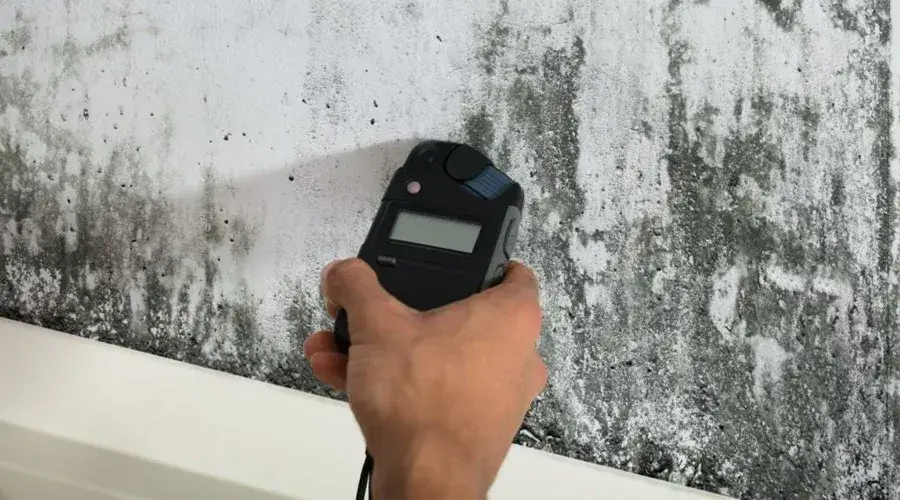
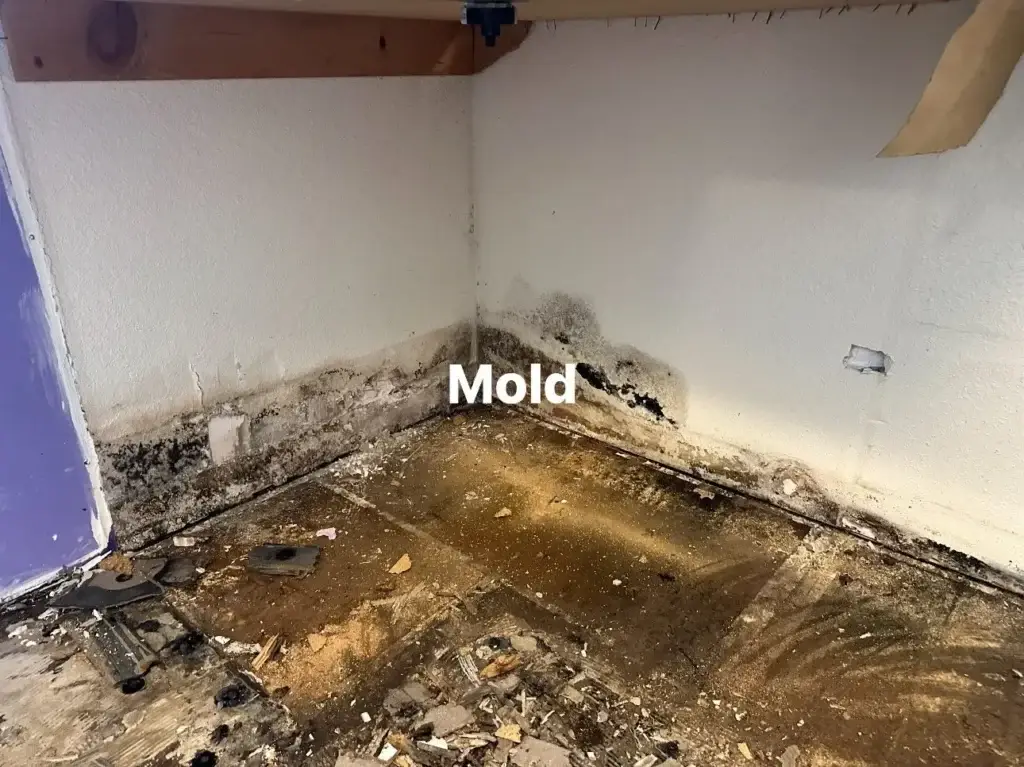
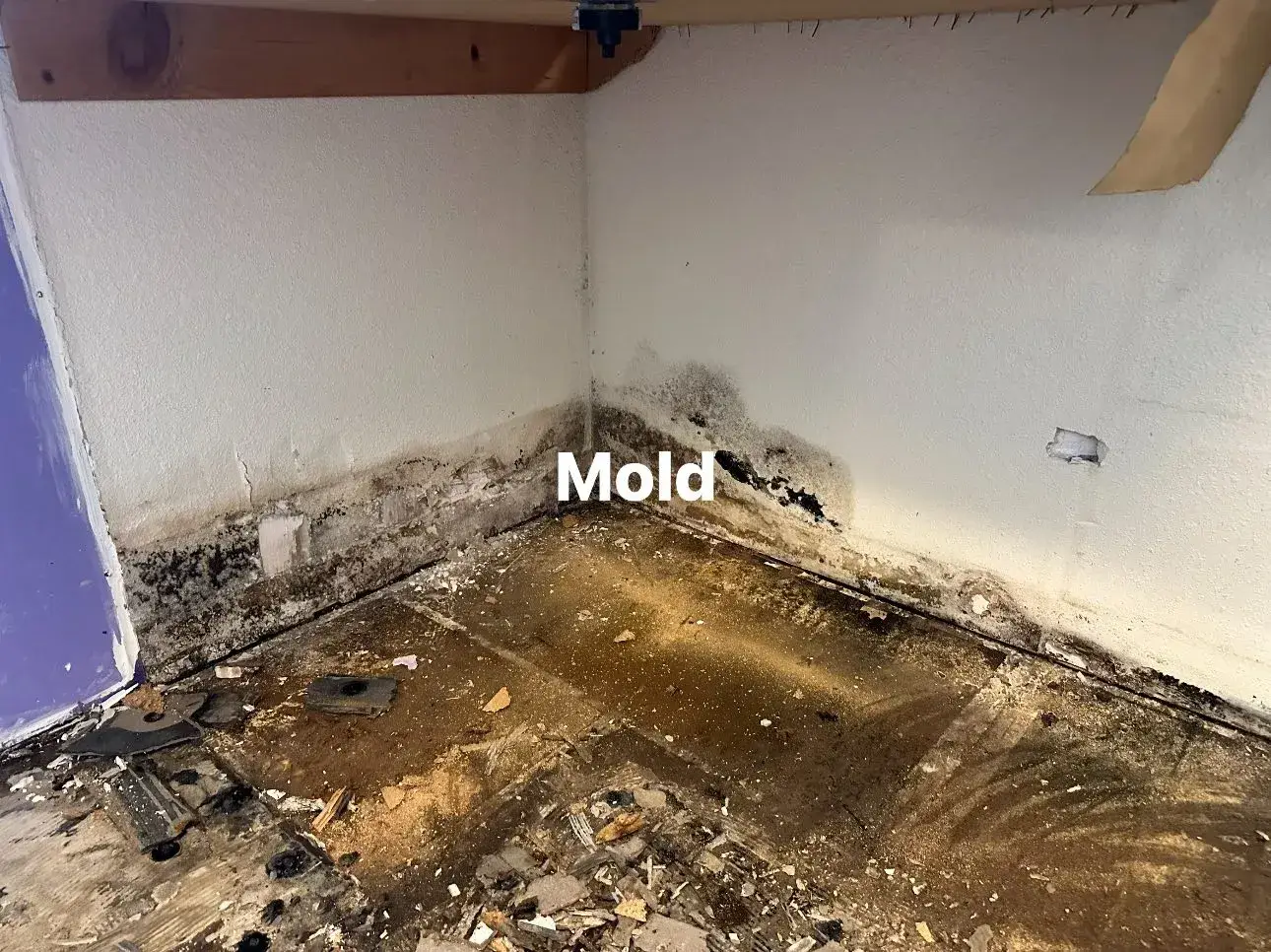
- Visible Mold Growth: Observe for patches on walls, ceilings, and other surfaces; colors may include black, green, or white.
- Musty Odors: A persistent musty odor commonly indicates concealed mold growth even when it is not visible.
- Water Stains: Discoloration or staining on walls and ceilings often signals moisture intrusion that may lead to mold.
Periodic inspections allow prompt intervention and reduce the risk of escalation.
What Are the Health Risks Associated with Mold Exposure in Homes?
Indoor mold exposure constitutes a documented health risk, particularly for individuals with asthma, allergic sensitization, or compromised immune function. Common adverse outcomes associated with exposure include:
- Respiratory Problems: Airborne spores can precipitate asthma exacerbations and other respiratory symptoms, including dyspnea and persistent cough.
- Allergic Reactions: Exposure may provoke allergic responses such as sneezing, rhinorrhea, and dermatitis.
- Impact on Indoor Air Quality: Mold presence degrades indoor air quality and can contribute to long‑term occupant health effects.
Given these documented risks, timely remediation is advised and professional services should be considered to ensure comprehensive removal and occupant safety.
Which Mold Prevention Tips Are Most Effective for Residential Areas?
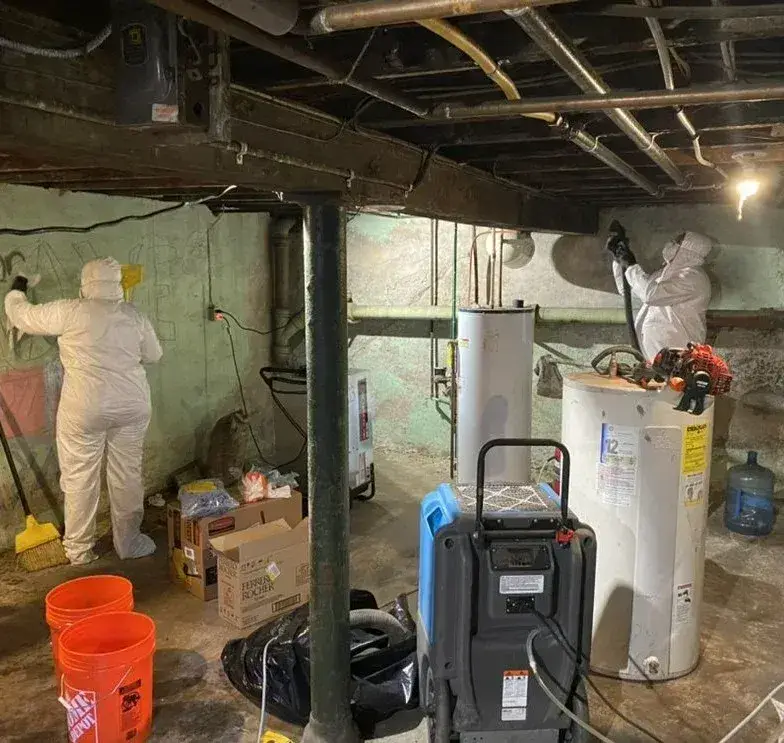
Preventing mold in residential settings requires a systematic, preventive approach. Recommended measures include:
- Moisture Control: Maintain relative humidity below 50% using dehumidifiers and ensure proper exterior drainage.
- Regular Inspections: Perform routine checks for plumbing and roof leaks and remediate defects promptly.
- Professional Remediation: For established mold issues, engage qualified providers such as VIP Restoration Services to ensure thorough remediation and recurrence prevention.
Adoption of these measures measurably decreases the probability of mold establishment in occupied buildings.
| Prevention Method | Description | Effectiveness |
|---|---|---|
| Moisture Control | Use dehumidifiers and proper drainage | High |
| Regular Inspections | Check for leaks and moisture issues | Medium |
| Professional Remediation | Hire experts for thorough mold removal | High |
This table summarizes comparative effectiveness of common prevention methods, emphasizing the central role of moisture control and the value of professional intervention.
When Should Homeowners Consider DIY Mold Remediation Versus Professional Services?
Deciding between do‑it‑yourself remediation and professional engagement depends on several factors:
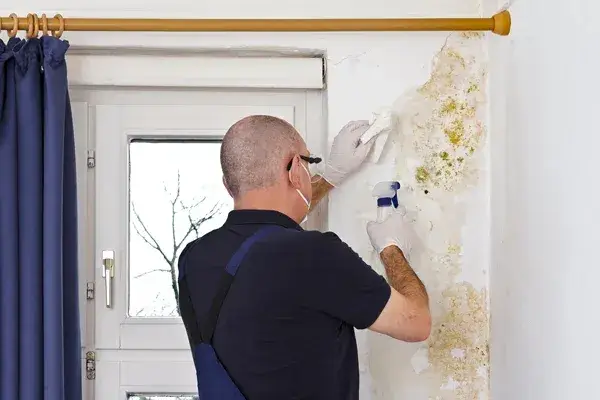
- DIY Remediation: Appropriate for limited contamination (less than 10 square feet) when the moisture source has been remediated. Individuals must use appropriate personal protective equipment and follow established safety procedures.
- Professional Services: Indicated for extensive infestations, recurrent contamination, or situations that pose health risks. Certified professionals possess the equipment and protocols required to remove mold safely and reduce recurrence.
The appropriate course of action should be determined by the infestation extent, the underlying moisture source, and the homeowner’s capacity to implement safe and compliant remediation.
Effective remediation is governed by established guidelines and expert recommendations to ensure comprehensive and safe removal.
Consensus Recommendations for Mold Remediation
This article provides consensus recommendations for managing effective mold remediation efforts and offers guidance for physicians, public health professionals, and communities.
Mold remediation in homes after flooding, JC Carlson, 2025
What Is the Emergency Mold Restoration Process Offered by Specialists?
Severe infestations often require emergency mold restoration. The standard specialist workflow includes:
- Assessment and Containment: Professionals assess the extent of growth and establish containment to limit cross‑contamination.
- Remediation Steps: This includes removal of contaminated materials, decontamination of surfaces, and application of antimicrobial treatments where appropriate.
- Monitoring and Reconstruction: Following remediation, specialists conduct verification monitoring and coordinate any necessary repairs or reconstruction.
Familiarity with this workflow assists homeowners in selecting appropriate services and evaluating remediation outcomes.
Recognition of the principal drivers of mold growth, coupled with proactive mitigation, protects occupant health and property value. For professional assistance, VIP Restoration Services provides specialized remediation and restoration services to restore a safe indoor environment.
Frequently Asked Questions
What are the common misconceptions about mold growth in homes?
Common misconceptions include the belief that mold only proliferates in visibly damp, dark locations; in fact, mold can establish in areas with elevated humidity even when surfaces appear dry. Another frequent error is assuming that bleach application achieves permanent remediation; bleach may remove surface discoloration but does not address underlying colonization or the moisture source. Correcting these misunderstandings is essential for effective management.
How can I improve ventilation in my home to prevent mold?
Improving ventilation reduces indoor moisture and lowers mold risk. Recommended measures include increasing natural ventilation when weather permits, operating exhaust fans in kitchens and bathrooms, and installing vents in attics and crawl spaces. HEPA‑equipped air cleaners can assist in reducing airborne spore concentrations and improving overall indoor air quality.
Are there specific materials that are more prone to mold growth?
Certain materials are more susceptible to fungal colonization, particularly organic substrates that provide nutrients. Common examples include wood, drywall, carpet, and fabric. These materials retain moisture and therefore facilitate proliferation. Using mold‑resistant products in moisture‑prone locations, such as basements and bathrooms, reduces risk.
What should I do if I find mold in my home?
If mold is detected, promptly identify and eliminate the source of moisture. For limited contamination (less than 10 square feet), competent homeowners may perform cleaning using appropriate personal protective equipment and approved cleaning agents. For larger infestations or where occupants have health vulnerabilities, engage a qualified mold remediation professional to ensure safe and thorough removal.
How does mold affect property value?
Mold can materially affect property value because prospective buyers account for remediation costs and potential health implications. Properties with known mold histories may require substantial remediation, which can reduce offers or impede transactions. Maintaining a mold‑free environment is important for preserving marketability and value.
What are the long-term effects of mold exposure on health?
Prolonged mold exposure has been associated with chronic respiratory symptoms, increased allergic sensitization, and exacerbation of preexisting conditions. In severe or prolonged exposures, additional systemic effects have been reported. Prompt identification and remediation reduce exposure duration and associated health risks.
Can mold grow in winter months, and how can I prevent it?
Mold can develop during winter when indoor humidity is elevated and ventilation is inadequate. Preventive actions include ensuring adequate insulation to reduce condensation on cold surfaces, using dehumidifiers to maintain relative humidity below 50%, regularly inspecting for leaks, and maintaining air circulation and interior temperatures that limit condensation.
Conclusion
Understanding the factors that promote mold growth is necessary for preserving a safe and healthy residential environment. Implementation of evidence‑based prevention, early detection, and timely remediation reduces health risks and property damage. When remediation is required, retain qualified professionals to ensure documented, comprehensive removal and restoration. Consult certified remediation providers to assess risk and implement corrective measures.