Understanding Long-Term Health Risks of Mold Exposure
Mold exposure presents significant health risks with potential long-term consequences. Prolonged contact can cause respiratory, allergic, and neurological effects. This article outlines the common symptoms of extended mold exposure, the associated health impacts, and practical remediation steps. Understanding these areas enables individuals to protect their health and reduce the hazards posed by mould. The discussion covers typical symptoms, specific health conditions linked to mould, and the steps used in professional remediation. Locating a dependable restoration provider is essential; VIP Restoration Services provides comprehensive solutions.
What Are the Common Symptoms of Long-Term Mold Exposure?
Extended exposure to mould may produce a range of persistent symptoms. Affected individuals often report chronic cough, breathlessness, and recurring bronchitis. Allergic responses can worsen, causing nasal congestion and skin irritation. In some cases, prolonged exposure is associated with cognitive difficulties and memory problems. Early recognition and timely remediation substantially reduce ongoing health risks.
VIP Restoration Inc specializes in property damage restoration services, including mold remediation, which focuses on eliminating health risks associated with long-term mold exposure.
How Does Mold Exposure Affect Respiratory Health?
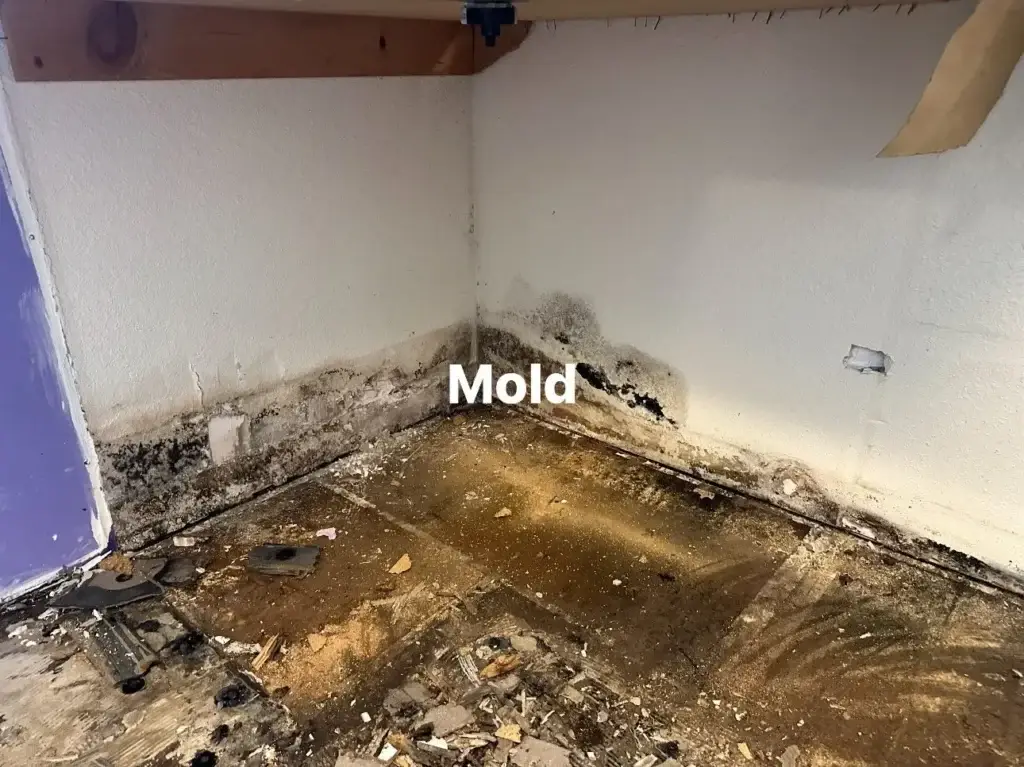
Mould spores commonly aggravate respiratory conditions, particularly in people with asthma. Exposure can trigger more frequent asthma attacks and contribute to chronic bronchitis. Immunocompromised individuals are at higher risk of severe respiratory complications and require prompt assessment and mitigation of mould sources.
What Neurological and Chronic Illness Symptoms Can Mold Cause?
Prolonged exposure to toxic moulds has been linked to neurological symptoms such as impaired concentration, persistent headaches, and chronic fatigue. Research indicates associations between certain toxic species and cognitive decline, underscoring the importance of addressing mould contamination quickly to limit further health deterioration.
Which Health Problems Are Caused by Prolonged Mold Toxicity?
Long-term mould exposure may contribute to ongoing respiratory problems, including persistent coughing and wheezing, which can evolve into chronic conditions if unaddressed. Prolonged exposure can also increase vulnerability to secondary infections. Recognising these implications supports early intervention and comprehensive remediation planning.
What Are the Risks of Chronic Mold Illness?
Chronic mould-related illness poses particular dangers for vulnerable groups such as children and older adults, who can experience more severe and lasting effects. Evidence links long-term exposure to the development or worsening of chronic respiratory diseases, making regular monitoring and prompt action essential in at-risk environments.
What Steps Are Included in Expert Mold Remediation and Restoration?
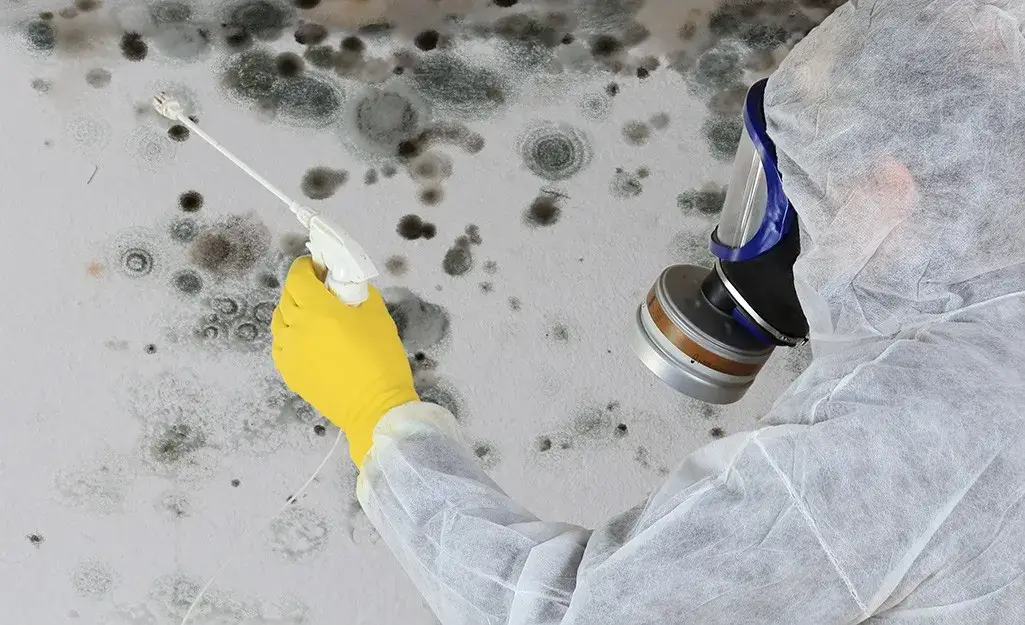
Professional mould remediation follows a structured process: a thorough inspection, containment of the affected area, targeted removal of contamination, and verification that air quality is restored to acceptable levels. The initial assessment identifies moisture sources, which guides a detailed remediation plan and the techniques used to remove mould. Post-remediation testing and follow-up confirm that the environment is safe. For further details, review our restoration process at VIP Restoration Services.
How Is Mold Inspection and Containment Conducted Safely?
Safe inspection and containment prevent additional exposure during assessment. Trained inspectors use appropriate personal protective equipment and established containment methods to limit cross-contamination. Controlling air movement and monitoring air quality during these procedures protects occupants and preserves the integrity of the site.
When Should You Seek Professional Help for Mold-Related Health Concerns?
Seek professional assistance when respiratory symptoms persist or visible mould is present. Chronic cough, worsening allergic reactions, or unexplained breathing difficulties merit prompt evaluation. Timely professional assessment and remediation reduce the chance of serious, long-term health consequences.
What Are Warning Signs Indicating Serious Mold Exposure?
Key warning signs of significant mould exposure include unexplained allergic responses, ongoing respiratory issues, and declines in cognitive function. When such symptoms appear, inspect the home or workplace for mould and consult a remediation specialist for a formal assessment. Reviewing our company can help you understand the services available.
How Can a Free Mold Inspection Estimate Help Homeowners in Sacramento?
A free mould inspection estimate helps homeowners identify problem areas and early signs of mould before they escalate. A professional evaluation outlines the scope of contamination and recommended steps to protect health and property. Engaging experienced remediation experts provides clarity on necessary actions and reassurance during the remediation process.
Understanding the symptoms, health implications, and remediation options for mould exposure empowers individuals to act decisively to protect themselves and their families. For prompt assistance, please contact us through our contact form.
Frequently Asked Questions
How can mold exposure impact long-term health?
Extended mould exposure can cause lasting health issues beyond immediate allergic reactions. People may develop chronic respiratory conditions such as asthma or bronchitis and experience ongoing fatigue or neurological symptoms, including memory and concentration problems. Those with existing health concerns are at greater risk. Removing mould from the environment is essential to reduce these long-term risks and support recovery.
What are the different types of mold that can cause health issues?
Several mould species are associated with health risks, notably Stachybotrys chartarum (black mould), Aspergillus and Penicillium. Some of these species can produce mycotoxins, which have been implicated in respiratory and allergic reactions and, in some cases, neurological symptoms. Awareness of these types supports targeted prevention and timely remediation.
What preventative measures can homeowners take against mold growth?
Homeowners should control indoor humidity (ideally 30–50%), ensure adequate ventilation, and promptly repair leaks or water damage. Regular inspection of moisture-prone areas—bathrooms, basements, and utility rooms—helps detect problems early. Using mould-resistant materials during repairs or renovations further reduces the risk of future growth.
How can I tell if mold is affecting my indoor air quality?
Indicators that mould is affecting indoor air quality include a persistent musty odour, repeated respiratory complaints among occupants, and visible mould on surfaces. Excessive humidity or condensation on windows also suggests conditions favourable to mould. Professional air quality testing provides objective data to guide remediation decisions.
Are there specific health risks for children and pets related to mold exposure?
Children and pets are particularly vulnerable to mould exposure. In children, mould can worsen asthma symptoms and may affect development if exposure is prolonged. Pets can develop respiratory problems and skin irritation. Maintaining a mould-free environment is important to protect the health of both children and animals.
What steps should I take if I discover mold in my home?
If you find mould, address the moisture source first. Consider using protective equipment when handling small areas, or engage a professional remediation service for larger or hazardous infestations. Document the extent of the problem for insurance purposes and ensure the affected area is thoroughly dried and ventilated after remediation to prevent recurrence.
Conclusion
Recognising and addressing the long-term health risks of mould exposure is essential to protecting wellbeing. Identifying symptoms early and pursuing timely remediation reduces the likelihood of serious health outcomes. Explore appropriate inspection and remediation options and rely on experienced providers such as VIP Restoration Services for a measured, professional response that prioritises safety for you and your family.