By VIP Restoration Editorial Team · Updated 2026-08-30
Industrial mold removal for commercial buildings requires certified crews to assess contamination, contain affected areas, and remediate quickly since mold can begin growing and spreading within 48-72 hours. VIP Restoration Inc., based in Sacramento, CA, emphasizes structured assessment and strict containment protocols to protect operations, health, and property value in large facilities.
Effective industrial mold removal for commercial buildings follows EPA-guided protocols: source moisture identification, containment of affected zones, HEPA filtration, and removal of contaminated materials. VIP Restoration applies structured mitigation-to-reconstruction workflows, coordinating inspection, remediation, and repair under one process. This reduces downtime, prevents recontamination, and restores safe, code-compliant conditions for facility managers and property owners.
Key Takeaways
- EPA guidelines establish structured protocols for investigating, evaluating, and remediating mold in commercial buildings nationwide.
- Professional mold remediation teams implement strict containment procedures to prevent contamination spread across large facilities.
- Commercial mold removal requires compliance with safety standards in offices, schools, healthcare facilities, and industrial spaces.
- VIP Restoration Inc. in Sacramento, CA connects with clients within 24 hours for expert assessment.
Why Does Industrial Mold Spread So Fast?
Speed defines the threat. Mold colonies establish themselves and spread across a commercial property in just 48 to 72 hours after moisture exposure begins. That narrow window explains why facility managers cannot treat a damp ceiling tile or a wet carpet section as a low-priority maintenance item. Waiting even a single business day gives spores time to multiply and release allergens throughout occupied space.
Ventilation systems accelerate the problem further. Mold favors damp, humid environments, and once established, it travels quickly through a building’s HVAC ductwork if nobody intervenes. A localized issue in one storage area can reach offices, break rooms, and production floors within days, turning a contained problem into a building-wide one.
What Causes Mold to Spread After a Water Event?
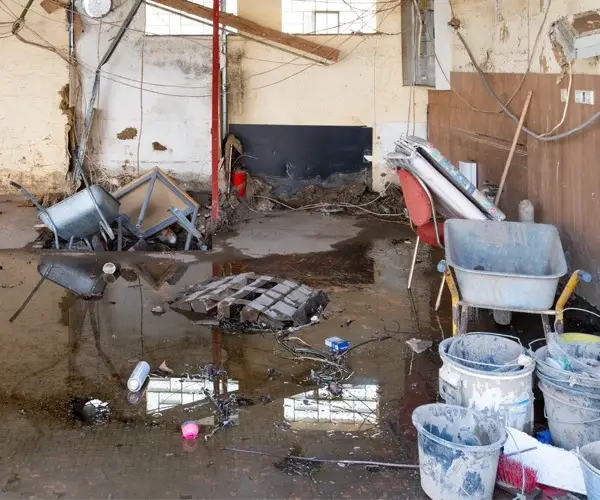
Burst pipes, roof leaks, and sewage backups create the moisture mold needs to take hold. Without prompt drying and repair, these events lead directly to secondary damage, including mold colonization and structural deterioration. Industrial mold removal strategies succeed only when they address the water source first, not just the visible growth.
The operational cost compounds quickly. Unresolved water emergencies:
- Halt daily operations across affected zones
- Damage stored inventory and equipment
- Compromise structural and occupant safety
Facility executives who delay assessment risk turning a manageable moisture event into a multi-week shutdown affecting employees, tenants, and revenue simultaneously.
What Are The Key Remediation Steps?
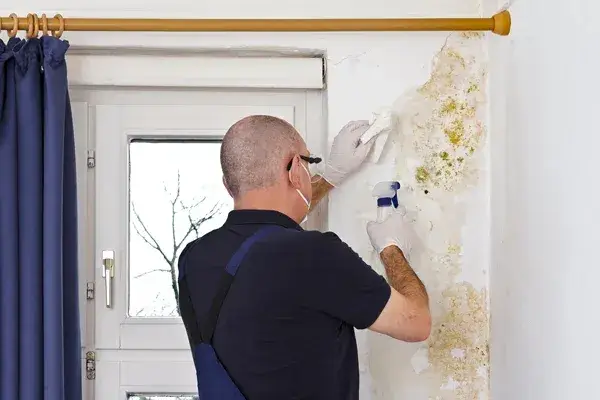
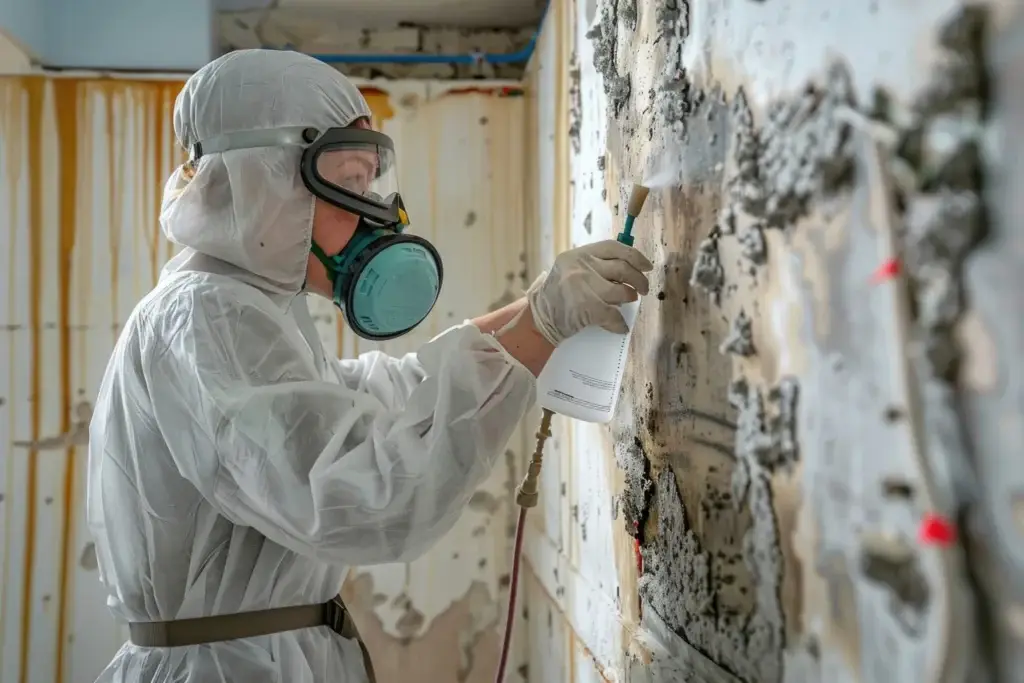
Commercial mold remediation follows a defined sequence: identifying the source, containing the affected area, removing contaminated materials, and preventing regrowth in non-residential buildings. Facility managers who skip a phase risk recurring outbreaks across warehouses, offices, or production floors. Sound industrial mold removal strategies depend on discipline at every stage, not just surface cleaning.
The process typically unfolds as follows:
- Assessment – Crews respond quickly to evaluate moisture sources, humidity levels, and the extent of visible or hidden contamination.
- Water and moisture control – Standing water gets removed, and affected areas are dried using industrial-grade equipment before mold can spread further.
- Containment and removal – Contaminated materials are isolated and removed to stop spores from migrating through HVAC systems or open corridors.
- Drying and verification – Structural drying continues until moisture readings confirm the space is safe for reoccupation.
- Prevention – Building systems get corrected to eliminate the conditions that allowed mold to grow in the first place.
How Quickly Should a Remediation Team Respond?
Speed matters. Teams that assess conditions promptly, extract water, and apply controlled drying methods prevent damage from spreading into adjacent rooms or ductwork. Delayed response often turns a contained issue into a building-wide problem.
What Is the Ultimate Goal of Mold Remediation?
Stabilizing the property comes first. The objective is to prevent secondary damage—structural decay, air quality issues, or business interruption—while restoring operational continuity as efficiently as possible. For facility managers, that means fewer closed days and a documented process that satisfies insurers and health inspectors alike.
How Does Containment Protect Industrial Spaces?
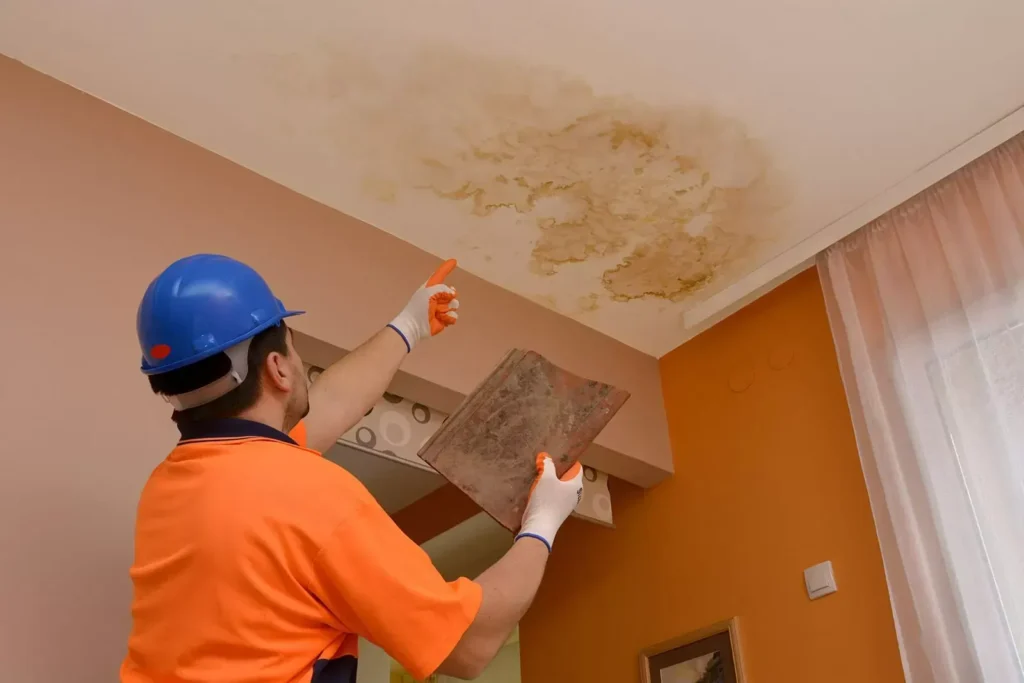
Containment stops mold spores from traveling through ductwork, open bays, and shared airspace common in warehouses and plants. Without physical barriers, a localized problem spreads to inventory zones, offices, and production lines within days. Industrial facilities, schools, offices, and healthcare buildings all share this exposure: mold work in any of these settings demands structured assessment, strict isolation of the affected area, and compliance with recognized safety standards. Skipping these steps risks contaminating clean zones that were never part of the original problem.
Effective industrial mold removal strategies rely on sealed work areas, negative air pressure, and controlled entry points to keep spores from reaching unaffected sections of a facility. Crews assess the scope first, then isolate it before any demolition or drying begins. This sequence matters because containment failures often cost more to fix than the original mold problem.
Why Does Containment Matter for Business Continuity?
Containment allows unaffected portions of a warehouse or office to keep functioning during remediation. Structural risks and health hazards from airborne mold are serious concerns for building occupants and the property itself, so isolating the work zone protects both people and the structure simultaneously. Organized workflows paired with accurate moisture tracking reduce the chance of operations grinding to a halt.
What Equipment Supports Large-Scale Containment?
Large commercial projects require equipment built for scale, not spot repairs. Facility managers should expect crews prepared for:
- Negative air machines with HEPA filtration
- Physical barrier systems for sealing work zones
- Moisture meters for ongoing tracking
- Air scrubbers sized for industrial square footage
This equipment supports minimizing downtime while active operations continue elsewhere in the building.
Why Does Communication Reduce Restoration Stress?
Clear, consistent updates give facility managers control over an otherwise chaotic situation. Uncertainty about timelines, costs, and next steps ranks among the biggest stressors during a mitigation project. Without steady information, executives lose confidence in the process and start second-guessing every decision. VIP Restoration Inc., based in Sacramento, CA, addresses this directly by keeping property managers and business owners informed at every stage of the mitigation process, including industrial mold removal strategies applied to affected commercial spaces.
Daily updates matter because mold problems left unresolved can threaten far more than the immediate cleanup bill. An unaddressed issue can damage a business’s bottom line through lost productivity, tenant complaints, or closed floors. Consistent reporting lets decision-makers act before small problems become expensive ones.
Does VIP Restoration Handle Insurance Claims?
Yes. The team works directly with all insurance companies to simplify the claims process and reduce delays for affected businesses. This coordination removes a significant burden from property owners already managing operational disruption. Instead of chasing adjusters or deciphering policy language alone, clients get a partner who speaks that language for them.
What Does Daily Communication Actually Look Like?
Updates typically cover progress notes, safety findings, and adjusted timelines shared throughout each phase of work. This structure keeps stakeholders aligned without requiring them to track technical details themselves.
- Regular status reports during active mitigation
- Direct coordination with insurance carriers on claims
- Transparent timelines for commercial properties across the Sacramento region
Together, these practices turn an unpredictable process into one facility managers can actually plan around.
What Should Facility Managers Do Next?
Facility managers facing an active mold problem should select a remediation partner equipped for the full lifecycle of the project, not just the first cleanup visit. A single treatment rarely resolves contamination hidden in HVAC systems, wall cavities, or industrial equipment. Effective industrial mold removal strategies require a provider that stays engaged from the first inspection through final structural repairs.
Ownership over every phase matters. Restoration teams that support commercial clients through assessment, remediation, and rebuilding reduce the risk of repeat outbreaks and prevent gaps in accountability between contractors.
What Should a Facility Manager Look for in a Mold Remediation Vendor?
Credentials come first. Facility managers should confirm that technicians are highly trained and certified, with proven ability to clean, sanitize, and mitigate mold quickly and without disrupting operations further than necessary. Speed matters, but so does thoroughness — a rushed job often leaves spores behind.
Beyond certification, look for:
- Clear, daily communication covering assessment findings, cleanup progress, and structural repair timelines
- Documented experience with commercial-scale projects, not just residential jobs
- A structured process that moves logically from inspection to remediation to reconstruction
- Stakeholder updates that keep property owners, tenants, and executives informed at every stage
Why Does Experience Level Matter for Large Facilities?
Complex commercial mold cases demand more than basic cleanup skills. Providers with decades of combined experience and a track record of thousands of completed projects understand the structural, mechanical, and regulatory complications unique to large buildings.
That depth of knowledge translates into fewer surprises mid-project. Facility managers gain confidence knowing the team handling their mold issue has already navigated similar challenges across warehouses, offices, and industrial sites — protecting both the building and its occupants from prolonged exposure.
FAQ
How quickly does mold spread in commercial buildings?
Mold colonies establish and spread across a commercial property within 48 to 72 hours after moisture exposure begins. HVAC ductwork carries spores building-wide if untreated.
What causes mold to develop after a water event?
Burst pipes, roof leaks, and sewage backups create the moisture mold needs to colonize; without prompt drying and repair, secondary damage and structural deterioration follow.
What are the key steps in commercial mold remediation?
Remediation follows a defined sequence: identifying the moisture source, containing the affected area, removing contaminated materials, and preventing regrowth using HEPA filtration and structured protocols.
Conclusion
In closing, industrial mold removal demands a systematic approach combining advanced detection, targeted remediation, and preventive measures to protect building integrity and occupant health. Professional restoration teams equipped with specialized equipment and industry expertise address contamination thoroughly while minimizing operational disruption. For commercial properties facing mold challenges, partnering with experienced restoration professionals ensures comprehensive solutions that restore safety, compliance, and peace of mind across your facility.
Ready to Protect Your Facility?
Mold spreads fast, and every hour of delay raises the risk to your building, your operations, and your bottom line. VIP Restoration Inc. is ready to assess your property, contain the problem, and guide you through remediation from first inspection to final repair. Call us to schedule an assessment.