
Water damage can disrupt a commercial property without warning, leaving business owners facing damaged interiors, affected inventory, and unexpected interruptions. A leaking pipe, overflowing fixture, roof leak, or equipment malfunction can allow water to spread through offices, storage areas, and other essential spaces. Even after visible water disappears, moisture may remain trapped beneath flooring, behind walls, and inside building materials, creating additional concerns if it is not addressed promptly.
VIP Restoration provides commercial water damage services in Elk Grove, CA, helping commercial property owners manage water intrusion through a coordinated restoration approach. From initial water extraction and moisture assessment to structural drying, cleaning, and necessary repairs, the team addresses affected areas and supports faster recovery. Professional restoration helps businesses protect their property, limit further deterioration, and work toward returning to normal operations as conditions allow.
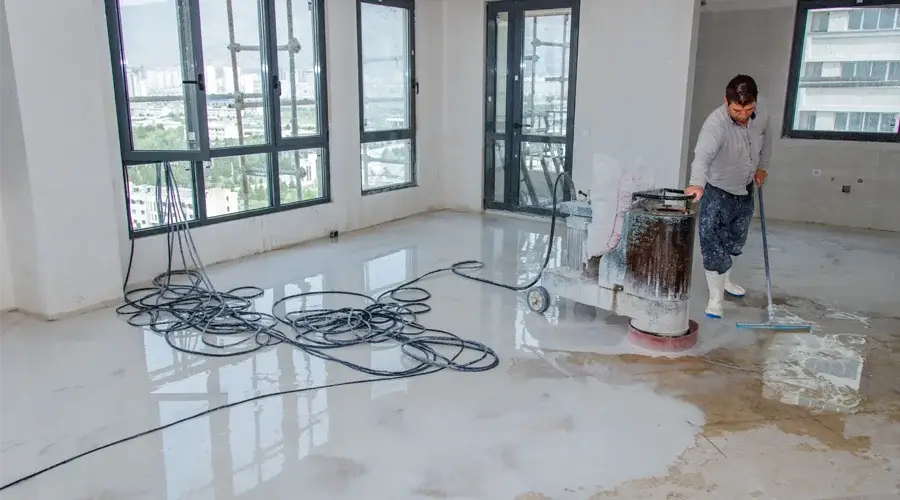
The first steps after water intrusion can significantly affect recovery. Businesses seeking commercial water damage services in Elk Grove, CA should prioritize identifying the water source, evaluating potential hazards, removing standing water, and protecting unaffected equipment and inventory. Documenting visible damage and checking concealed spaces can also help guide restoration planning and insurance discussions. Coordinating professional assistance supports efficient extraction, drying, cleaning, and repairs. Businesses should avoid hazardous areas and contaminated water until safety measures are in place to protect employees, visitors, and valuable property.
Commercial water damage services in Elk Grove, CA can help businesses move from sudden water intrusion toward an organized recovery. Although each property has different needs, restoration typically follows a sequence designed to address damage, remove moisture, and prepare affected spaces for repairs. The process may include these essential stages:
Clear communication helps property managers coordinate access, protect unaffected areas, and understand the work ahead. The overall timeline depends on the volume of water, the materials affected, concealed moisture, and the extent of repairs required. Prompt professional attention can help limit further damage and support a safer return to normal business activities.
Standing water can quickly damage flooring, furnishings, inventory, and equipment. Professional extraction removes accumulated water and prepares affected areas for drying. Fast removal limits prolonged exposure, though materials may still need further moisture treatment.
Finding where water entered and how far it traveled helps shape the restoration plan. An assessment identifies visible damage, considers the water source, and establishes priorities for extraction, cleaning, and repairs.
Water can seep behind walls, beneath flooring, and into ceiling cavities without obvious surface signs. Appropriate detection tools help locate damp materials, identify concealed moisture, and determine where additional drying or inspection is necessary.
After extraction, building materials may retain moisture that can continue to deteriorate them. Professional drying equipment and regular monitoring help remove trapped moisture and track progress until affected areas reach suitable dryness levels.
Some materials cannot be safely or effectively restored because of extensive damage or contamination. Removing affected drywall, insulation, or flooring can prepare spaces for thorough cleaning, drying, and replacement based on the condition and water source.
Furniture, office equipment, documents, merchandise, and supplies may need individual evaluation. Identifying salvageable contents helps owners decide what can be cleaned or dried and what requires replacement, reducing avoidable losses where possible.
Water-affected surfaces may require cleaning according to the source and contamination level. Appropriate methods help remove residue and address potential health concerns, while treatment choices should reflect the materials involved and the condition of each space.
Persistent moisture can create conditions that support mold growth. Prompt extraction, complete drying, and moisture monitoring help reduce this risk. If mold is already present, you may need a qualified assessment and appropriate remediation.
Musty smells can linger when damp materials or affected contents remain untreated. Effective odor control starts by resolving the moisture source, then uses suitable cleaning and deodorization methods to improve indoor conditions rather than simply masking smells.
Once affected areas are dry and assessed, damaged interior finishes may need repair or replacement. Work can include drywall, flooring, ceiling panels, trim, and other surfaces, helping restore usability and a clean, professional appearance.
Severe water damage may require rebuilding beyond basic repairs. Coordinating reconstruction with the broader restoration plan helps organize work, manage project stages, and return affected spaces to their intended function according to the property’s needs.
Water may reach electrical components, mechanical equipment, or other building systems. Appropriate professionals should assess these areas before returning them to service to help property managers address safety concerns and identify necessary repairs.
Photographs, inspection findings, and records of affected contents can help businesses track the damage and communicate with insurers. Organized documentation also supports restoration planning by clarifying completed work and outstanding repairs.
Before resuming regular use, review completed work for any remaining concerns. Depending on the project, this may include checking moisture readings, inspecting repaired surfaces, and confirming that necessary cleaning and restoration tasks are complete before normal business operations fully resume.
Water intrusion can disrupt operations and damage valuable assets across commercial facilities. VIP Restoration provides commercial water damage services in Elk Grove, CA, for various property types, including:
Water damage can create hidden problems that disrupt business operations and increase repair costs. Businesses seeking commercial water damage services in Elk Grove, CA, may encounter several challenges that require timely attention and careful restoration planning. Common concerns include:
Water damage can disrupt business operations while leaving owners concerned about property, inventory, and employee safety. A structured restoration plan helps prioritize urgent needs and guide recovery from initial assessment through drying, cleaning, and repairs. VIP Restoration supports commercial properties affected by leaks, flooding, and other water-related incidents. Commercial water damage services in Elk Grove, CA help businesses identify damage, address moisture, and determine which materials may be restored. Key restoration steps include:
Professional restoration helps business owners make informed decisions and work toward reopening their facilities.
FAQs
When water enters a commercial property, waiting too long to address the problem can create additional complications. Standing water and retained moisture may continue affecting building materials and business assets, making early assessment an important part of the recovery process. A coordinated approach helps property owners understand the work involved and plan to restore affected spaces.
VIP Restoration supports businesses through water damage, from initial assessment and extraction to drying, cleaning, and reconstruction when needed. With commercial water damage services in Elk Grove, CA, property owners can take informed steps to restore their facilities and address damage before it worsens. Contact VIP Restoration to discuss your commercial property’s water damage concerns and determine the appropriate next steps for recovery.
Get Started Today
Get Your Free Estimate Now