What to Expect From Professional Mold Removal Services: Comprehensive Mold Remediation Process and Costs Explained
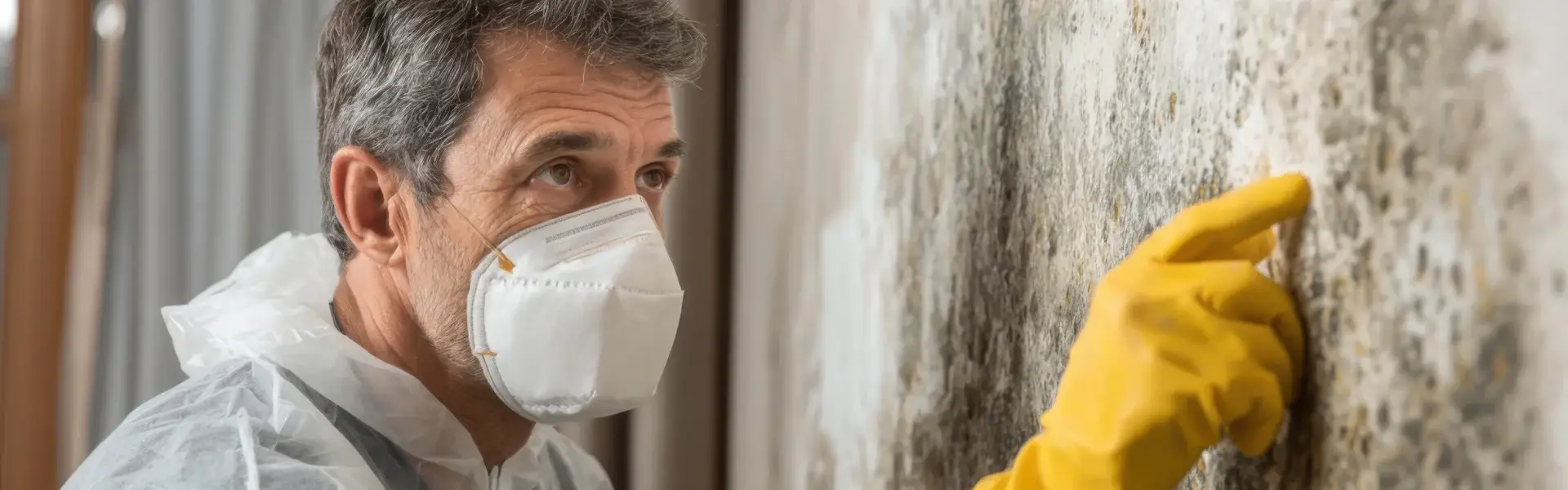
Mold can harm health and building fabric, so professionals are often needed. This article explains the remediation workflow, typical costs, and realistic outcomes so homeowners can make informed choices about removal and prevention.
Steps Involved in Mold Remediation
Remediation is a controlled, stepwise process aimed at removing mold and preventing recurrence. Typical stages are:
- Assessment and Containment: Inspectors locate contamination and isolate the area to limit spore spread.
- Remediation: Remove or clean affected materials and treat surfaces with appropriate agents.
- Drying and Monitoring: Dry the space and monitor moisture to stop regrowth.
These actions restore safety and reduce the chance of repeat problems.
Understanding Professional Mold Removal and Remediation Costs
Professional mold remediation generally produces noticeable improvements. Common outcomes include:
- Improved Indoor Air Quality: Reduced allergens and airborne spores.
- Restored Property Integrity: Repairs and material replacement prevent further damage.
- Reduced Health Risks: Lowered exposure-related symptoms for occupants.
For homeowners in Sacramento, VIP Restoration Inc offers these services.
Understanding mold’s health implications and basic prevention strategies helps maintain a safer property.
Mold Prevention, Health Effects & Clean-Up Guidelines
Extensive water damage following major hurricanes and floods increases the risk of mold contamination in buildings. This report describes methods to limit exposure and to identify and prevent mold-related health effects. Where scientific uncertainty exists, it offers practical, health-protective guidance. The document includes evidence and recommendations on assessing exposure, clean-up and prevention, personal protective equipment, health effects, and public health strategies.
Mold prevention strategies and possible health effects in the aftermath of hurricanes and major floods, 2006
Associated Costs
Costs vary by infestation size, property area, and insurance. Key cost drivers include:
- Extent of Contamination
- Property Size
- Insurance Coverage
Typical service ranges are shown below:
| Service | Cost | Factors Influencing Cost |
|---|---|---|
| Initial Inspection | $200 – $500 | Size of the property, extent of mold |
| Mold Remediation | $500 – $3,000 | Severity of infestation, materials needed |
| Post-Remediation Testing | $100 – $500 | Verification of mold removal |
This summary helps homeowners budget for inspection, remediation, and verification.
How Does the Professional Mold Inspection and Testing Process Work?
Inspection and testing identify presence, extent, and likely causes. A typical process includes:
- Schedule a Consultation: Book an on-site visit.
- On-Site Visual Assessment: Inspectors look for visible mold and moisture sources.
- Comprehensive Reporting: A report outlines findings and recommended remediation steps.
Professional assessment supports targeted remediation and helps prioritise risk-based actions.
Professional Mold Inspection & Remediation Strategies
Mold in residential buildings poses a significant threat to both occupant health and structural integrity, particularly in older homes. This study develops a localized mold-risk profile by integrating household characteristics, occupant awareness, and prevailing remediation practices. Classification using a Mold Severity Index (MSI) relied on professional inspection and contractor remediation reports, including air and surface sampling. Common strategies, such as general removal, probiotic treatments, and dehumidification, contributed to identifying homes at risk of concealed mold growth.
Integrating Household Characteristics,
Mold Inspection and Remediation Data to Develop Localized Mold-Risk Profiles for Residential Buildings, P Salehi, 2025
What Are the Key Steps in Mold Inspection Services?
Inspection steps are straightforward:
- Booking the Inspection: Arrange an appointment with a certified inspector.
- Visual Examination: Check visible areas and likely moisture sources.
- Advanced Testing: If needed, collect air/surface samples for lab analysis.
These steps produce a clear picture of condition and risk.
How Is Mold Testing Conducted to Identify Mold Types and Severity?
Testing typically includes:
- Initial Assessment: Look for visible mold and moisture.
- Moisture Detection: Use meters to find hidden dampness.
- Reporting Findings: Lab results and interpretation guide remediation.
Testing results help select appropriate remediation methods.
What Are the Essential Steps in the Mold Remediation Process?
Core remediation steps are:
- Assessment and Containment: Define and isolate affected areas.
- Remediation Steps: Remove or clean contaminated materials and treat surfaces.
- Final Inspection: Verify visible removal and safe re-entry.
These steps form a documented, accountable process.
How Is Mold Containment and Removal Performed Safely?
Common safety measures include:
- Containment: Barriers and isolation to limit spread.
- Air Quality Management: HEPA filtration and negative pressure when needed.
- Verification and Monitoring: Post-removal checks and moisture monitoring.
These practices protect occupants and workers during remediation.
What Clearance Testing Ensures Mold Has Been Effectively Eliminated?
Clearance testing confirms remediation success:
- Testing Methods: Post-remediation air and surface sampling.
- Criteria for Success: Predefined thresholds or comparisons to background levels.
- Reporting Findings: A final report documents results and clearance for re-occupancy.
Clearance testing supports confident re-entry decisions.
What Are the Typical Costs and Insurance Coverage for Mold Removal Services?
Mold remediation costs depend on size and severity; typical job ranges are noted above. Homeowners should review insurance policies — coverage varies and often depends on the cause of mold (e.g., a covered peril versus neglect).
How Can Homeowners Prevent Future Mold Growth After Professional Cleanup?
Prevent recurrence with simple, ongoing actions:
- Moisture Management: Ventilate bathrooms and use dehumidifiers in damp spaces.
- Routine Home Checks: Inspect basements, attics, and plumbing regularly.
- Ongoing Maintenance: Repair leaks and water damage promptly.
These steps reduce the risk of new growth.
What Maintenance Tips Help Avoid Mold Recurrence?
- Repair Leaks Promptly: Fix plumbing and roof issues immediately.
- Use Dehumidifiers: Maintain lower humidity in problem areas.
- Schedule Regular Inspections: Catch problems early with periodic checks.
Consistent maintenance is the best defence against return.
How Does Regular Inspection Support Long-Term Mold Prevention?
Regular inspections help detect moisture issues early and guide preventive measures. Recommended practices:
- Routine Inspections: Periodic checks to spot leaks and condensation.
- Recommended Frequencies: At least annually, more often in high-risk homes.
- Effective Inspection Practices: Use trained professionals when risk is unclear.
To learn more about our restoration process, visit our website. If you have questions or wish to schedule an inspection, please contact us today.
Frequently Asked Questions
What are the health risks associated with mold exposure?
Mold exposure can trigger coughing, sneezing, eye and skin irritation, and worsen respiratory conditions in sensitive individuals. Removing mold and controlling moisture reduces these risks.
How can I identify mold in my home?
Look for visible discoloration, water stains, peeling paint, and musty odours. Suspected hidden mold warrants a professional inspection and testing.
What should I do if I find mold in my home?
Limit access to the area, avoid spreading spores, and contact a remediation service for assessment and a safe removal plan.
Are DIY mold removal methods effective?
DIY approaches can address very small surface patches but may not fix hidden moisture or fully remove contamination. Larger or recurring infestations require professionals.
How long does the mold remediation process take?
Duration varies by extent and complexity; many jobs take several days to a week. Your contractor will provide a timeline after inspection.
What are the signs that I need professional mold remediation?
Visible mold over larger areas, persistent musty odours, water damage, or health symptoms among occupants are signs to seek professional help.
Can mold return after remediation?
Yes—if moisture sources remain. Control humidity, fix leaks, and schedule inspections to reduce the chance of recurrence.
Conclusion
Professional mold removal restores air quality, protects building materials, and reduces health risks. Knowing the remediation steps, likely costs, and prevention methods helps homeowners choose the right response. Consider a professional inspection to confirm conditions and begin remediation for a safer, mold-free home.