Selecting a Reliable Local Mold Inspection Company
Choosing a qualified local mold inspection company helps protect property and occupant health in moisture-prone areas. This guide explains how to verify certifications, what drives inspection and remediation costs, and best practices for hiring local firms that can both inspect and remediate.
Certified Services
Verify recognised credentials—such as —and alignment with guidance. Experienced companies should offer testing, a clear remediation plan, and experience with homes like yours.
A credible provider will offer thorough testing and practical remediation plans to enable an effective response if mold issues are detected.
Cost Considerations
Inspection and remediation costs depend on predictable factors. Below are the main elements that influence pricing so homeowners can set realistic expectations.
- Property Size: Larger homes require more time and inspection effort.
- Location: Regional market rates and demand affect pricing.
- Extent of the Problem: Complex or widespread infestations need more testing and work.
For comprehensive remediation, budget roughly $500 to $6,000 depending on scope and methods required.
What Are the Signs You Need a Professional Mold Inspection?
Early detection lowers repair and health risks. Seek a professional inspection when you notice any of the items below.
- Visible Mold Growth: Patches of black, green, or white in damp areas.
- Musty Odors: Persistent smells that suggest hidden mold.
- Health Symptoms: Respiratory or allergy symptoms that improve away from home.
How Does Mold Affect Home and Health?
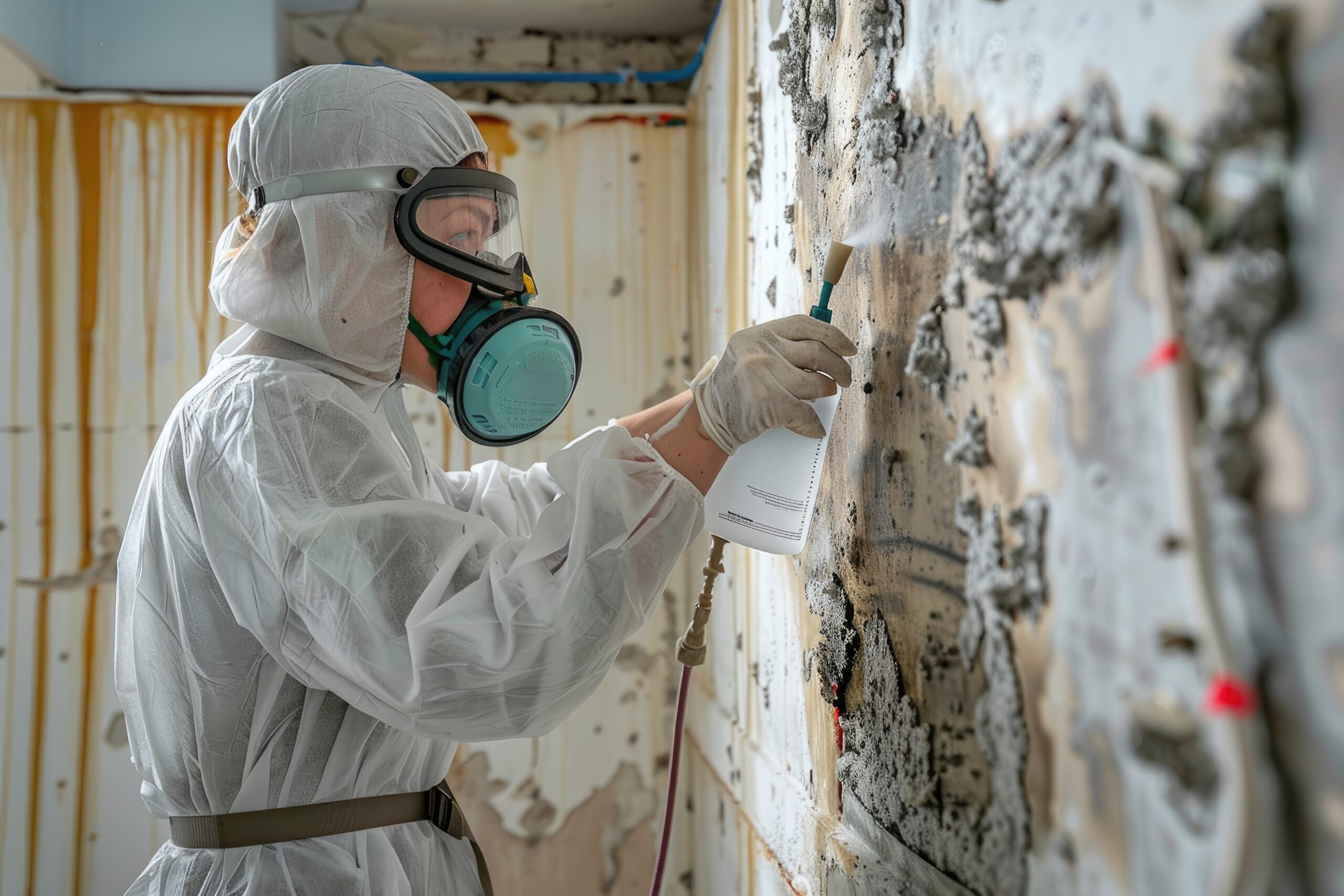
Mold spores can trigger allergic and respiratory symptoms, especially in sensitive individuals, and can degrade materials like timber and drywall, increasing repair costs if left unaddressed.
When Should You Schedule a Mold Inspection?
Schedule an inspection promptly in these situations to limit spread and damage.
- After Water Damage: Inspect immediately after leaks or floods.
- Post-Weather Events: Check after significant storms or flooding.
- Routine Checkups: Periodic inspections help catch issues early.
How Is the Certified Mold Inspection Process Conducted?
Certified inspections start with a visual survey, followed by targeted testing (for example, air and surface sampling) where indicated. Inspectors document findings and provide a written report with recommended remediation steps and health notes.
What Tools and Techniques Do Certified Inspectors Use?
Inspectors use calibrated instruments and proven methods—moisture meters, infrared imaging, and air-sampling equipment—to locate moisture, reveal hidden growth, and estimate spore levels.
- Moisture Meters: Measure humidity and detect damp spots.
- Infrared Cameras: Reveal temperature differences that indicate wet areas.
- Air Sampling Kits: Collect airborne spores for laboratory analysis.
What Does a Mold Inspection Report Include?
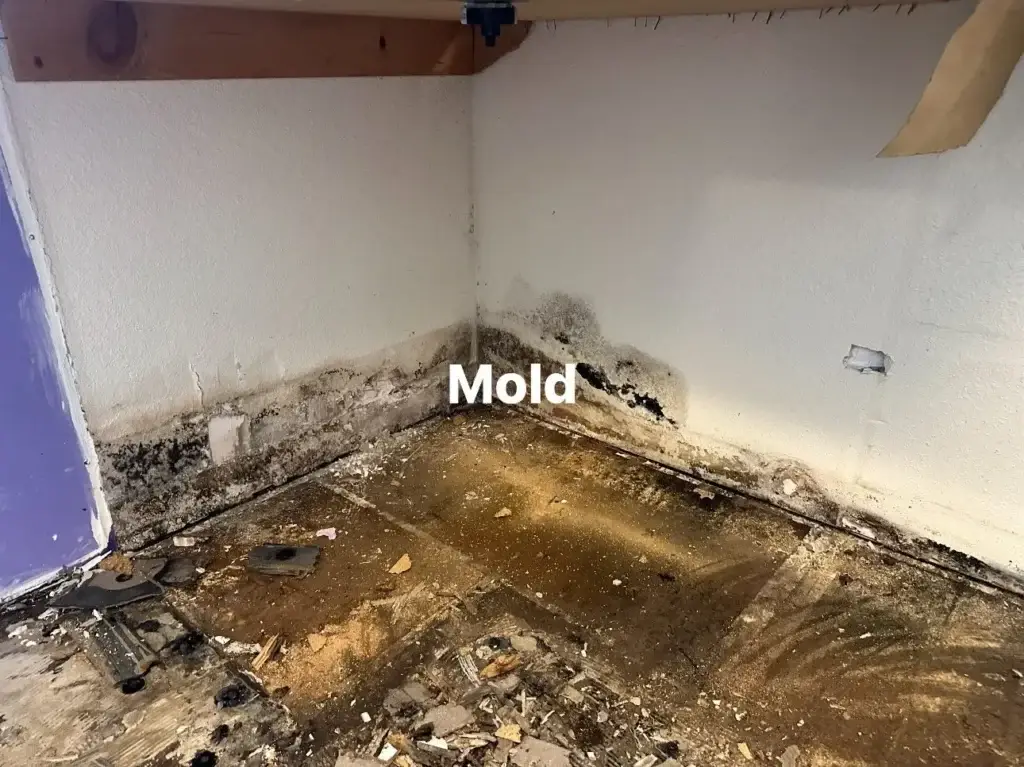
Reports typically include documented findings, lab results from sampled air and surfaces, and clear remediation recommendations addressing both removal and prevention.
- Findings Documentation: Areas affected and observed conditions.
- Laboratory Analysis Results: Sample results showing types and concentrations.
- Recommendations for Remediation: Practical next steps to remove mold and prevent recurrence.
What Factors Influence Mold Inspection Cost and Value?
Cost and value depend on inspection complexity, local market rates, and the provider’s reputation and warranties. Higher-quality firms may charge more but deliver better, guaranteed outcomes.
- Service Complexity: More testing and invasive checks raise costs.
- Regional Variations: Local economies affect price.
- Quality of Service: Guarantees and thorough protocols add value.
How Is Mold Inspection Pricing Determined?
Pricing reflects contamination extent, testing level, and service range—basic assessments cost less than inspections with laboratory analyses and advanced protocols.
- Extent of Contamination: Larger problems need deeper analysis.
- Differentiation of Service Types: Basic vs advanced testing changes price.
- Testing Requirements: Specialized tests increase costs.
Are Free Estimates Available for Mold Testing Services?
Many companies offer free preliminary estimates to help homeowners plan, though final quotes may change after a full assessment. Contact local professionals, including VIP Restoration Inc, for detailed proposals.
How Do Mold Inspection and Remediation Companies Work Together?
Effective mold management requires close coordination: inspectors document scope and hand findings to remediation teams, who then implement targeted removal and prevention. Clear, timely communication ensures a complete resolution. For more, visit VIP Restoration Services.
What Are the Next Steps After a Positive Mold Inspection?
After a positive report, promptly engage remediation specialists, agree a remediation plan, and fix the moisture source to prevent recurrence.
- Engage Remediation Companies: Contact experts to plan removal.
- Develop Remediation Plans: Agree scope, containment, and timeline.
- Address Moisture Sources: Repair leaks or ventilation issues to stop regrowth.
Why Choose Local Companies Offering Both Inspection and Restoration?
A local firm that inspects and remediates reduces handoffs, improves communication, and brings regional knowledge of building practices and environmental conditions. Learn more on the About Us page.
Frequently Asked Questions
How can I tell if a mold inspection company is reputable?
Check verified client reviews, confirm certifications (for example, IICRC and EPA alignment), and ask for references; a reputable provider explains procedures and offers documented guarantees when appropriate.
What should I expect during a mold inspection?
Expect a visual survey, targeted air or surface sampling if needed, moisture evaluation, and a written report with findings, lab results, and recommended next steps.
Are there any health risks associated with mold exposure?
Yes. Mold can trigger respiratory symptoms, allergies, and skin irritation, especially in people with asthma, allergies, or weakened immune systems; prompt professional remediation reduces these risks.
What is the typical timeline for mold remediation after inspection?
Work often begins within days to a week after diagnosis; remediation can take from a few days to several weeks depending on severity and repairs required.
Is it possible to DIY mold inspection and remediation?
Minor cleaning is possible, but certified professionals are recommended for full inspection and remediation because they have proper instruments, training, and protocols to prevent recurrence.
Can I perform a mold inspection myself before hiring a professional?
You can do an initial visual check for visible growth, musty odours, and water damage, but comprehensive assessments require specialised testing and expertise.
What should I look for in a mold remediation contract?
Ensure the contract states a clear scope of work, containment and removal procedures, timeline, cost breakdowns, warranty terms, and required health and safety measures.
Conclusion
Engaging a certified local mold inspection company protects your home and occupants. Understand certifications, service options, and likely costs, and contact local professionals for a tailored assessment—consider VIP Restoration Services for combined inspection and remediation support.