Identifying Signs That Require Professional Mold Inspection
Mold in residential and commercial properties can cause health problems and structural deterioration. Recognising the signs that warrant a professional mold inspection helps protect occupants and the building fabric. Early identification lets property owners address risks effectively. This article summarises common indicators of mold growth, the value of professional assessments, and practical detection steps. Engaging qualified firms such as VIP Restoration Inc provides clear guidance for managing mold issues.
Signs Indicating Mold Growth:
Timely detection reduces harm. Common signs that should prompt an inspection include:
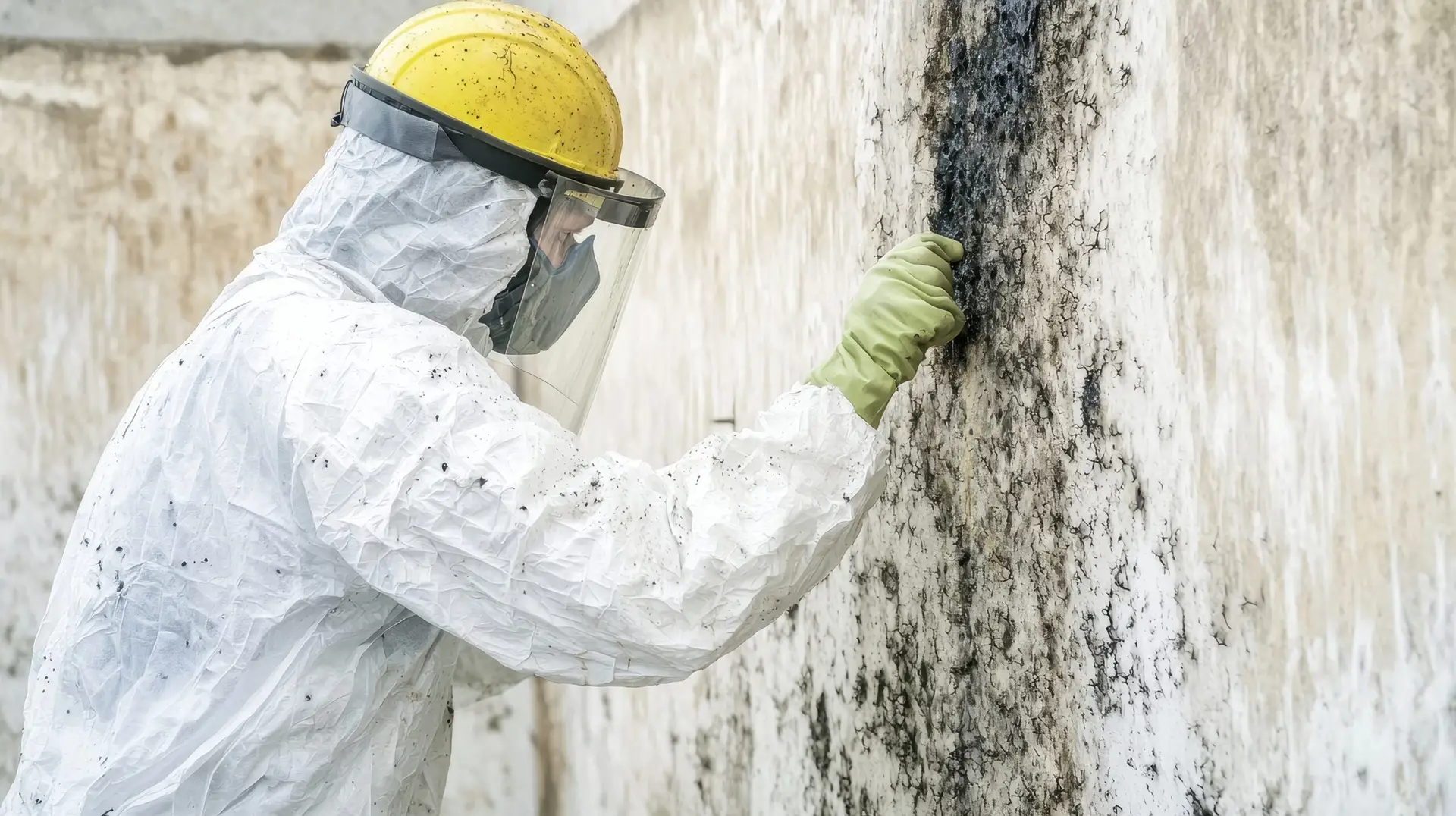
- Visible Patches of Mold: Any visible growth, of any color, signals a moisture problem requiring attention.
- Musty Odors: Persistent earthy or moldy smells often indicate hidden growth.
- Water Stains on Walls and Ceilings: Discoloration or staining suggests water intrusion that can lead to mold.
- Increased Allergies or Respiratory Issues: New or worsening symptoms among occupants can point to indoor contamination.
When these indicators appear, schedule a professional inspection to identify extent, source and remediation needs.
Importance of Professional Evaluations:
Certified assessors perform systematic evaluations to locate contamination, determine causes and recommend remediation. Professionals combine technical testing with practical advice to protect health and property. Key benefits include:
Health Risks:
Mold exposure can trigger allergies and respiratory conditions and may worsen symptoms in vulnerable people. Professional assessment helps protect occupants by identifying risks and advising mitigation.
Property Safety:
Mold damages building materials and can require costly repairs if untreated. Inspections establish contamination extent and inform remediation to preserve structural integrity. For remediation details, see their restoration process.
Comprehensive Assessment:
Inspectors use moisture meters, infrared imaging and air sampling to find hidden problems that DIY checks may miss. Many providers also offer emergency response and estimates to clarify scope and costs. VIP Restoration Inc includes these services to guide owners on next steps.
Peace of Mind:
Professional inspections confirm whether mold is present, how extensive it is, and what remediation is required, giving occupants a clear plan and reassurance.
How Can You Detect Visible Mold and Odors Early?
Early detection limits spread and simplifies remediation. Routine checks should include:
- Visual Inspections in Moisture-Prone Areas: Regularly check bathrooms, kitchens, basements and areas around windows and doors.
- Use of Moisture Meters: These reveal elevated moisture in materials before visible growth appears.
- Monitoring Humidity Levels: Keep indoor humidity low (generally under 60%) and use dehumidifiers in damp spaces.
Consistent monitoring enables faster response and prevents larger infestations.
What Are Key Symptoms of Indoor Mold Exposure That Signal Inspection?
Health signs that should prompt a mold inspection include:
- Respiratory Problems: New or worsening breathing difficulties, persistent cough or wheeze.
- Increased Allergies: More frequent sneezing, watery eyes or sinus symptoms.
- Frequent Illnesses: Recurrent colds or flu-like symptoms that don’t resolve.
If occupants show these symptoms, arrange a mould inspection to determine whether environmental factors are contributing and to identify remedial actions.
How Do Professional Mold Inspections Differ from DIY Testing Methods?
Professional inspections differ from home test kits in scope, accuracy and safety:
- Tools Used by Professionals vs. DIY: Professionals use advanced instruments (moisture meters, infrared cameras, calibrated air samplers) that provide more precise data than typical DIY tests.
- Accuracy of Detection: Trained inspectors locate hidden mold behind walls and in complex structures; DIY kits are limited in scope.
- Safety and Risk Management: Professionals follow protocols to minimise exposure and cross-contamination; DIY sampling can increase health risks if handled incorrectly.
For concealed or extensive contamination, professional assessment is generally more reliable than home kits.
What Advanced Mold Testing Services and Tools Do Experts Use?
Experts use targeted methods to establish contamination levels and locate sources, which supports effective remediation:
- Moisture Meters: Measure moisture in materials to identify high-risk areas.
- Infrared Cameras: Reveal temperature anomalies that suggest hidden moisture behind surfaces.
- Air Sampling Devices: Quantify airborne spore levels to inform risk and remediation planning.
Combined data from these tools informs targeted remediation and reduces the chance of overlooked contamination.
Why Is Professional Mold Assessment More Reliable Than Home Testing Kits?
Professional assessments combine training, controlled sampling and systematic testing that home kits usually lack:
- Training and Expertise: Professionals can recognise different contamination patterns and interpret results in context.
- Comprehensive Reporting: Formal reports document findings, recommended actions and health considerations.
- Safety During Inspection: Professionals take precautions to reduce exposure and prevent spread during evaluation.
These advantages produce clearer guidance for remediation and risk management.
What Are the Costs and Factors Affecting Professional Mold Inspection Services?
Inspection costs vary. Common factors to consider are:
- Extent of Contamination: Larger or complex infestations cost more to assess.
- Location-Specific Pricing: Local market conditions affect fees.
- Scope of Work Considerations: Additional services (air quality testing, extensive sampling) increase cost.
Request detailed estimates so you can budget appropriately and identify any potential insurance support.
Which Elements Influence Mold Inspection Cost and Frequency?
Key variables that affect cost and recommended inspection frequency include:
- Size of the Affected Area: Larger areas require more time and resources.
- Type of Services Needed: Specialized testing adds to the inspection scope.
- Insurance Coverage Impact: Some policies may cover inspection fees—check your policy.
Discuss these elements with your provider to set an appropriate schedule.
How Do Emergency Mold Inspection Services Support Property Damage Cases?
Emergency services offer rapid assessment and initial containment to limit spread and damage. Typical emergency actions include:
- Rapid Response Protocols: Fast mobilisation to assess urgent situations.
- Assessment and Containment Actions: Immediate steps to isolate affected areas and prevent cross-contamination.
- Long-term Remediation Strategy: A plan developed from on-site findings to resolve the issue fully.
Emergency inspections reduce further damage and support planned remediation.
When Should You Contact Mold Remediation Experts Following an Inspection?
Call remediation experts when inspection findings show active contamination, when occupants report health symptoms that may relate to mold, or after major water events that raise risk. Typical triggers include:
- Presence of Mold Growth: Visible mold found during inspection.
- Reported Health Symptoms: Occupant illnesses potentially linked to indoor contamination.
- Response After Significant Water Damage: Flooding or major leaks that increase mold risk.
These criteria help prioritise remediation to protect health and property value.
What Does the Mold Remediation Process Involve After Inspection?
Remediation follows inspection and focuses on containment, removal and verification to restore safe conditions:
- Initial Assessment and Containment: Isolate affected spaces to prevent spread.
- Mold Removal Techniques: Physical removal, cleaning and approved treatments to eliminate growth.
- Post-Remediation Follow-Up: Verify removal and confirm conditions are safe before reoccupying.
Knowing these stages clarifies time and resource needs for full resolution.
How Does Early Professional Intervention Minimize Health Risks and Property Damage?
Prompt intervention limits spread, reduces repair costs and improves health outcomes:
- Reduced Risk of Contamination Spread: Early containment prevents larger infestations.
- Cost Savings on Repairs: Addressing mold early typically lowers repair scope and expense.
- Improved Health Outcomes: Faster remediation reduces exposure and associated health effects.
For professional assessment and remediation, consider contacting VIP Restoration Inc.
Frequently Asked Questions
What are the long-term health effects of mold exposure?
Prolonged exposure can lead to persistent respiratory problems, skin irritation, fatigue and headaches, especially in people with pre-existing conditions. If symptoms persist and may relate to indoor mould, seek professional evaluation and remediation.
How can I prepare for a professional mold inspection?
Note visible mould and musty odours, clear access to moisture-prone areas, and document any past water damage and occupant symptoms to help the inspector prioritise testing.
How often should mold inspections be conducted?
Annual inspections are suitable for most properties, with additional checks after major water events. Properties in humid areas or with prior water intrusion may need more frequent reviews.
Can mold grow in places that are not immediately visible?
Yes. Hidden growth commonly occurs behind walls, under flooring or inside HVAC systems. Professionals use specialised tools to detect moisture and contamination in these areas.
What should I do if I find mold between inspections?
Avoid disturbing the area to limit spore release and contact a professional remediation service promptly. An assessor will determine the extent of contamination and advise next steps.
How does air quality affect mold growth in a home?
High humidity and poor ventilation favour mold growth. Improve ventilation, use dehumidifiers where needed, and monitor moisture-prone spaces to reduce the risk.
What should homeowners do after mold has been removed?
Ensure affected areas are cleaned and fully dried, implement preventive measures such as better ventilation and humidity control, and inspect previously impacted locations regularly. Moisture barriers can help prevent recurrence.
Conclusion
Identifying mold early and engaging professional inspectors are key to protecting health and preserving property. Prioritising prompt evaluation and remediation reduces long-term risks and repair costs. To arrange a comprehensive inspection and receive professional guidance, contact VIP Restoration Inc for a formal assessment of your property’s condition.