Understanding the Health Risks of Mold Exposure: Symptoms, Effects, and Remediation Benefits
Mold exposure carries health risks that vary by person. Microscopic spores can trigger allergic and respiratory reactions. This article summarizes common symptoms, possible long-term effects, and how professional mold remediation reduces risks and prevents recurrence, with prevention tips for moisture-prone spaces.
Benefits of Professional Mold Remediation
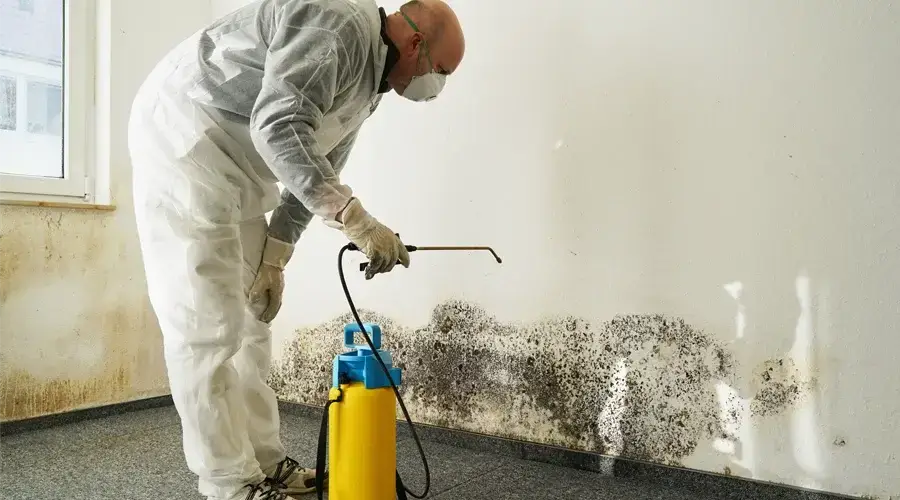
Professional mold remediation removes visible growth and addresses root causes to prevent return.
Certified teams limit occupant exposure to spores and mycotoxins, protect building integrity, and reduce costly repairs and downtime. To learn more about our restoration process , visit our website.
| Benefit | Description | Impact Level |
|---|---|---|
| Health Protection | Reduces exposure to harmful mold spores | High |
| Property Preservation | Prevents structural damage and costly repairs | High |
| Minimized Downtime | Efficient remediation processes reduce disruption | Medium |
How Does Mold Allergy Affect Respiratory Health?
Mold allergy can impair breathing and daily activity: inhaled spores commonly cause sneezing, coughing, and nasal congestion, often worse in people with asthma.
Longer exposure may worsen symptoms and lead to chronic respiratory problems. For concerns, contact us today.
What Are the Signs of Toxic Mold Exposure?
Early identification helps prompt treatment. Common signs include:
- Respiratory Problems : Persistent coughing, wheezing, and difficulty breathing.
- Skin Irritation : Rashes or hives after contact with mold.
- Neurological Symptoms : Headaches, memory loss, and mood swings in severe cases.
Evidence links toxic mold to neurological effects in children.
Neurological Impact of Toxic Mold Exposure on Children
indicating significant neurological deficits in all the patients. Our findings revealed the extent to which toxic molds can affect the neurological and behavioral status of
Neurophysiological effects of chronic indoor environmental toxic mold exposure on children, 2003
Early recognition leads to medical evaluation and remediation.
How Does Mold Exposure Impact Overall Health?
Mold exposure affects overall health, especially in people with weakened immune systems. Immediate effects include headaches, fatigue and respiratory distress; sustained exposure can contribute to chronic conditions and increased use of healthcare services.
Those with asthma or allergies may see worsened symptoms and greater medication needs. At VIP Restoration Inc, we provide professional mold remediation to address these risks.
What Are the Health Risks of Mold Poisoning?
Toxic mold can cause serious effects. Possible symptoms include:
- Respiratory Issues : Chronic cough, shortness of breath, and asthma attacks.
- Neurological Effects : Cognitive difficulties, memory loss, and mood changes.
- Immune System Suppression : Increased susceptibility to infections and illnesses.
Prompt remediation is essential.
How Does Mold Exposure Contribute to Respiratory Illnesses?
Mold releases allergens and irritants that can trigger asthma attacks and allergic responses.
Children and older adults are often more affected and may face long-term respiratory consequences. Recognising this link supports prevention and remediation.
What Are the Health Benefits of Professional Mold Removal?
Professional remediation brings measurable benefits:
- Improved Indoor Air Quality : Effective removal of mold spores enhances overall air quality.
- Reduction of Allergens : Professional remediation minimizes the presence of allergens that can trigger respiratory issues.
- Overall Well-Being : A mold-free environment contributes to better physical and mental health.
Prioritizing professional removal helps create healthier homes.
How Does Mold Remediation Improve Indoor Air Quality?
Remediation improves indoor air quality through standard steps:
- Assessment and Containment : Professionals assess the extent of growth and contain affected areas to limit spread.
- Removal and Restoration : Mold is removed with specialized techniques; damaged materials are restored or replaced.
- Post-Remediation Testing : Follow-up testing verifies improved air quality and safe mold levels.
These steps restore safer environments and lower exposure risks.
Why Choose Certified Mold Remediation Experts in Sacramento?
Certified experts like VIP Restoration Inc have the training and experience to manage mold safely.
They follow best practices and can assist with insurance coordination to ease the remediation process.
How Can You Prevent Mold-Related Health Risks in Your Property?
Prevent mold risks with proactive measures:
- Regular Inspections : Check damp areas regularly for signs of growth.
- Moisture Control : Fix leaks and reduce humidity promptly.
- Ventilation : Provide adequate ventilation in bathrooms, kitchens, and other damp spaces.
These steps reduce mold-related health risks.
What Are Effective Mold Inspection and Testing Methods?
Accurate inspection and testing identify contamination and guide remediation.
- Visual Inspections : Trained professionals examine likely problem areas.
- Air Sampling : Measures spore levels to assess indoor air quality.
- Surface Testing : Identifies species present on materials and surfaces.
Results inform targeted remediation plans.
Which Local Factors Increase Mold Growth Risks in Sacramento?
Sacramento’s local conditions raise mold risk:
- Heavy Rainfall : Seasonal rains can lead to water accumulation and growth.
- Water Damage Incidents : Flooding or leaks create ideal conditions for mold.
- Moisture Problems : High humidity in some areas can exacerbate growth.
Knowing these factors helps tailor prevention.
Frequently Asked Questions
What are the long-term health effects of mold exposure?
Prolonged exposure may lead to chronic respiratory disorders (such as asthma or bronchitis), neurological symptoms, and weakened immunity. People with underlying conditions are at higher risk. Prompt remediation reduces these long-term effects.
How can I identify mold in my home?
Look for discoloration, persistent musty odors, or damp spots. Use moisture meters or professional air and surface testing when hidden mold is suspected.
What should I do if I find mold in my home?
Do not disturb the growth. Contain the area, fix the moisture source, and contact a certified remediation professional for safe removal.
Are there DIY methods for mold removal?
Small mold on non-porous surfaces can be cleaned with vinegar or a detergent while using protective equipment. Large or porous infestations require professional remediation.
How often should I have my home inspected for mold?
Inspect at least annually and after heavy rain, flooding, or known water damage; inspect more often in humid homes.
What are the costs associated with professional mold remediation?
Costs vary by scope; a typical range is $500 to $6,000. Obtain multiple estimates and weigh long-term health and property benefits.
Can mold exposure affect pets?
Yes. Pets can cough, sneeze, or develop skin irritation; vulnerable animals may be more affected. Consult a veterinarian and address household mold promptly.
Health Risks of Mold: Symptoms, Long-Term Effects & Solutions
Professional remediation removes growth, lowers recurrence risk, and improves air quality and occupant health. Take proactive steps to manage moisture and consult certified experts for remediation.