
Commercial Mold Inspection: Clear Guidance and Professional Services
Regular mold inspections protect employees, customers, and your property. Mold can cause respiratory and other health issues and, if unchecked, damage building materials and operations. This article explains why inspections matter, how a commercial inspection is performed, remediation options, and how costs and insurance commonly affect the process—a practical checklist to keep your workplace safe and operational.
Why Is Mold Inspection Critical for Commercial Properties?
Inspections reduce health risk, liability, and operational disruption. Finding moisture and mold early limits repair costs, prevents long downtime, and helps you meet health and safety expectations for staff and customers.
What Are the Health and Safety Risks of Mold in Businesses?
Mold affects people differently; some groups are more vulnerable. Common concerns include:
- Respiratory Problems: Spores can trigger asthma, coughing, sneezing, and other breathing issues.
- Skin Irritation: Contact with moldy surfaces can cause rashes or irritation for some.
- Long-term Effects: Ongoing exposure in poorly controlled environments can worsen chronic respiratory conditions.
Prioritize inspections and timely remediation to protect occupant health and limit liability.
Research increasingly points to indoor mold exposure as an occupational health concern in certain commercial settings.
Indoor Mold Health Risks in Commercial Settings
The possible health risks of indoor mold exposure in the workplace, and the health effects of indoor airborne exposure to mold, are a growing concern, particularly in settings like day-care centers as an occupational health care issue.
Adverse health effects of indoor molds, M Stark, 2004
How Prevalent Is Mold Contamination in Sacramento Commercial Buildings?
Mold is common in Sacramento after heavy rain or where buildings had water damage, but precise local percentages vary and are not always documented. Mold typically follows moisture problems—leaks, poor ventilation, or condensation—so routine inspections, especially after wet seasons, are important.
What Is the Step-by-Step Process of Commercial Mold Inspection?
Commercial inspections follow a clear, practical sequence to produce actionable results.
- Initial Assessment: A visual walk-through checks for visible mold, water stains, moisture sources, and structural vulnerabilities.
- Mold Testing: Targeted tests (air samples, surface swabs, or bulk samples) are used when confirmation or species identification is needed.
- Reporting Findings: You receive a concise report summarizing findings, likely causes, and recommended remediation and prevention steps.
Which Techniques Are Used in Commercial Mold Testing?
Common testing methods help characterize contamination and guide remediation:
- Air Sampling: Compares indoor spore counts to outdoor baselines.
- Surface Testing: Swabs or tape lifts identify species and contamination on suspect surfaces.
- Bulk Sampling: Small material samples from affected building components are analyzed in a lab when needed.
Inspectors choose tests based on visible signs, building use, and occupant complaints.
For more detail on specific testing approaches, see the referenced resource below.
Commercial Mold Testing Methods & Techniques
This article describes mold source testing types and methods, including a technique used to test surfaces for mold during a mold inspection, typically collected over a specified area.
TESTING FOR MOLD GROWTH, J Barrett, 2024
How Do Experts Evaluate and Report Mold Presence?
Inspectors combine observations and lab results to produce a clear, usable picture. A typical report will include:
- Findings: Locations of contamination and identified mold types (when available).
- Recommendations: Containment, removal, cleaning, and moisture repairs tailored to the site.
- Follow-up Actions: Verification steps and preventive measures to reduce recurrence.
Clear reporting helps owners plan repairs, inform tenants, and document actions for insurance or compliance.
What Are the Available Mold Remediation and Restoration Options for Businesses?
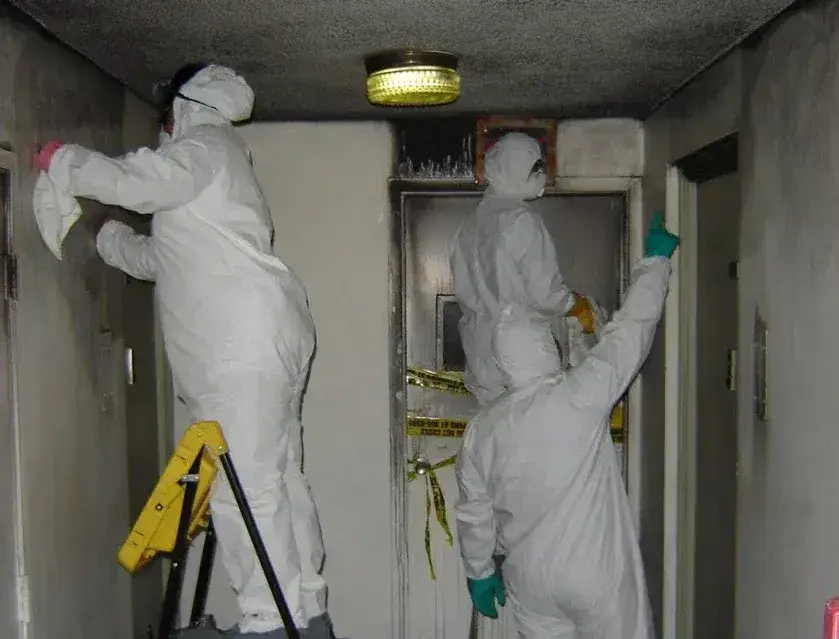
Remediation removes contamination and addresses moisture sources. The chosen approach depends on the problem’s size and severity.
- Professional Remediation Services: Licensed teams contain affected areas, remove contaminated materials safely, and correct moisture sources to prevent recurrence.
- DIY Remediation: Small, non-porous surface mold can sometimes be cleaned in-house, but this risks missing hidden contamination and exposing staff.
- Preventive Measures: Controlling humidity, repairing leaks, and improving ventilation are essential to prevent future growth.
How Does Business Mold Remediation Restore Property Safety?
Professional remediation removes contaminated materials, cleans affected areas, and fixes moisture problems. The result is improved indoor air quality, restored building integrity, and reduced risk of recurring mold.
When Is Emergency Mold Response Necessary?
Call for emergency response when issues threaten health or cause major damage. Look for:
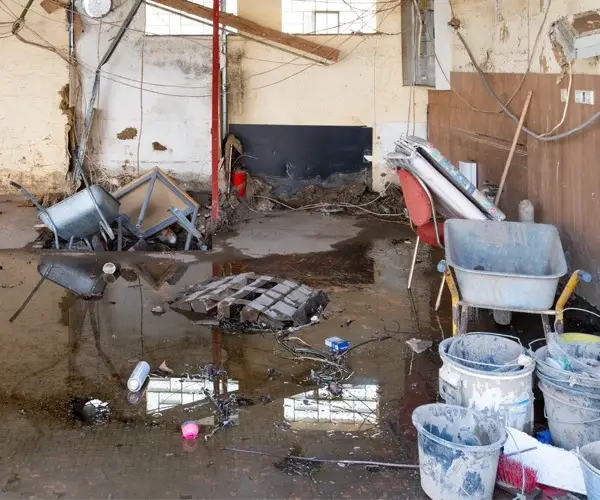
- Severe Water Damage: Major floods or large leaks that saturate materials.
- Visible Mold Growth: Rapidly spreading or extensive mold on walls, ceilings, or HVAC systems.
- Health Symptoms: Multiple occupants experiencing breathing problems or other symptoms potentially linked to mold.
In urgent cases, contacting a professional restoration service can provide fast assessment and a free estimate.
How Do Cost and Insurance Affect Mold Inspection Services for Businesses?
Inspection and remediation costs vary. Understanding the main drivers helps you budget and choose appropriate services.
What Factors Influence Commercial Mold Inspection Pricing?
Typical cost drivers include:
- Property Size: Larger sites require more time to inspect and test.
- Extent of Contamination: Widespread or hidden mold increases sampling and remediation effort.
- Location-Specific Pricing: Local labor and market rates affect total costs.
Does Insurance Typically Cover Mold Assessment and Remediation?
Coverage varies. Some commercial policies cover mold when it follows a covered peril (for example, a sudden pipe burst); others exclude mold or limit payouts. Document inspection results and repairs carefully when filing a claim, and review policy terms before beginning work.
Understanding your commercial policy details is important when pursuing mold-related claims.
Commercial Mold Insurance Coverage & CGL Policies
This figure illustrates the challenges faced by businesses seeking to clean up a mold-infested commercial building. Policy provisions to avoid coverage for mold-related claims are common, making it crucial for business owners to understand their commercial general liability (CGL) policies.
General Liability Insurance Coverage for Mold Claims, 2004
Regular inspections, prompt remediation, and clear documentation limit health risks and control costs. When unsure, hire a certified inspector to evaluate the situation and recommend practical next steps.
To learn more about our company and the team behind these services, visit our about page.
If you want the full walkthrough of how we work, see our restoration process for step-by-step details.
For professional mold inspection services, contact us today to schedule an assessment.
Frequently Asked Questions
What are the signs that indicate a mold problem in a commercial property?
Visible mold, musty odors, water stains or discoloration, persistent condensation, or high humidity are common signs. Multiple reports of respiratory irritation can indicate a hidden issue. Early detection reduces remediation scope and cost.
How often should businesses conduct mold inspections?
At minimum, schedule an annual inspection. Increase frequency for locations with prior water damage, high humidity, or ongoing leaks, and inspect promptly after major weather events or flooding.
What should businesses do if mold is found during an inspection?
Follow the inspector’s recommendations: isolate the area, remove or replace contaminated materials as needed, fix the moisture source, document actions for insurance, and schedule follow-up verification after remediation.
Can mold inspections be performed during business hours?
Yes. Inspectors typically work around your schedule to minimize disruption. For extensive testing or remediation, off-hours work may be recommended to keep operations running safely.
What are the long-term benefits of regular mold inspections for businesses?
Regular inspections help preserve indoor air quality, protect employee health, avoid costly structural repairs, and minimize business interruptions. Proactive maintenance also supports tenant confidence and reputation.
Are there any DIY methods for mold inspection?
Basic visual checks and moisture meters can spot damp areas, but DIY methods do not replace professional testing. Certified inspectors use air sampling and lab analysis to identify mold types and concentrations—information often needed for remediation and insurance claims.
Conclusion
Keeping your commercial property free of mold starts with routine inspections, prompt remediation, and fixing moisture sources. If you suspect mold or want a preventive check, schedule a professional inspection to protect occupants and preserve property value. Explore our services to find the right solution for your site.